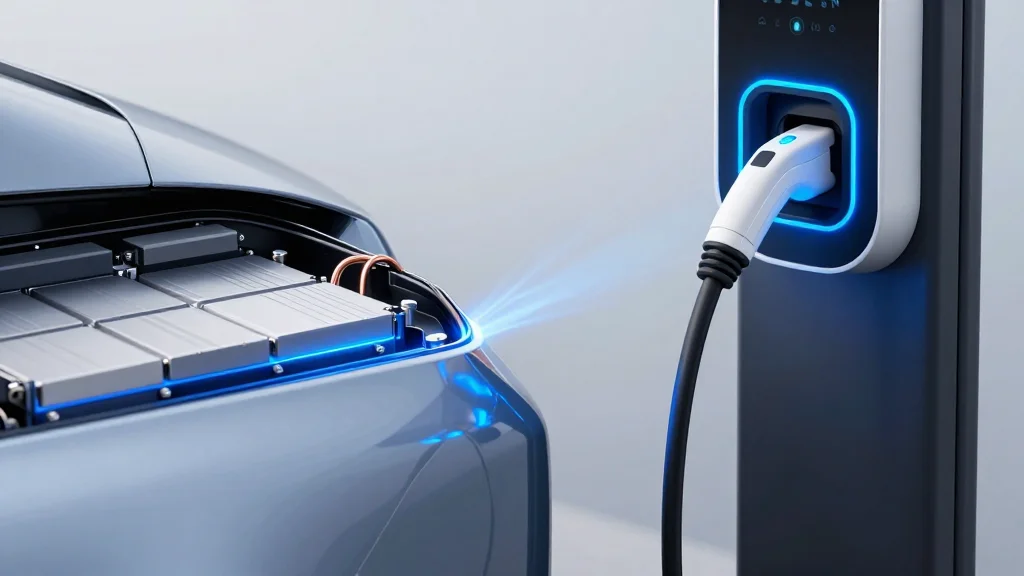
BYD Top Scientist Says 9-Minute Flash Charging Won't Damage Battery Life
Key Takeaways
- •9‑minute flash charge delivers 1,500 kW power
- •1,000 full flash‑charging cycles passed durability tests
- •70 °C temperature no longer a safety limit
- •20,000 flash‑charging stations slated by end‑2026
- •Battery‑capacity bottlenecks temporarily curb deliveries
Pulse Analysis
BYD’s flash‑charging breakthrough addresses a long‑standing pain point for electric‑vehicle owners: long recharge times. By leveraging a second‑generation Blade Battery with advanced thermal‑management and electrochemical design, the system can inject 1,500 kW of power, pushing a vehicle from 10 % to 97 % state‑of‑charge in just nine minutes. The technology’s resilience was proven through 1,000 full‑cycle stress tests and performance validation at –30 °C, demonstrating that even under extreme heat the battery temperature peaks at 70 °C without structural damage. This data challenges conventional wisdom that high‑current charging inevitably degrades lithium‑iron‑phosphate cells.
The commercial implications are significant. BYD’s plan to deploy 20,000 flash‑charging stations across China by the close of 2026 aims to provide 5‑kilometer coverage for 90 % of urban populations, effectively creating a dense high‑power charging network. Such infrastructure could reshape consumer expectations, making ultra‑fast charging as commonplace as refueling a gasoline car. Competitors lacking comparable electrochemical expertise may find it difficult to match BYD’s speed‑to‑market, potentially consolidating BYD’s leadership in the premium EV segment.
However, the rollout is not without challenges. The rapid integration of flash‑charging platforms has strained battery supply, leading to short‑term capacity shortfalls and a dip in delivery volumes for models like the Denza N9. BYD’s chairman Wang Chuanfu expects these issues to resolve as production ramps up, but the episode underscores the importance of aligning battery manufacturing capacity with infrastructure expansion. If BYD can smooth this supply‑demand curve, the flash‑charging ecosystem could become a catalyst for broader EV adoption, prompting automakers worldwide to rethink charging standards and battery design.
BYD top scientist says 9-minute flash charging won't damage battery life
Comments
Want to join the conversation?