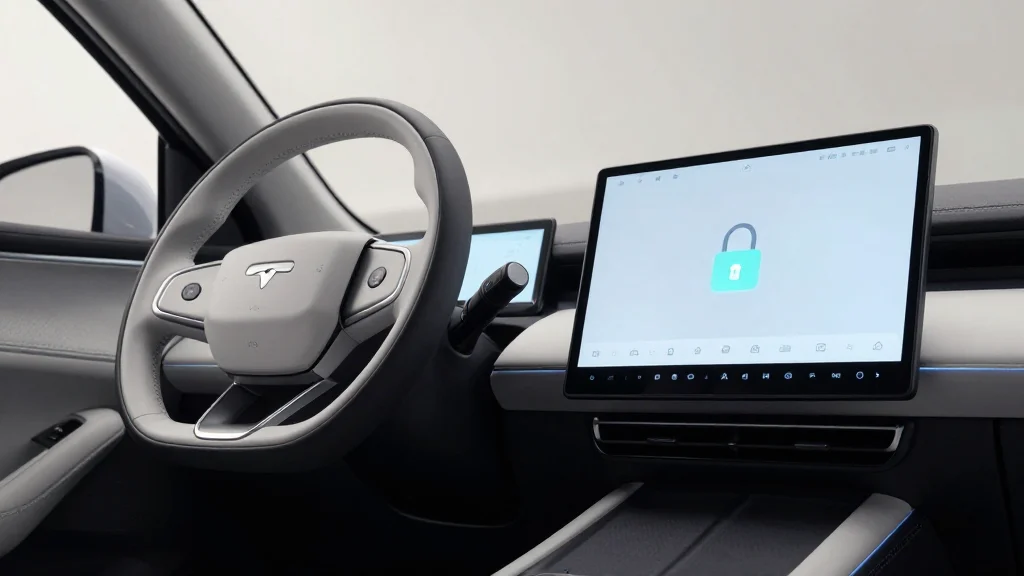
Car Buyers Don't Like Subscriptions. Car Companies Are Pushing Them For Driver-Assistance Tech Anyway.
Companies Mentioned
Why It Matters
The shift to software‑based subscriptions reshapes automakers’ revenue streams and tests buyer willingness to pay beyond the initial vehicle purchase, influencing future profitability and brand loyalty.
Key Takeaways
- •Tesla’s Full Self‑Driving costs $99 per month
- •GM earned $235 M from Super Cruise subscriptions in 2025
- •Consumers cite subscription fatigue across automotive and media services
- •Current systems are Level 2, limiting perceived value of paid features
Pulse Analysis
The automotive sector is rapidly adopting a Silicon‑Valley‑style subscription model, turning features that once came standard with a vehicle into recurring revenue streams. Tesla pioneered the approach with its $99‑per‑month Full Self‑Driving plan, and rivals quickly followed: Rivian’s $49.99 hands‑free package, GM’s tiered Super Cruise at $20‑$40, Ford’s $49.99 BlueCruise, and Lucid’s upcoming $69‑$199 tiers. By monetizing software updates and driver‑assistance capabilities, manufacturers aim to extend the profit life of each car well after the showroom sale.
However, the strategy collides with growing consumer subscription fatigue. Buyers already juggle recurring costs for entertainment, food delivery, and even basic household items, and many feel short‑changed when premium vehicle functions are withheld behind a paywall. Past missteps—such as BMW’s heated‑seat fees and Mercedes‑Benz’s performance‑boost subscriptions—have sparked backlash, reinforcing the perception that automakers are nickel‑and‑diming owners. This sentiment threatens brand equity, especially as the market evaluates whether the convenience of Level 2 assistance justifies ongoing fees.
Despite the pushback, the financial upside is evident. General Motors logged $235 million from Super Cruise subscribers in 2025, with a target of $400 million in 2026, indicating a sizable appetite for paid autonomy when the value proposition aligns. As manufacturers race toward Level 4, fully hands‑off driving slated for the late 2020s, the subscription model could become a cornerstone of automotive profitability. Companies that balance compelling, future‑proofed features with transparent pricing are likely to capture the most recurring revenue while maintaining consumer trust.
Car Buyers Don't Like Subscriptions. Car Companies Are Pushing Them For Driver-Assistance Tech Anyway.
Comments
Want to join the conversation?
Loading comments...