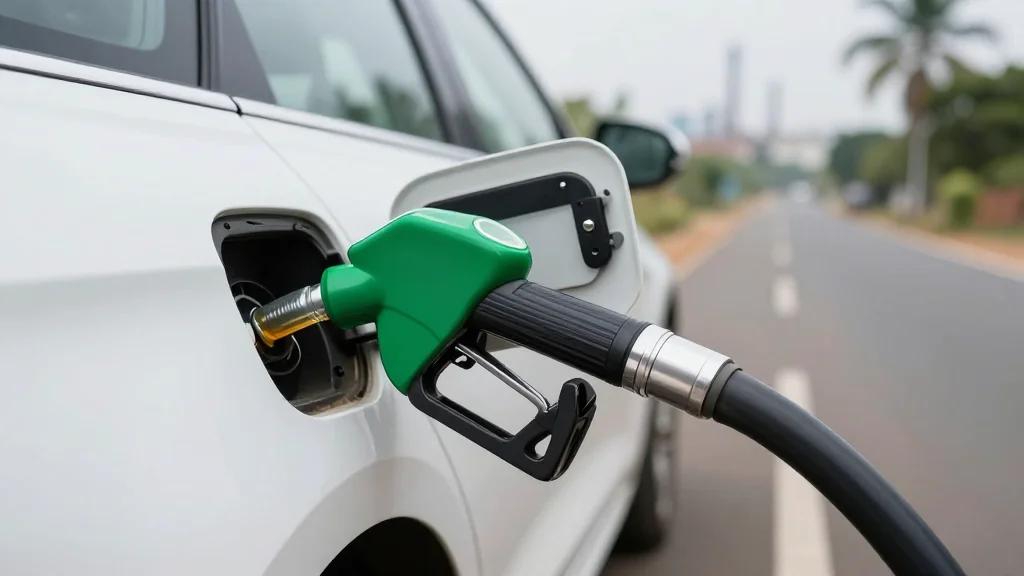
Centre Working on Flex-Fuel Vehicle Policy Amid West Asia Supply Concerns
Why It Matters
The move could reduce India’s oil import bill and strengthen energy security amid geopolitical volatility. It also creates new market opportunities for automakers, fuel producers, and infrastructure developers.
Key Takeaways
- •India aims to introduce flex‑fuel vehicles to reduce fuel imports
- •Targeting 100% ethanol blending, policy faces mileage concerns at higher blends
- •CNG and CBG station applications surged, with 157 licences granted
- •Petronet LNG adds 5 mtpa capacity, total now 22.5 mtpa
- •Stakeholder consultations aim to align automakers and oil marketers
Pulse Analysis
The Indian government’s push for flex‑fuel vehicles reflects a strategic response to supply shocks from the ongoing West Asia conflict. By integrating higher ethanol blends into the fuel mix, policymakers hope to curb crude oil imports and move toward energy self‑reliance. The current 20% ethanol blend serves as a baseline, but officials like Joint Secretary Sujata Sharma envision a future where 100% ethanol‑blended petrol becomes the norm, leveraging domestic agricultural output to offset volatile global markets.
Implementing a flex‑fuel ecosystem, however, faces technical and commercial hurdles. Higher ethanol concentrations have been linked to reduced vehicle mileage, prompting resistance from automakers wary of consumer backlash. To mitigate these concerns, the Ministry of Petroleum and Natural Gas is convening stakeholders—including vehicle manufacturers and oil marketing companies—to develop standards and ensure fuel compatibility. Simultaneously, the government is fast‑tracking approvals for CNG and CBG dispensing stations, with 157 licences already granted, to diversify the fuel portfolio and provide consumers with viable alternatives.
Beyond ethanol, India is bolstering its liquefied natural gas infrastructure, granting Petronet LNG permission to add 5 million tonnes per annum at the Dahej terminal, raising total regasification capacity to 22.5 mtpa. This expansion, coupled with the surge in CNG/CBG projects, signals a broader commitment to a multi‑fuel strategy that reduces reliance on imported oil. For investors and industry players, the policy trajectory promises new revenue streams in vehicle engineering, fuel distribution, and renewable energy services, while reinforcing the nation’s resilience against future geopolitical disruptions.
Centre working on flex-fuel vehicle policy amid West Asia supply concerns
Comments
Want to join the conversation?
Loading comments...