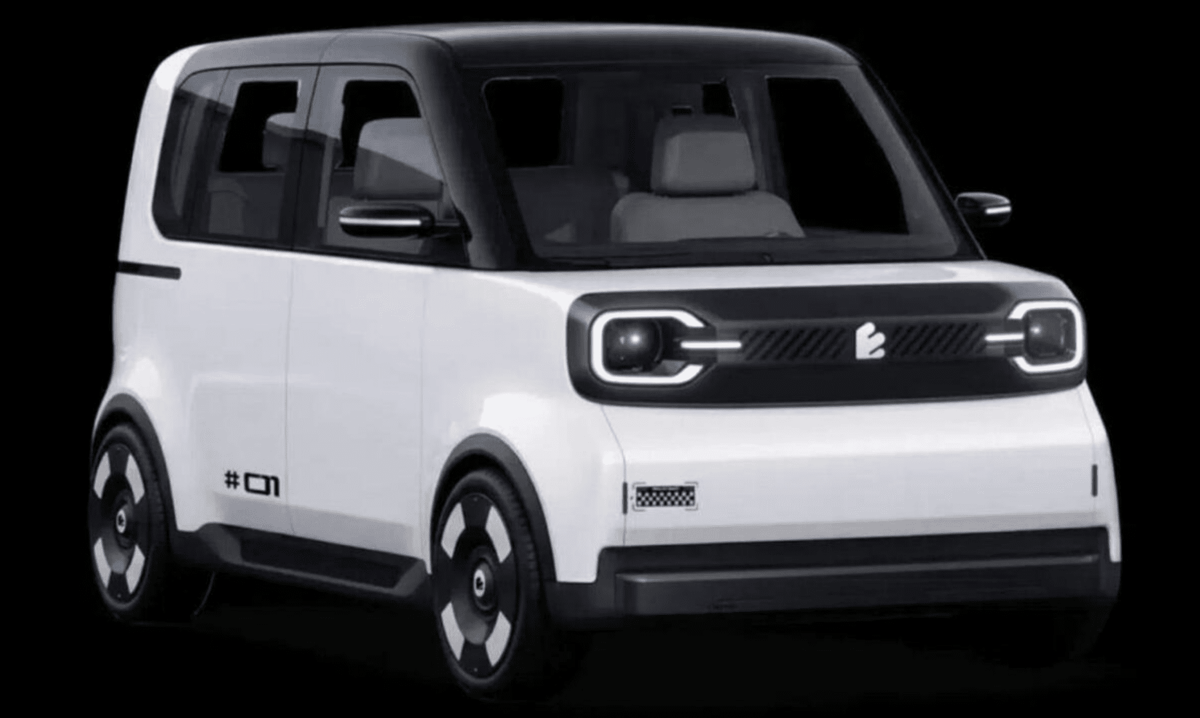
Chery Follows BYD Into Japan with Kei EV Exclusive
Why It Matters
Breaking into Japan’s tightly‑controlled kei segment gives Chery a foothold in the world’s third‑largest auto market, and its local‑brand strategy could set a template for other Chinese OEMs facing consumer bias and restrictive subsidies.
Key Takeaways
- •Chery launches Emta brand via Singapore JV for Japanese kei EVs 2027
- •JV stakes: Chery/Yueda 27.27% each; Autobacs/Gotion 18.18% each; Anest 9.09%
- •First model on QQ Ice Cream platform, produced at Yueda’s Yancheng plant
- •Autobacs handles retail, masking Chery’s Chinese origin from Japanese buyers
- •Japan’s subsidies favor domestic firms; Chery bets local branding to offset bias
Pulse Analysis
The Japanese kei‑car segment, limited to 3.4 metres and 660 kg, accounts for roughly one‑third of the country’s annual vehicle sales and is dominated by home‑grown marques such as Honda, Nissan and Daihatsu. Because the category has lagged in battery‑electric offerings, it presents a rare opening for foreign manufacturers that can meet strict size, cost and range requirements. Chery’s decision to launch the Emta brand through a Singapore‑registered joint venture reflects a calculated effort to bypass the political sensitivities that have hampered other Chinese entrants, while still tapping the lucrative domestic demand for ultra‑compact EVs.
The Electric Mobility Technologies JV brings together five stakeholders: Chery and Jiangsu Yueda each hold 27.27 percent, Japanese retailer Autobacs Seven and Chinese battery supplier Gotion own 18.18 percent each, and industrial firm Anest contributes the remaining 9.09 percent. The first Emta model will ride on Chery’s QQ Ice Cream platform, with Gotion supplying the battery pack and production slated for Yueda’s Yancheng facility, which already assembles Kia models. By delegating sales to Autobacs’s extensive dealer network, Chery sidesteps the costly rollout that BYD undertook when it built 69 outlets from scratch, hoping the local brand façade will soften consumer resistance.
If the 2027 launch gains traction, Chery could demonstrate that a discreet Chinese identity combined with local partnerships can overcome Japan’s entrenched brand loyalty and a subsidy regime that currently favors domestic players. Success would encourage other Chinese OEMs to adopt similar joint‑venture structures, potentially accelerating the electrification of the kei segment and reshaping competition for the nation’s auto giants. Conversely, a weak market response would reinforce the notion that even a well‑funded, globally present manufacturer cannot easily displace the trust built by Japanese firms over decades.
Chery follows BYD into Japan with kei EV exclusive
Comments
Want to join the conversation?
Loading comments...