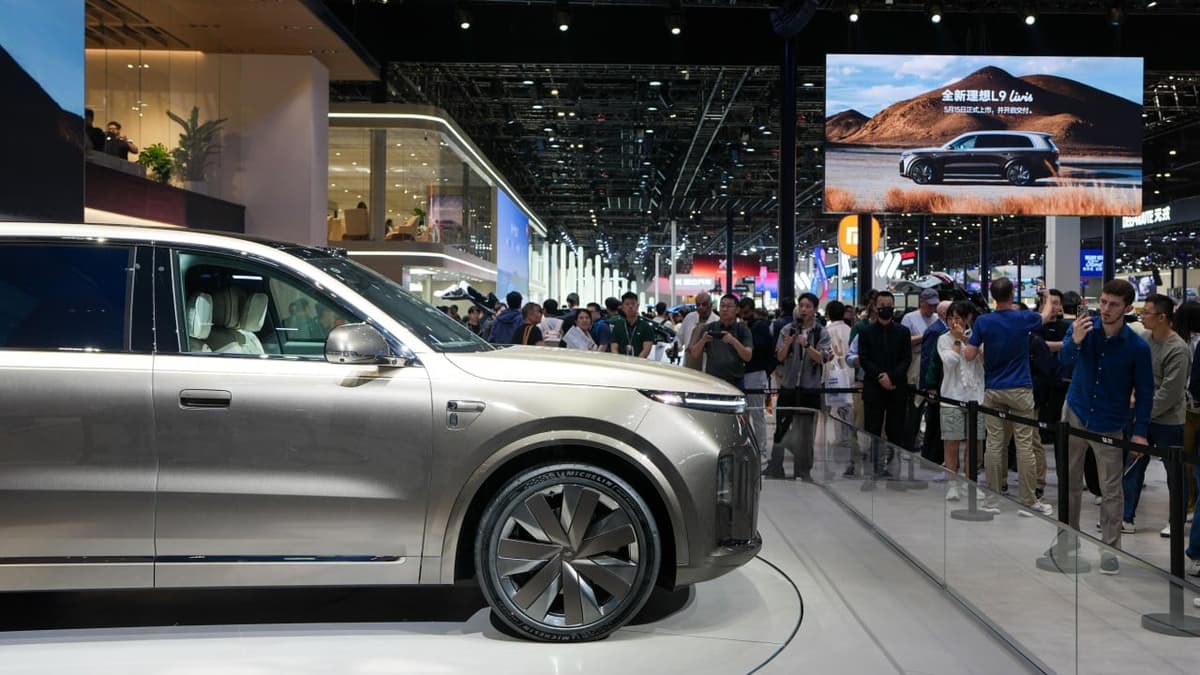
China Unveils Auto Industry Blueprint to Set EV, AI Vehicle and Semiconductor Standards
Why It Matters
By dictating the technical rules for EVs, AI driving and chips, China can steer global supply chains and give its domestic manufacturers a regulatory edge, reshaping competition in the worldwide auto market.
Key Takeaways
- •Blueprint targets AI, EV, chip, battery standards by 2025‑2030
- •China aims to lead ~50 international automotive standards
- •Domestic production hits 34.5 M units; exports 6.41 M units
- •Plan pushes China’s influence in UN automotive rule‑making
Pulse Analysis
China’s auto sector has become a strategic pillar of its industrial policy, and the new standards blueprint underscores that ambition. With production topping 34.5 million vehicles in 2025, the country not only dominates volume but also controls a rapidly expanding ecosystem of EV batteries, semiconductor chips and AI software. By codifying safety, testing and cybersecurity requirements, the government aims to reduce fragmentation, accelerate innovation, and protect consumers as sophisticated driver‑assistance systems move from premium models to mass‑market cars. This regulatory push aligns with the broader 15th Five‑Year Plan goal of turning China into a global technology standards hub.
The blueprint’s focus on AI and autonomous‑driving standards is particularly consequential. It mandates rigorous validation of machine‑learning models, data‑security protocols and functional‑safety metrics, which could become de‑facto benchmarks for multinational OEMs seeking market access. Simultaneously, the emphasis on automotive‑grade chips and solid‑state battery safety addresses supply‑chain bottlenecks that have plagued the industry since 2020. By setting clear technical criteria, Chinese manufacturers can streamline component sourcing, while foreign suppliers may need to adapt to Chinese‑specific certification processes, potentially reshaping global semiconductor and battery markets.
Beyond domestic impact, the plan signals Beijing’s intent to export its regulatory influence. By deepening involvement in UN automotive committees and championing new international standards, China hopes to embed its technical specifications into global rule‑making bodies. This could tilt future trade negotiations, affect certification costs for foreign automakers, and give Chinese firms a competitive advantage in overseas markets. For investors and industry watchers, the blueprint marks a decisive step toward a more standardized, yet China‑centric, automotive future.
China unveils auto industry blueprint to set EV, AI vehicle and semiconductor standards
Comments
Want to join the conversation?
Loading comments...