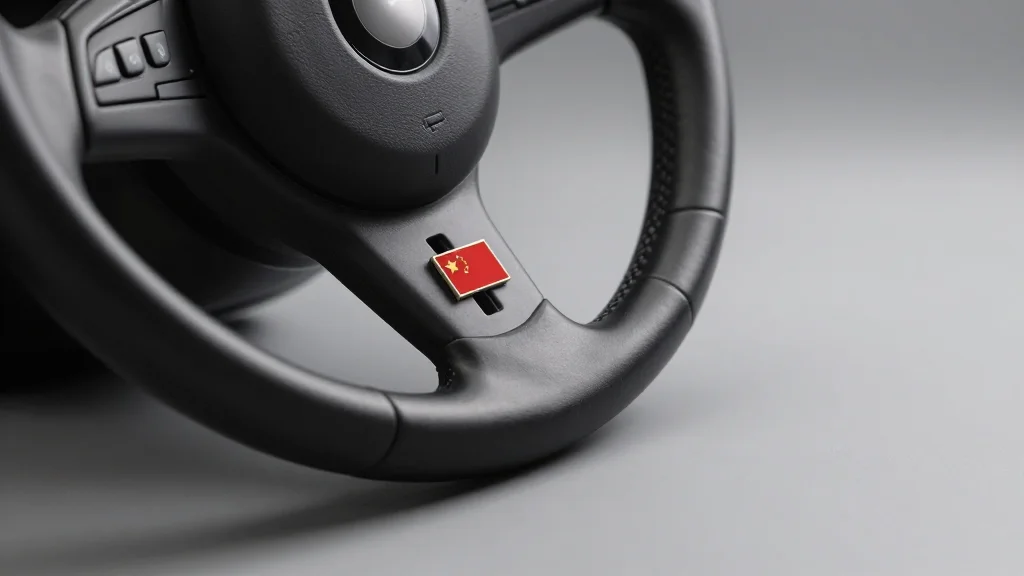
China’s Cars Aren’t in the U.S., but Its Auto Parts Are Everywhere
Why It Matters
The extensive Chinese ownership of U.S. auto parts suppliers creates strategic dependencies that could affect national security, trade negotiations, and supply‑chain resilience for American automakers.
Key Takeaways
- •Chinese firms own stakes in ~10,000 U.S. auto suppliers.
- •Over 60 U.S. parts makers are directly controlled by Chinese companies.
- •Investments include airbags, glass, and steering system manufacturers.
- •Stakes as low as 5% give China influence across supply chain.
- •Dependency raises national security and trade policy concerns.
Pulse Analysis
While Chinese‑branded vehicles remain a rarity on American streets, the country’s auto industry is increasingly interwoven with Chinese capital. AlixPartners’ research shows that Chinese entities have accumulated ownership in about 10,000 U.S. parts suppliers, with more than 60 firms under direct Chinese control. These stakes span critical components such as airbags, automotive glass, and steering systems—parts that are essential to vehicle safety and performance. Even minority holdings as low as five percent grant Chinese investors a foothold in the supply chain, allowing them to influence product standards, pricing, and technology transfer.
The strategic implications are profound. U.S. automakers now rely on components that may be subject to foreign policy shifts, export controls, or geopolitical tensions. A disruption—whether from trade disputes, sanctions, or heightened security scrutiny—could reverberate through assembly lines, potentially delaying production and increasing costs. Policymakers are therefore weighing the balance between open markets and the need to safeguard critical infrastructure, prompting discussions about tighter disclosure requirements and possible limits on foreign ownership in high‑risk sectors.
Looking ahead, the industry faces a crossroads. Some manufacturers may diversify their supplier base to reduce reliance on Chinese‑linked parts, investing in domestic or allied‑nation sources. Others might double down on the cost advantages offered by Chinese partnerships, especially as electric‑vehicle components become more complex. The evolving regulatory landscape, combined with growing scrutiny of supply‑chain security, will shape how U.S. automakers navigate this delicate balance between efficiency and resilience.
China’s Cars Aren’t in the U.S., but Its Auto Parts Are Everywhere
Comments
Want to join the conversation?
Loading comments...