Chinese Automakers Lead HEV Competition Upgrade: From Mechanical Technology to System Capabilities
Companies Mentioned
Why It Matters
The breakthrough demonstrates that Chinese manufacturers can now compete on technology, not just price, reshaping the hybrid market and accelerating their global expansion. It signals a new era where system‑level innovation drives fuel efficiency, performance, and intelligent vehicle behavior.
Key Takeaways
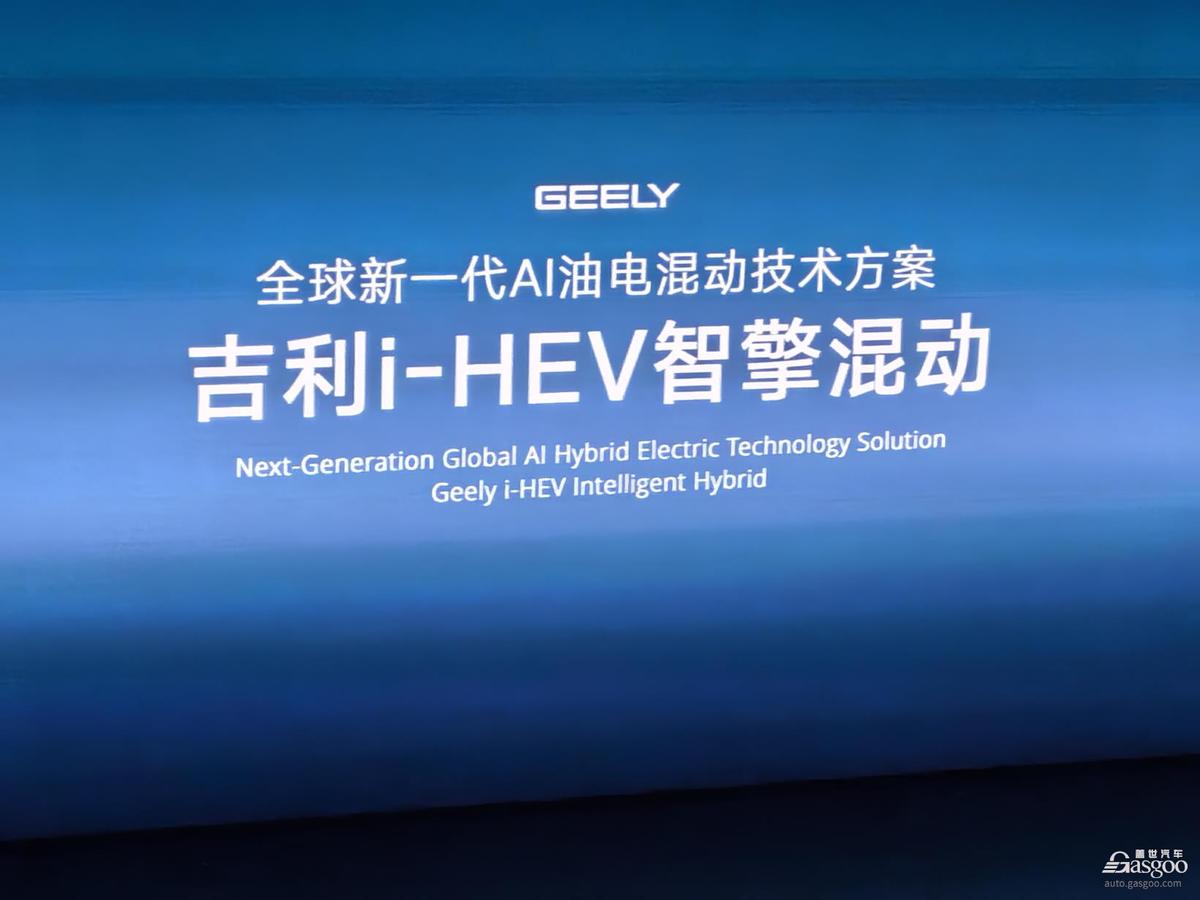
- •Geely's i-HEV engine reaches 48.41% thermal efficiency.
- •AI integration adds smart control to the hybrid system.
- •Chinese firms prioritize system integration over pure mechanical gains.
- •GAC and Great Wall launch next-gen hybrid platforms.
- •Global push forces Chinese brands to match Japanese hybrid expertise.
Pulse Analysis
The hybrid vehicle segment has long been defined by Japanese pioneers Toyota and Honda, whose mechanically mature architectures set the benchmark for fuel economy and reliability. Geely’s recent i-HEV debut disrupts this status quo by delivering a thermal efficiency that rivals the best-in-class engines while embedding artificial intelligence for adaptive power management. This blend of high‑efficiency hardware and software intelligence reflects a broader industry transition toward holistic powertrain solutions rather than isolated component upgrades.
China’s automotive ecosystem now offers a unique advantage: a densely integrated supply chain, aggressive R&D cycles, and government support for electrification. By synchronizing engine design, electric motor output, electronic control units, and energy‑management algorithms, firms like GAC and Great Wall Motor can iterate prototypes faster than many overseas rivals. The result is a new generation of hybrids that promise not only lower fuel consumption but also enhanced driving dynamics and scenario‑aware performance, meeting consumer expectations for both efficiency and power.
The strategic implications are profound. As Chinese brands sharpen their technical credentials, they are better positioned to export these platforms to emerging markets and even mature regions where Japanese hybrids currently dominate. Success will depend on translating system‑level innovation into reliable, cost‑competitive products that can meet stringent global regulations. If Chinese automakers sustain this momentum, the next decade could see a rebalancing of hybrid leadership, with China emerging as a credible challenger to the Japanese legacy in both technology and market share.
Chinese Automakers Lead HEV Competition Upgrade: From Mechanical Technology to System Capabilities
Comments
Want to join the conversation?
Loading comments...