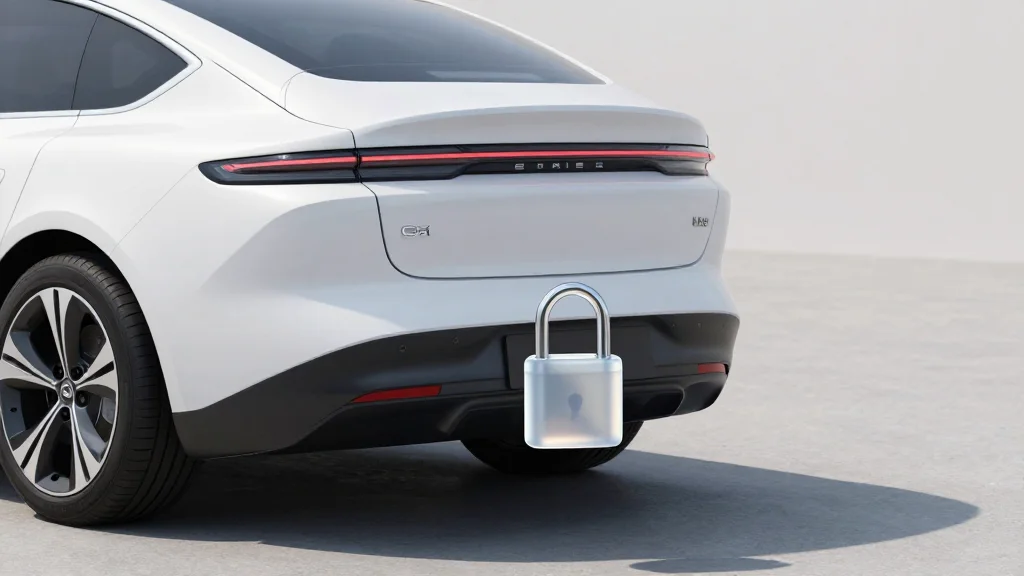
Chinese EV Makers Deny Being Summoned by Regulators over Battery Capacity Locking
Key Takeaways
- •BYD, Xpeng, Nio reject regulator summons over battery‑locking
- •Rumors traced to AI‑generated lists circulating on social media
- •Companies plan legal action to protect brand reputation
- •OTA updates can limit range, prompting consumer complaints
- •Chinese regulators have not published an official list of firms
Pulse Analysis
The controversy around "battery‑locking" reflects a broader tension between automakers’ software agility and consumer expectations for consistent vehicle performance. Over‑the‑air updates can unlock new features, but they also allow manufacturers to remotely limit charge capacity or power output, a practice that sparked complaints from owners of vehicles worth roughly $29,400 after a recent update. Chinese regulators have signaled a willingness to intervene, yet the lack of an official list of investigated firms leaves the market in a state of uncertainty, prompting companies to defend their practices aggressively.
Compounding the issue is the rapid spread of misinformation via AI‑generated lists on social platforms. These fabricated documents named high‑profile players such as BYD, Xpeng, Nio, Tesla and GAC Aion, inflaming public concern and threatening brand reputations. The affected firms responded in unison, denouncing the rumors and pledging legal recourse. This coordinated backlash illustrates how AI tools can amplify false narratives, forcing corporations to allocate resources toward reputation management and legal defense rather than product development.
For investors and industry observers, the episode underscores the importance of firmware transparency and regulatory clarity in China’s electric‑vehicle market, which now accounts for over half of global EV sales. As authorities tighten oversight, manufacturers may need to adopt more open update policies, provide clearer consumer consent mechanisms, and establish third‑party verification of software changes. Such steps could mitigate future disputes, preserve consumer confidence, and align China’s EV sector with emerging international standards on digital vehicle safety.
Chinese EV makers deny being summoned by regulators over battery capacity locking
Comments
Want to join the conversation?