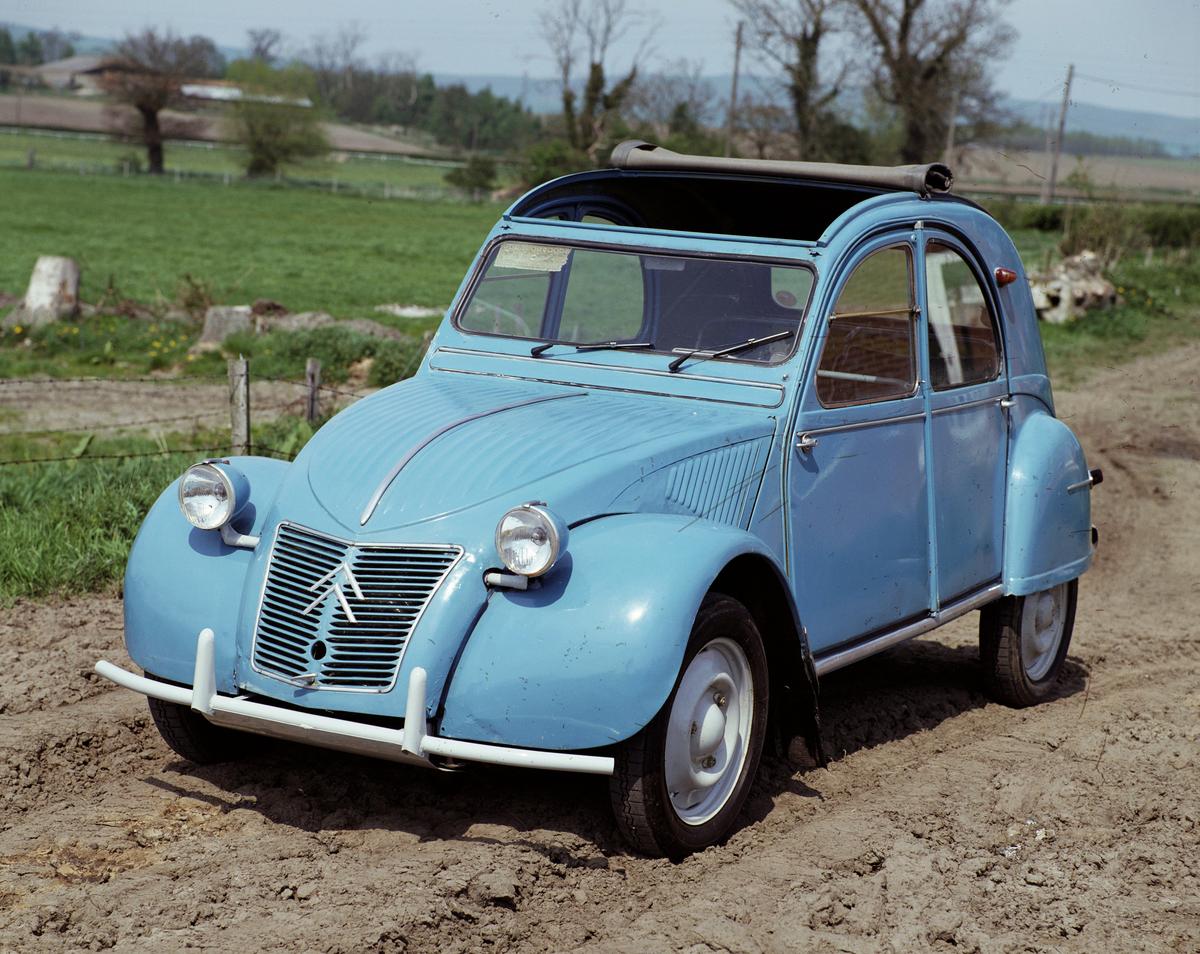
Citroën Wants to Revive the Spirit of the 2CV With a New $18,000 EV
Companies Mentioned
Why It Matters
An $18,000 EV could make electric mobility attainable for a broader European audience, forcing competitors to expand budget‑friendly line‑ups and accelerating the continent’s shift toward lower‑emission transport.
Key Takeaways
- •Citroën plans subcompact EV priced around $18,000.
- •Target addresses 60% affordability gap in post‑COVID European market.
- •New model inspired by 2CV’s minimalist, people‑car ethos.
- •Launch aims to revive mass‑market EV adoption in Europe.
Pulse Analysis
The Citroën 2CV remains a cultural touchstone for affordable, utilitarian transport, a legacy the French automaker hopes to translate into the electric era. Post‑World‑War II Europe needed a simple, inexpensive car, and the original 2CV delivered that with its minimalist design and low purchase price. Today, a similar need resurfaces as European consumers grapple with high vehicle costs and stringent emissions targets. By invoking the 2CV’s ethos, Citroën positions its upcoming EV as a modern "people’s car," emphasizing practicality over luxury.
Pricing the new EV at roughly $18,000 directly confronts the affordability barrier highlighted by recent surveys: about sixty percent of potential buyers cite price as the primary obstacle to new‑car purchases. In a market where most new models exceed €15,000 ($17,500), Citroën’s low‑cost offering could carve out a niche for budget‑conscious shoppers and fleet operators. The subcompact format also aligns with urban mobility trends, delivering a compact footprint suitable for dense European cities while meeting EU emissions standards. Competitors such as Renault, Volkswagen, and Stellantis are already rolling out entry‑level electric models, but few have committed to a price point this low, giving Citroën a potential first‑mover advantage.
If successful, the vehicle could reshape the European EV landscape by proving that mass‑market electric cars can be both affordable and desirable. A surge in low‑price EVs would likely stimulate broader consumer adoption, accelerate the phase‑out of internal‑combustion vehicles, and pressure regulators to adjust incentives toward volume‑based, not premium‑only, programs. For Citroën, the project also serves as a brand‑reinforcement exercise, linking its historic identity with future‑forward sustainability. The rollout timeline—targeting a rapid market entry—will be critical, as timing could determine whether the model captures the post‑pandemic demand surge or cedes ground to faster‑moving rivals.
Citroën Wants to Revive the Spirit of the 2CV With a New $18,000 EV
Comments
Want to join the conversation?
Loading comments...