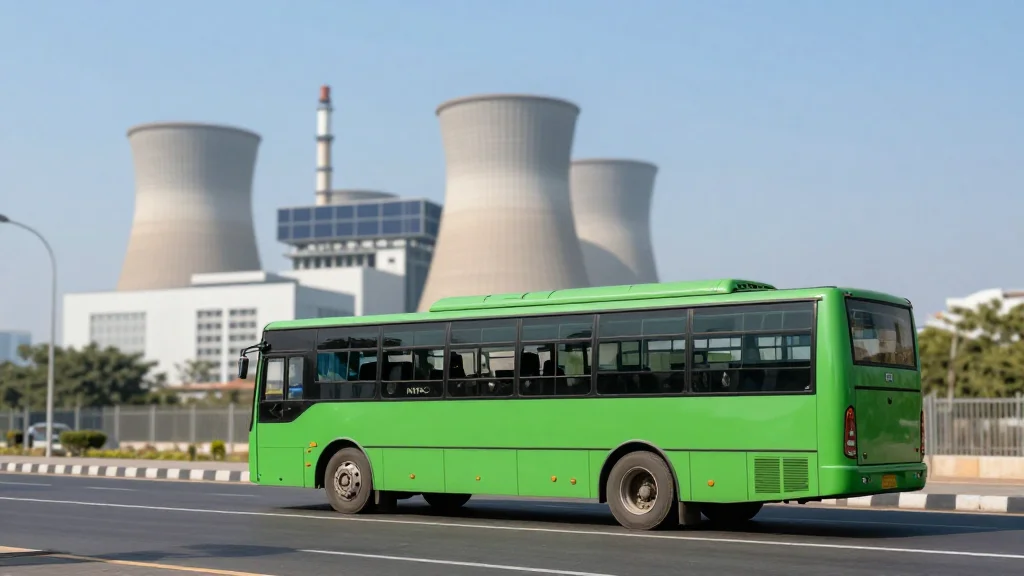
Delhi Government Plans to Operate Two Hydrogen Fuel Buses in Tie-Up with NTPC: Delhi Minister
Companies Mentioned
Why It Matters
Introducing hydrogen buses positions Delhi as a leader in zero‑emission urban mobility, potentially accelerating adoption of clean‑fuel technology across Indian cities. The partnership also showcases how corporate CSR can fund sustainable infrastructure, reducing fiscal pressure on municipal budgets.
Key Takeaways
- •Delhi to run two hydrogen fuel‑cell buses under DTC‑NTPC partnership
- •NTPC supplies buses via CSR, covering costs above ₹45/km (~$0.54)
- •Buses will operate under Gross Cost Contract model, DTC handles ops
- •Initiative showcases zero‑emission technology in Delhi’s public transport network
- •Project supports Delhi’s clean‑mobility targets and air‑quality improvement
Pulse Analysis
Hydrogen fuel‑cell buses are emerging as a viable alternative to diesel and electric fleets, offering rapid refueling and longer range without tailpipe emissions. In a city where traffic congestion and air‑quality concerns are chronic, Delhi’s transport authority is experimenting with the technology to diversify its clean‑mobility portfolio. The pilot aligns with India’s National Hydrogen Mission, which targets 5 GW of electrolyzer capacity by 2030, and reflects a broader shift among megacities toward low‑carbon public transit solutions.
The two‑bus rollout is being financed through a novel public‑private arrangement. NTPC Limited, a state‑run power generator, will donate the hydrogen‑powered vehicles under its corporate social responsibility (CSR) program, while the Delhi Transport Corporation (DTC) will operate them under a Gross Cost Contract (GCC) model. DTC will pay the approved rate of ₹45 per kilometre—roughly $0.54—covering routine expenses, and NTPC will absorb any costs that exceed this threshold. This cost‑sharing structure reduces fiscal exposure for the municipal body and demonstrates how CSR can catalyze sustainable infrastructure.
If the pilot proves operationally reliable and financially sustainable, it could pave the way for a larger hydrogen fleet in the capital and inspire similar initiatives in other Indian cities. Scaling up would require expanding hydrogen production, storage, and refueling networks, areas where NTPC’s expertise in energy infrastructure could be leveraged. Successful adoption would also signal to vehicle manufacturers that demand for zero‑emission buses is growing, potentially accelerating domestic supply chains and lowering costs. Ultimately, the project could contribute to Delhi’s goal of cutting transport‑related emissions by 30 % by 2030.
Delhi government plans to operate two hydrogen fuel buses in tie-up with NTPC: Delhi minister
Comments
Want to join the conversation?
Loading comments...