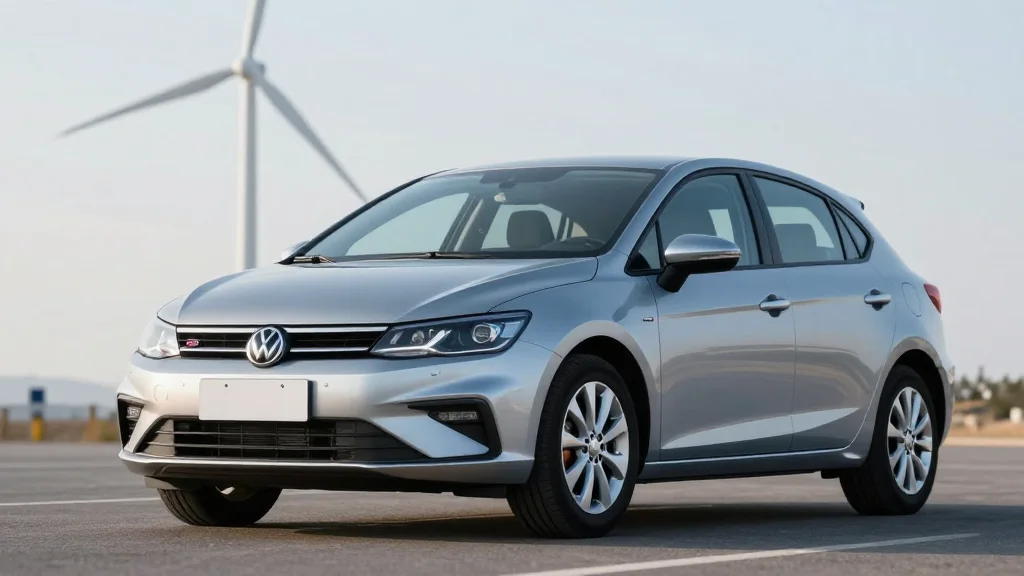
Electric Cars Drive Passenger Car Market in March 2026 in Germany: New Registrations of Fully Electric Vehicles up 66%
Why It Matters
The rapid EV uptake signals a decisive shift away from internal‑combustion cars, accelerating Germany’s transition to a low‑carbon mobility ecosystem and reshaping automaker strategies.
Key Takeaways
- •BEV registrations jumped 66% YoY in March 2026
- •Electric cars now 24% of March registrations
- •Combined BEV/PHEV share reached 34% of new cars
- •Gasoline car registrations fell 5% month‑over‑month
- •Additional working day boosted overall registration growth
Pulse Analysis
Germany’s March 2026 registration data underscores a pivotal moment for the nation’s automotive sector. While total new passenger‑car registrations rose 16% to 294,200, the surge was driven almost entirely by electric powertrains. BEVs alone accounted for 70,663 units, a 66.2% increase from March 2025, lifting their market share to 24.0%. Plug‑in hybrids contributed another 30,000 vehicles, pushing the combined electric share to 34.2% of all new registrations. This momentum reflects not only consumer appetite but also supportive policy frameworks, such as expanded charging infrastructure and fiscal incentives that have made EV ownership increasingly attractive.
For manufacturers, the data sends a clear signal: traditional internal‑combustion models are losing ground fast. Gasoline registrations slipped 4.9% to 66,959 units, and diesel fell 0.6% to 37,664 units, marking the first sustained contraction in Germany’s core market. Automakers with robust EV line‑ups, like Volkswagen and BMW, stand to capture a larger slice of the growing pie, while legacy players must accelerate electrification plans to remain competitive. Supply‑chain stakeholders are also feeling the ripple effect, as demand for batteries, power electronics, and software solutions intensifies, prompting investments in domestic production capacity.
Looking ahead, the trajectory suggests that electric vehicles could surpass conventional cars within the next few years, aligning with the European Union’s 2035 climate‑neutral vehicle target. However, challenges remain, including the need for a resilient charging network, raw‑material security for batteries, and consumer confidence in range and pricing. Continued regulatory support and industry collaboration will be essential to sustain the growth curve and achieve Germany’s broader emissions‑reduction goals.
Electric Cars Drive Passenger Car Market in March 2026 in Germany: New Registrations of Fully Electric Vehicles up 66%
Comments
Want to join the conversation?
Loading comments...