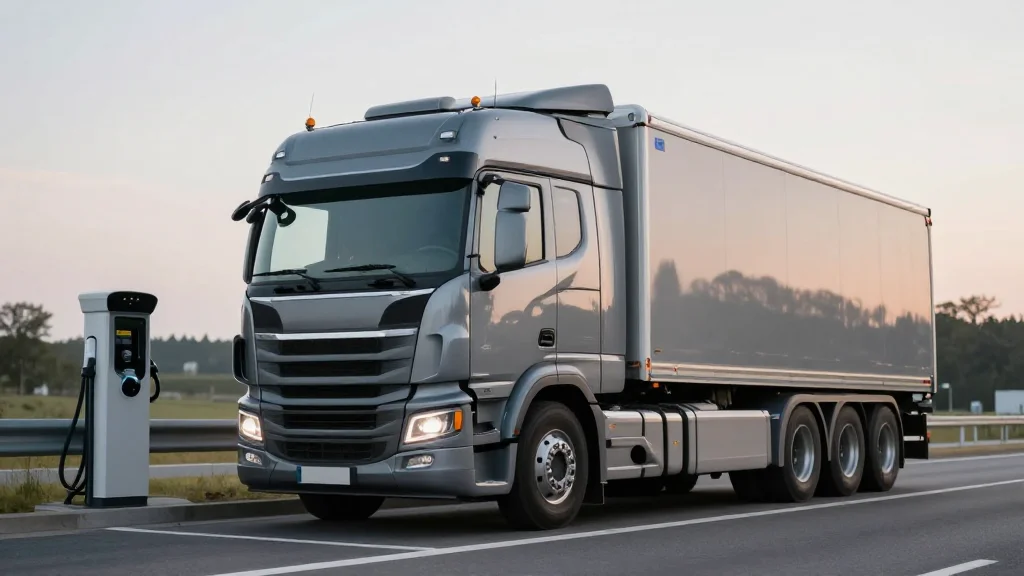
Electric Trucks Go Mainstream in Europe
Why It Matters
Accelerating the standards review could stall the transition to zero‑emission trucks, harming Europe’s climate goals and its automotive industry’s global standing. It also risks increasing the bloc’s dependence on fossil fuels.
Key Takeaways
- •EU CO₂ targets demand 43% emissions cut for trucks by 2030
- •Truckmakers request 2026 review, fearing insufficient ZET demand
- •Early standard revision could hurt EU competitiveness and increase oil reliance
- •Electric truck sales rising, but infrastructure still limited
Pulse Analysis
Europe’s heavy‑duty vehicle (HDV) emissions framework is at a crossroads. The 2024 legislation set a review for 2027, but manufacturers argue that the market lacks the necessary charging infrastructure, battery supply chains, and fleet‑owner incentives to meet the 43% cut by 2030. While the push for an earlier 2026 review reflects industry anxiety, analysts warn that premature tightening could force OEMs to delay investment in electric powertrains, preserving legacy diesel models and slowing the rollout of zero‑emission trucks (ZETs). This tension underscores the broader challenge of aligning regulatory ambition with realistic deployment timelines.
Electric truck adoption is gaining momentum, especially in the Netherlands, Norway, and Sweden, where supportive policies and subsidies have boosted sales. However, the broader EU still grapples with uneven charging networks, high upfront vehicle costs, and fragmented national incentives. Without a coordinated approach to expand fast‑charging corridors and standardize battery procurement, demand may fall short of the volumes needed to satisfy the CO₂ targets. The industry’s call for a 2026 review therefore reflects a genuine concern: regulators must ensure that the enabling conditions—grid capacity, financing mechanisms, and logistics‑sector buy‑in—are in place before tightening the rules.
Policymakers face a delicate balance. Accelerating the standards could signal strong climate commitment but risk undermining competitiveness if manufacturers are forced to retrofit or delay product launches. Conversely, maintaining the 2027 timeline allows time for infrastructure rollout, technology maturation, and market education, preserving Europe’s edge in the emerging electric‑truck segment. The outcome will shape not only emissions trajectories but also the EU’s strategic position in a global market increasingly dominated by North American and Asian electric‑vehicle players. Ensuring a synchronized policy‑industry effort is essential to avoid a resurgence of oil dependency and to cement Europe’s automotive future.
Electric Trucks Go Mainstream in Europe
Comments
Want to join the conversation?
Loading comments...