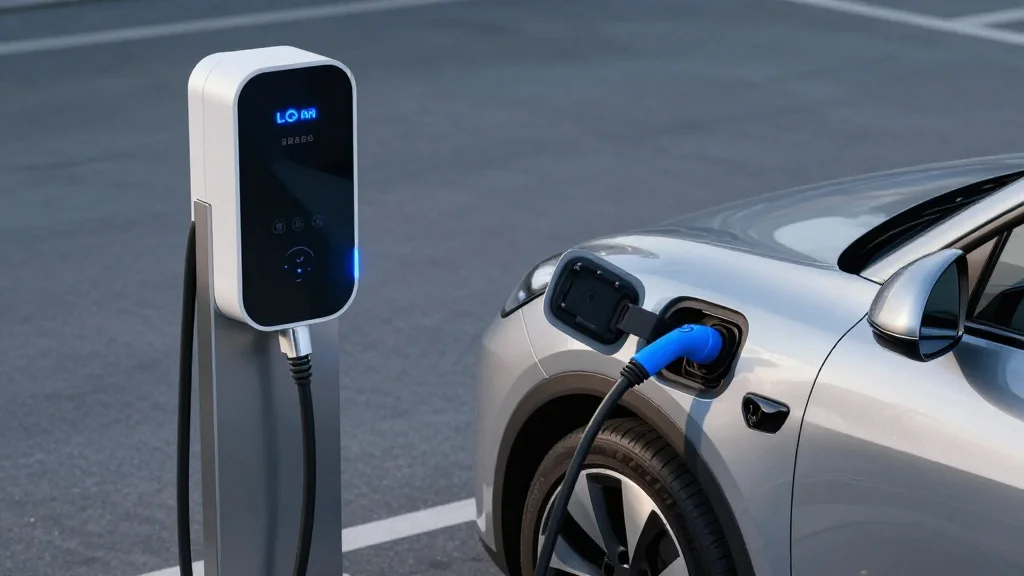
EV Sales Are Slowing Down. The U.S. Still Got Over 3,000 New Fast Charging Plugs In Q1
Companies Mentioned
Why It Matters
The continued expansion of fast‑charging capacity cushions the impact of a sales slowdown, ensuring infrastructure keeps pace with the growing vehicle fleet and supports future EV adoption. It also signals a strategic shift toward higher‑power, more reliable stations that can serve a broader range of drivers.
Key Takeaways
- •3,387 new DC fast‑charging ports added in Q1 2026
- •High‑power (>250 kW) stalls now dominate new installations
- •Network reliability rose to 90‑95% average across the U.S.
- •Tesla supplied 26% of new ports, down from >40%
- •EV sales slipped 27% YoY, yet charging rollout stays steady
Pulse Analysis
Even as U.S. electric‑vehicle sales fell 27% year‑over‑year in the first quarter, the nation’s fast‑charging network kept expanding at a steady clip. Paren’s data shows 3,387 new DC ports were activated across 617 fresh stations, bringing the total to 73,394 ports at 13,708 locations. This growth mirrors the previous year’s pace, underscoring that charging rollout is a multi‑year endeavor less sensitive to short‑term sales fluctuations. The steady supply of power points also helps alleviate range‑anxiety for the existing EV fleet, a critical factor as consumers weigh the cost of gasoline, which remains high.
The deployment strategy is evolving. Rather than building new sites, operators are densifying existing locations by adding more stalls, especially high‑power units capable of delivering over 250 kW. This focus on power density shortens charging times and improves utilization rates, keeping the network efficient as demand steadies. Reliability metrics have climbed to 90‑95% uptime, a notable jump from last year’s 85‑92%, reflecting lessons learned from earlier rollouts and better hardware maintenance practices. Consistent pricing—$0.45 to $0.55 per kilowatt‑hour—keeps the cost of electricity competitive with gasoline, reinforcing the economic case for EVs.
Market dynamics reveal a shifting competitive landscape. Tesla, while still the largest installer, contributed only 880 new ports (26% of the quarter’s total), down from a peak share above 40%. Independent players like Ionna (278 ports) and Red E (264 ports) are gaining ground, and connector preferences are changing: CCS1 remains dominant, but NACS installations are rising, outpacing CHAdeMO, which continues to decline. These trends suggest a maturing ecosystem where diverse stakeholders invest in robust, high‑power infrastructure, positioning the U.S. for a rebound in EV adoption once market conditions improve.
EV Sales Are Slowing Down. The U.S. Still Got Over 3,000 New Fast Charging Plugs In Q1
Comments
Want to join the conversation?
Loading comments...