EV Sales Just Hit Their Best Month Since Federal Tax Credits Ended
Companies Mentioned
Why It Matters
The data shows that consumer demand for EVs remains resilient despite the loss of federal subsidies, forcing manufacturers to rely on deep discounts and incentives to sustain growth, a trend that will shape pricing and profitability in the sector.
Key Takeaways
- •May EV sales exceed 85,000, highest since tax credits ended
- •Average EV transaction price fell 4% YoY to $54,532
- •Incentives average $7,600 per vehicle, 14% of price
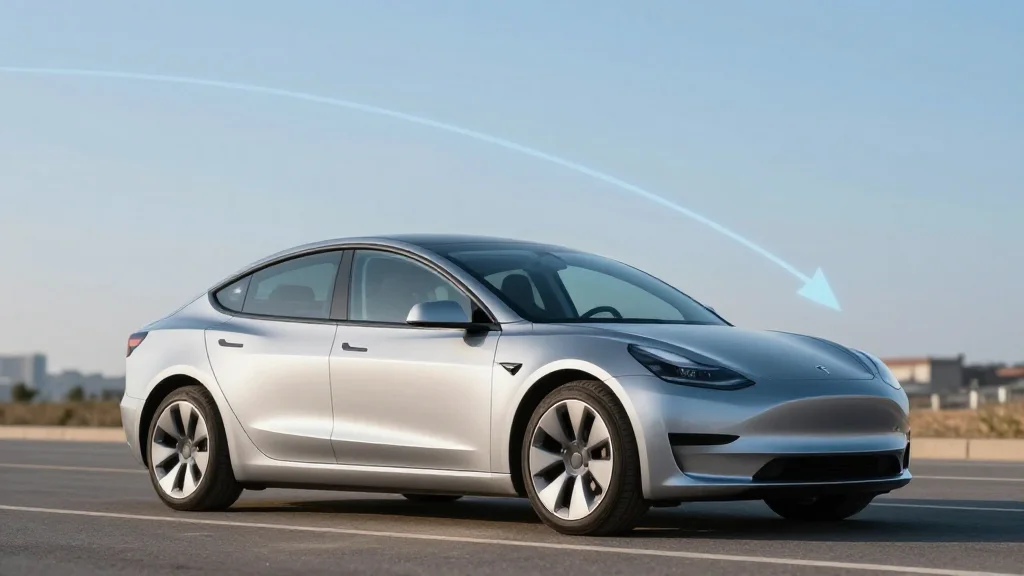
- •Tesla accounts for ~50% of US EV sales, driving price trends
- •Gas price spikes boost buyer interest in electric models
Pulse Analysis
The post‑credit era has forced the U.S. electric‑vehicle market into a price‑competition sprint. While the federal tax credit vanished in late 2025, May’s sales surge to over 85,000 units signals that buyers are still motivated, driven by rising gasoline costs and a broader acceptance of EV technology. The average transaction price slipping to $54,532—down 4% from a year earlier—highlights a maturing market where cost becomes a decisive factor, especially for cost‑conscious consumers.
Automakers have responded by leaning heavily on incentives, spending roughly $7,600 per vehicle, or 14% of the transaction price, to keep EVs affordable. This level of discounting is nearly twice the industry average and mirrors a strategic shift toward volume‑driven growth rather than margin expansion. Tesla’s dominant market share—about half of all U.S. EV sales—amplifies this effect; its price cuts on the Model 3 and Model Y pull the overall average down and set a pricing benchmark that other manufacturers feel compelled to match.
Looking ahead, the sustained demand despite subsidy removal suggests a market that can weather policy volatility, but it also raises questions about long‑term profitability. If incentives remain high, manufacturers may struggle to achieve healthy earnings, prompting a potential recalibration of pricing strategies or a push for cost reductions through supply‑chain efficiencies. Policymakers, meanwhile, may reconsider the role of federal support as the industry demonstrates resilience, while consumers benefit from a broader range of competitively priced electric options.
EV sales just hit their best month since federal tax credits ended
Comments
Want to join the conversation?
Loading comments...