Fisker’s Collapse Offers a Warning About Designing for Disruption
Companies Mentioned
Why It Matters
The Fisker collapse shows that reliance on one forecast can cripple a business; cultivating agility is essential for resilience and competitive advantage in today’s rapidly shifting markets.
Key Takeaways
- •Fisker’s bankruptcy stems from betting on a single EV future.
- •Higher rates and slowing demand crippled capital‑intensive startups.
- •Agile firms are 3‑6× more productive than laggards.
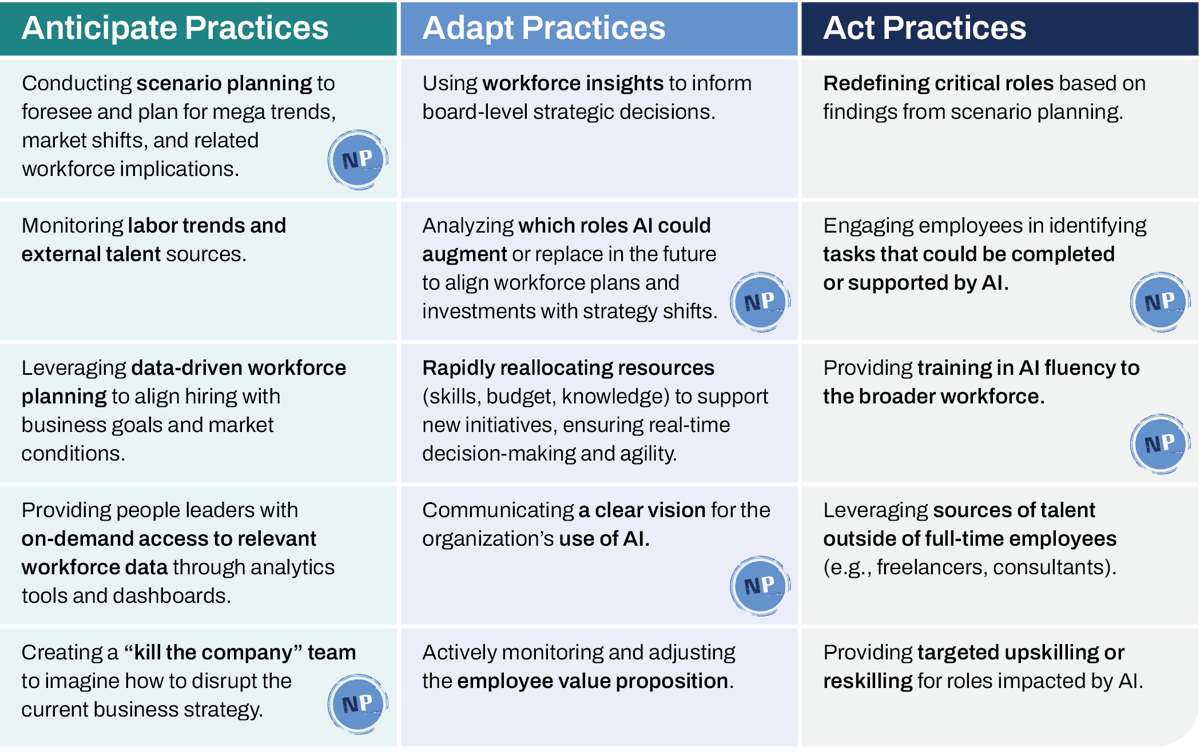
- •Anticipate, adapt, act framework drives resilience amid AI disruption.
- •Companies with 2‑5× AI adoption outperform less agile peers.
Pulse Analysis
Fisker’s downfall illustrates a classic strategic blind spot: planning for a single, optimistic scenario while ignoring macro‑economic volatility. The company assumed continuous EV demand growth, abundant cheap capital, and enthusiastic consumers, but a confluence of higher interest rates, decelerating sales, and intensified competition quickly eroded its cash runway. This misalignment between expectations and reality forced the firm into bankruptcy, underscoring that even well‑funded innovators can falter when they lack contingency buffers.
Beyond automobiles, the lesson translates to any sector facing accelerating disruption. The "3 As" of organizational agility—anticipate, adapt, act—provide a practical roadmap. Firms that systematically scan for signals, employ scenario planning, and make data visible can sense shifts before they become crises. Rapidly reallocating resources, breaking down silos, and fostering collaborative cultures enable swift strategic pivots. Finally, empowering teams with decision rights and continuous learning ensures new processes are executed at speed. Research cited in the article shows agile organizations deliver 3‑6 times higher productivity, experience 12 % lower change fatigue, and adopt AI technologies 2‑5 times faster than their slower counterparts.
For leaders, embedding agility requires intentional investment in people and technology. HR can champion adaptable mindsets by rewarding learning, ensuring transparent performance metrics, and designing cross‑functional teams that operate with autonomy. Simultaneously, executives must allocate budget for flexible infrastructure and AI tools that scale with evolving needs. In an era where AI compresses opportunity windows and geopolitical tensions add uncertainty, the ability to anticipate, adapt, and act is no longer a competitive edge—it is a survival imperative.
Fisker’s collapse offers a warning about designing for disruption
Comments
Want to join the conversation?
Loading comments...