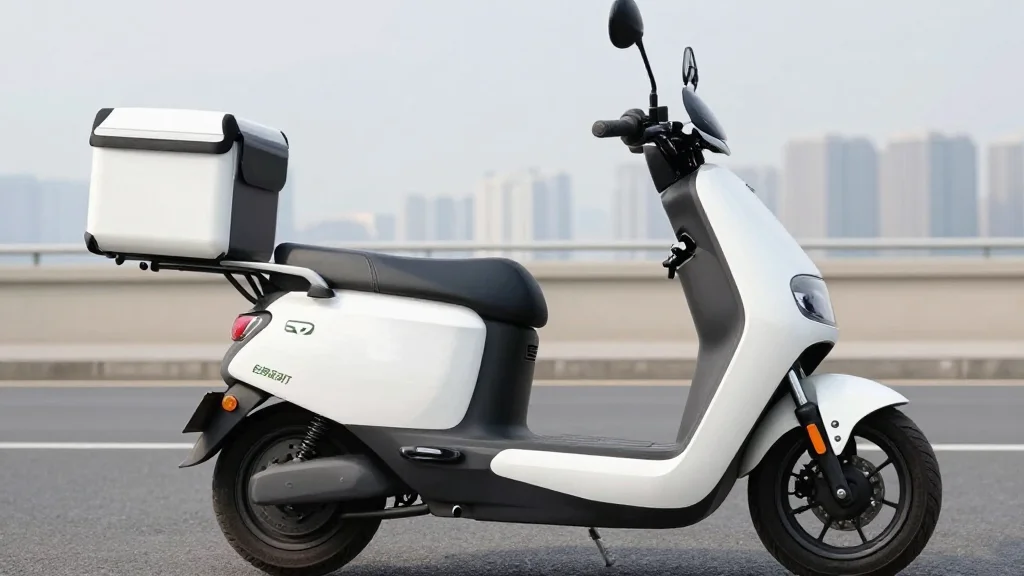
Flipkart Launches Platform to Make Electric Mobility More Accessible for Delivery Partners
Companies Mentioned
Why It Matters
The initiative speeds up electrification of last‑mile delivery, cutting emissions and operating costs while raising earnings for gig‑based delivery partners, reshaping India’s logistics landscape.
Key Takeaways
- •EV Assist connects verified EV fleet operators with Flipkart delivery partners
- •Platform covers >20 Indian cities, targeting 100% electric logistics by 2030
- •Rental plans start under $11 weekly, making EVs affordable for gig workers
- •Flipkart’s EV fleet surpassed 20,000 vehicles, doubled in one year
- •Fuel savings of 70‑80% could boost partner income up to 20%
Pulse Analysis
India’s e‑commerce boom has put last‑mile delivery at the forefront of sustainability discussions. Flipkart, the country’s second‑largest online retailer, responded with its EV100 initiative, pledging a fully electric logistics network by 2030. The move aligns with government incentives for electric two‑wheelers and addresses rising fuel costs that erode margins for gig workers. By scaling its electric fleet to over 20,000 units in just a year, Flipkart demonstrates both operational commitment and market confidence in EV technology as a viable alternative to conventional scooters.
EV Assist serves as the connective tissue between delivery partners and vetted EV rental providers. Users simply enter their location and weekly budget, then browse options ranging from under $11 to about $21 per week. The platform streamlines onboarding, allowing partners—known as Wishmasters—to secure vehicles without upfront capital outlay. This model not only lowers the barrier to entry but also translates into tangible financial benefits: industry data suggest fuel and energy expenses can drop 70‑80%, while reduced maintenance can lift partner earnings by 15‑20%. Early adoption spikes in Delhi‑NCR, Patna and Bengaluru hint at strong demand for cost‑effective, environmentally friendly mobility solutions.
The broader impact extends beyond Flipkart’s own network. Accelerated EV adoption in the gig economy can shave millions of tons of CO₂ emissions annually, supporting India’s climate targets. Moreover, a scalable marketplace like EV Assist could become a template for other logistics firms seeking to modernize fleets without heavy capital investment. As battery costs continue to fall and charging infrastructure expands, the economics of electric two‑wheelers will only improve, positioning platforms that facilitate access as critical enablers of a greener, more profitable delivery ecosystem.
Flipkart Launches Platform to Make Electric Mobility More Accessible for Delivery Partners
Comments
Want to join the conversation?
Loading comments...