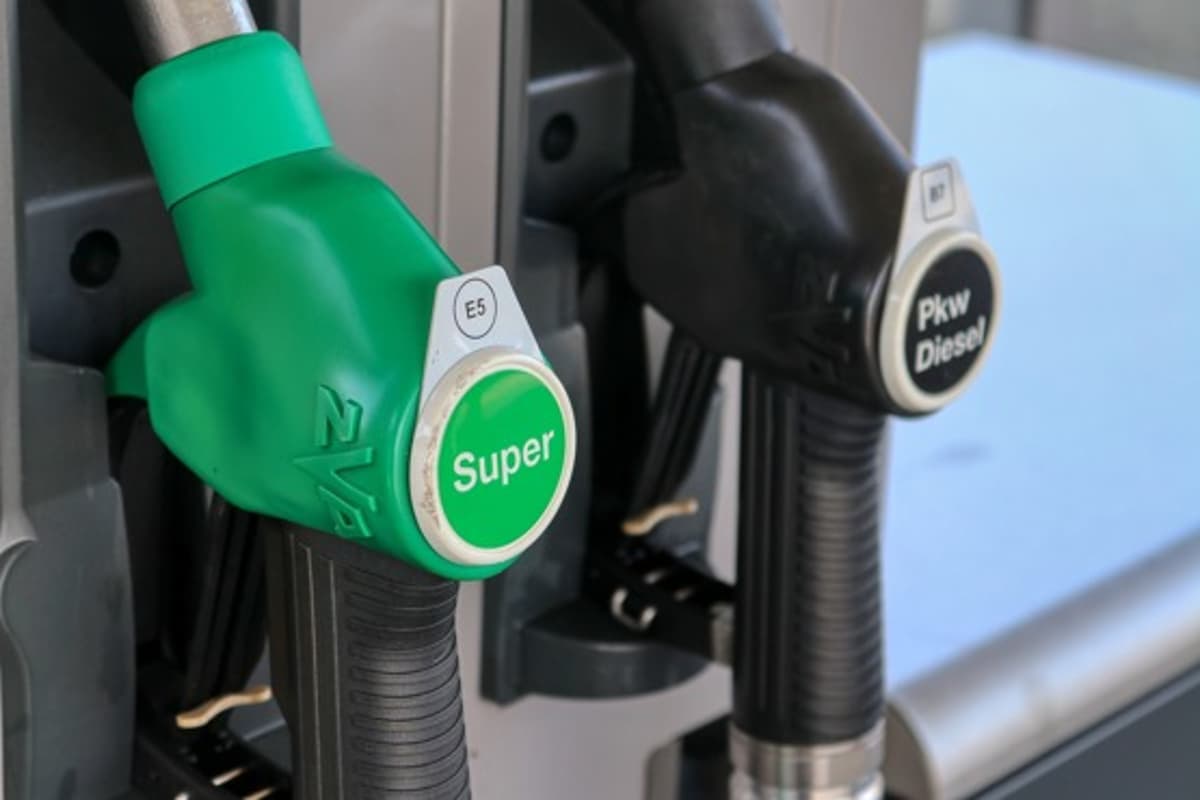
Fuel Prices Near £2 a Litre Could Push 44% of Drivers Towards EVs
Why It Matters
The data signals a rapid acceleration in EV demand driven by fuel price volatility, forcing dealers and manufacturers to adapt pricing and inventory strategies. It also underscores the broader economic case for accelerating the UK’s electric‑vehicle transition as a hedge against fuel‑price shocks.
Key Takeaways
- •£2/ℓ (~$2.50) fuel price could push 44% toward EVs.
- •54% say higher fuel costs increase likelihood of switching to electric.
- •Men, under‑45s, and >£60k earners most inclined to adopt EVs.
- •Dealers urged to highlight affordability as fuel prices breach £2 per litre.
Pulse Analysis
The United Kingdom’s recent surge in pump prices—petrol averaging 157p per litre and diesel 190p—has pushed the cost of a litre of fuel to roughly $2.50. That level, identified by Cazoo & Motors as the "tipping point," now appears to be reshaping buyer intent. Their Consumer Insight Panel, which surveyed 2,008 prospective car purchasers, revealed that 44% of non‑EV owners would seriously contemplate an electric alternative if fuel prices remain at or above £2 per litre. This sentiment is reinforced by a broader 54% of respondents who say rising fuel costs would make an EV switch more likely, indicating that price pressure is becoming a primary catalyst for electrification.
For automotive retailers, the findings translate into an urgent need to reframe the sales narrative. Men, younger drivers under 45, and households with incomes exceeding £60,000 are the most responsive segments, suggesting that targeted marketing and financing solutions could capture a sizable share of new EV demand. Dealers are advised to foreground total cost of ownership and affordability, especially as consumers compare the volatile cost of gasoline with the predictable expense of electricity. By integrating these insights, retailers can better align inventory, training, and incentive programs with the evolving preferences of a price‑sensitive market.
Beyond dealership floors, the research feeds into a larger policy debate about the UK’s energy resilience. Analysts at New Automotive argue that short‑term fixes like fuel‑duty cuts merely shift costs to the Treasury without reducing reliance on imported fossil fuels. Accelerated EV adoption, by contrast, offers a durable solution that stabilizes motoring costs and supports economic resilience. As fuel prices continue to fluctuate, the case for a swift transition to electric mobility becomes not just an environmental imperative but a strategic economic priority for both the private sector and policymakers.
Fuel prices near £2 a litre could push 44% of drivers towards EVs
Comments
Want to join the conversation?
Loading comments...