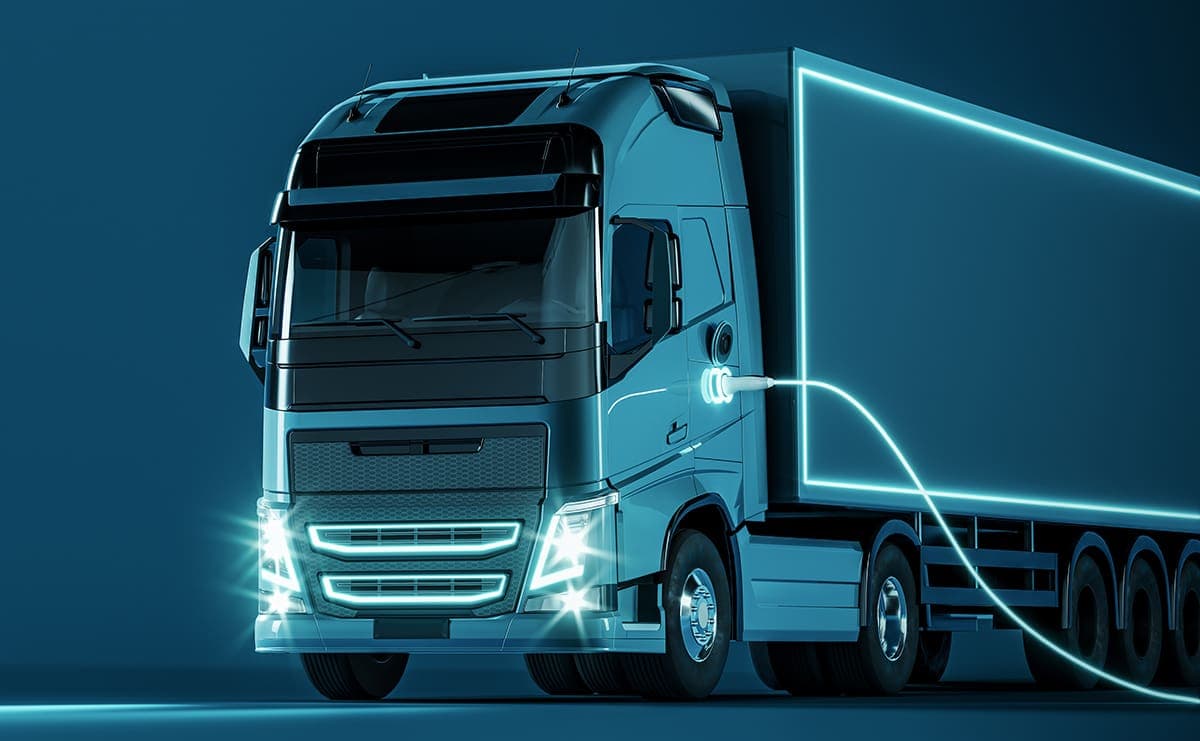
Germany to Invest One Billion Euros in Electric Truck Charging Infrastructure
Why It Matters
The investment fast‑tracks the decarbonisation of Germany’s freight sector and signals strong policy support that can stimulate market growth and technology deployment across Europe.
Key Takeaways
- •€1bn (~$1.09bn) earmarked for heavy‑duty EV charging over four years.
- •Funding includes grid upgrades, battery storage, and load‑management systems.
- •First €200m (~$218m) round offers €500/kW (~$545) subsidies.
- •Calls target both private depots and public rest‑area chargers.
- •Competitive selection rewards higher funding per installed kilowatt.
Pulse Analysis
Germany’s transport ministry has committed €1 billion (about $1.09 billion) to build a nationwide network of electric‑truck chargers, a cornerstone of its 2030 Master Plan for Charging Infrastructure. Heavy‑duty road freight accounts for roughly 20 % of the country’s transport emissions, and the new program aims to accelerate the shift from diesel to battery‑electric vehicles. By earmarking funds for both private depot chargers and publicly accessible stations, the government is addressing the “chicken‑and‑egg” dilemma that has slowed adoption across Europe’s logistics sector.
The first tranche releases €200 million ($218 million) through three distinct calls, each offering a flat €500 per kilowatt installed—roughly $545 per kW. Applicants can secure subsidies for grid connections, on‑site battery storage, and intelligent load‑management systems, ensuring that new chargers integrate smoothly with the existing power network. Private fleets, especially small and medium‑sized enterprises, can obtain funding without a competitive selection, while larger firms and public‑access projects compete on the amount of funding per kilowatt, incentivising higher‑density installations at rest areas and logistics hubs.
The initiative is likely to catalyse a wave of investment from charger manufacturers, energy utilities, and fleet operators, positioning Germany as a testing ground for next‑generation heavy‑duty EV technology. As European Union climate targets tighten, other member states may emulate the subsidy model, creating a pan‑European market for high‑power charging solutions. However, the program’s success will hinge on timely grid upgrades and the rollout of standardized communication protocols. If these challenges are met, the funding could shave millions of tonnes of CO₂ from freight transport and reshape the continent’s supply‑chain logistics.
Germany to invest one billion euros in electric truck charging infrastructure
Comments
Want to join the conversation?
Loading comments...