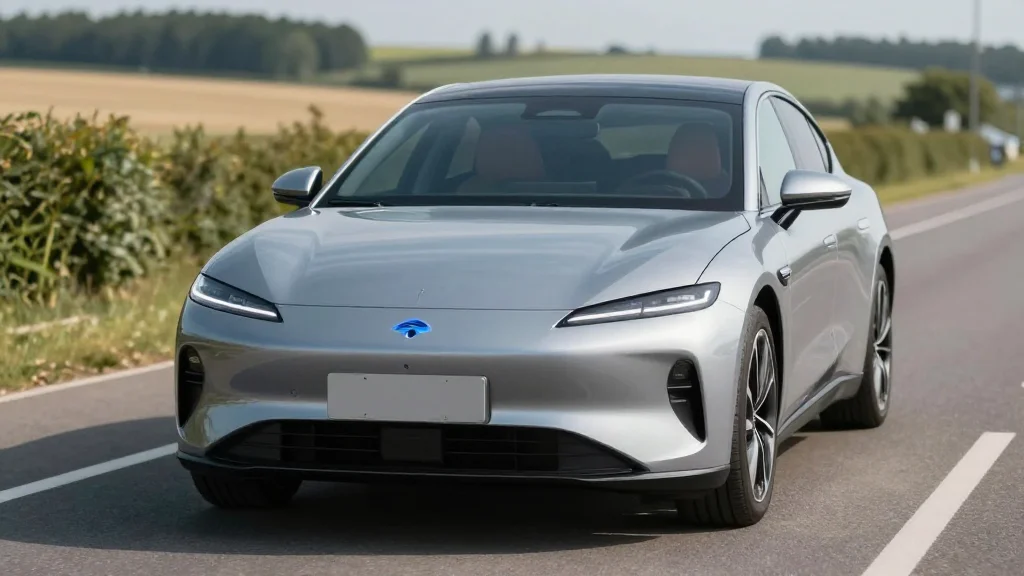
Germany’s Subsidy Programme Prompts BEV Sales Uptick
Why It Matters
The surge demonstrates that targeted subsidies can accelerate EV adoption, helping Germany meet its climate targets and reshaping the domestic auto market.
Key Takeaways
- •BEV registrations climbed noticeably in March and April 2026
- •German subsidies reduce upfront cost by up to €9,000 per vehicle
- •Higher BEV sales improve Germany’s 2030 CO₂ reduction goals
- •Dealers report increased inventory turnover for electric models
- •EU automakers see Germany as a key test market for EV strategies
Pulse Analysis
Germany’s latest electric‑vehicle incentive package, announced in late 2025, offers up to €9,000 (about $9,800) off the purchase price of eligible battery‑electric cars. The subsidy applies to vehicles priced below €40,000 and is contingent on meeting domestic production quotas, a design meant to stimulate both consumer demand and local manufacturing. By lowering the effective price barrier, the programme aligns with the European Union’s broader Green Deal objectives, encouraging a faster transition away from internal‑combustion engines.
The VDA’s registration data for March and April 2026 reveal a pronounced shift: BEV sales rose sharply compared with the preceding months, reversing a period of stagnant growth. Industry observers attribute this rebound primarily to the new financial support rather than external factors such as the conflict in Iran, which had limited impact on German consumer behavior. Dealers across the country report that inventory of electric models, previously sluggish, is now moving at a pace comparable to premium gasoline cars, indicating that price incentives are translating into real‑world purchases.
Beyond immediate sales, the subsidy’s ripple effects could reshape Germany’s automotive landscape. Higher BEV volumes provide manufacturers with economies of scale, reducing per‑unit battery costs and accelerating the rollout of next‑generation models. Moreover, increased electric‑vehicle adoption supports the nation’s climate commitments, contributing to the target of cutting transport‑related CO₂ emissions by 40% by 2030. As other EU nations watch Germany’s results, the programme may serve as a template for regional policy, reinforcing Europe’s collective push toward a sustainable mobility future.
Germany’s subsidy programme prompts BEV sales uptick
Comments
Want to join the conversation?
Loading comments...