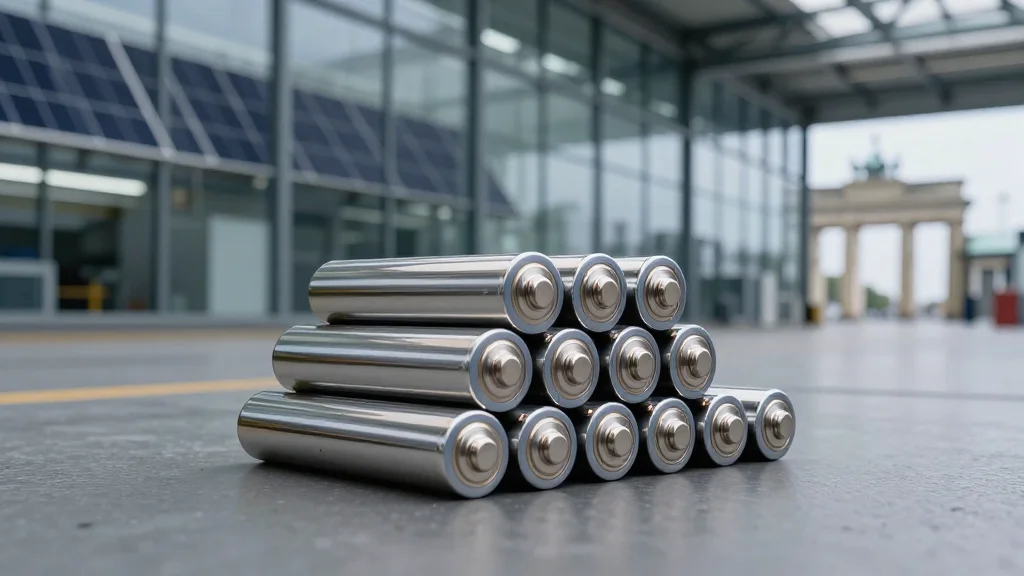
Global Briefing: Tesla to Invest $250m in Berlin Gigafactory
Why It Matters
The infusion boosts Europe’s EV supply chain, cuts import dependence, and creates high‑skill jobs, reinforcing Tesla’s competitive edge in a rapidly expanding market.
Key Takeaways
- •Tesla adds $250 million to Berlin gigafactory expansion.
- •Capacity boost aims to support one‑million‑vehicle annual target.
- •European battery output expected to rise, reducing import reliance.
- •Project creates hundreds of high‑skill jobs in Germany.
- •Investment aligns with EU green‑energy incentives and supply‑chain goals.
Pulse Analysis
Tesla’s latest capital injection of $250 million into its Berlin‑Brandenburg gigafactory marks a decisive step in the company’s European rollout. The Berlin site, operational since 2022, is positioned to become the continent’s flagship EV assembly line, complementing the company’s factories in Fremont and Shanghai. By earmarking funds for a dedicated battery‑cell expansion, Tesla seeks to close the gap between vehicle assembly and energy‑storage production, a move that could accelerate its goal of delivering one million cars per year from Europe.
The additional capacity will bolster local battery output, easing Europe’s dependence on Asian imports and strengthening the region’s supply‑chain resilience. EU policymakers have rolled out generous subsidies and tax credits for domestically produced batteries, and Tesla’s investment dovetails with those incentives. Competitors such as Volkswagen and BMW are also scaling up battery projects, intensifying the race for raw‑material securing and recycling infrastructure. Tesla’s vertical integration—pairing cell manufacturing with vehicle assembly—offers cost advantages that could reshape pricing dynamics across the European EV market.
Beyond the strategic advantages, the Berlin expansion is expected to generate several hundred high‑skill jobs, reinforcing Germany’s reputation as a clean‑technology hub. The increased production capacity may also lower the carbon footprint of Tesla’s European fleet by shortening transport distances for batteries. Analysts view the move as a hedge against potential trade barriers and a signal of confidence in Europe’s long‑term demand for electric mobility. As the continent tightens emissions standards, Tesla’s bolstered presence could set a benchmark for future green‑manufacturing investments.
Global Briefing: Tesla to invest $250m in Berlin gigafactory
Comments
Want to join the conversation?
Loading comments...