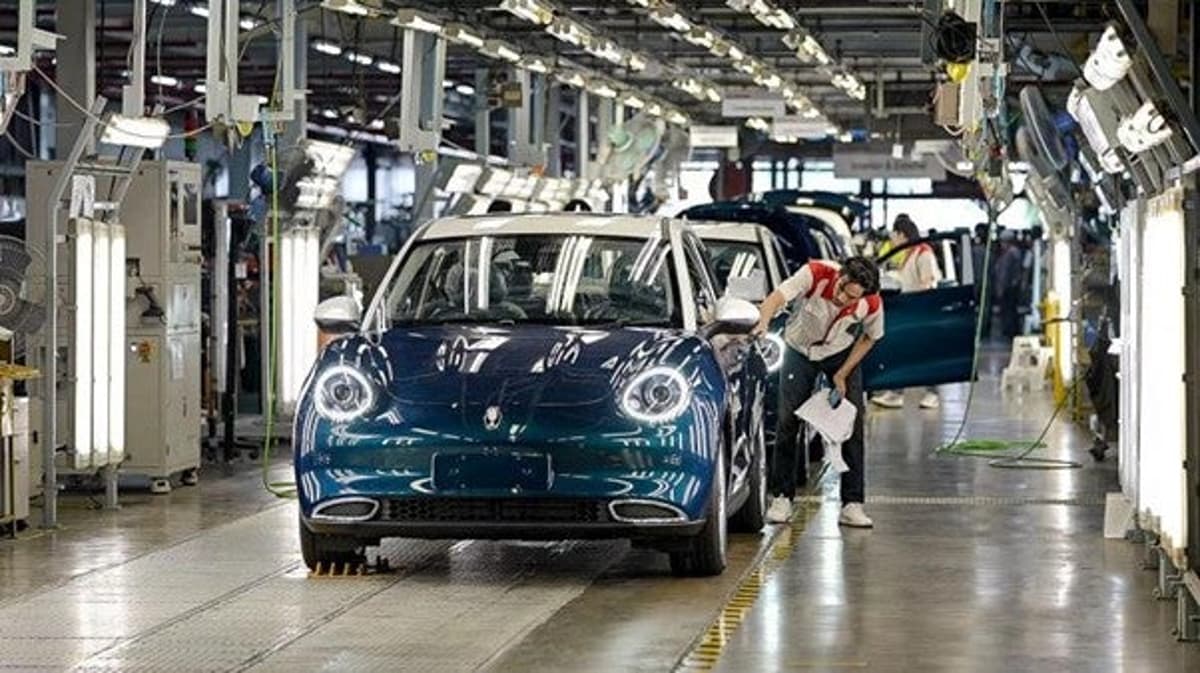
Global Light Vehicle Production Forecast for 2026 Gets a Downgrade
Companies Mentioned
Why It Matters
The downgrade signals tighter margins and higher input costs for automakers worldwide, while heightened geopolitical risk may curtail demand and strain supply chains, affecting investors and policymakers alike.
Key Takeaways
- •Global light vehicle production forecast for 2026 lowered to 93.3 million units
- •World GDP growth projected at 2.4% in 2026, down 0.4 points
- •Brent oil price expected to average $113/barrel Q2, then $80 by year‑end
- •Asia’s Q1 LV output exceeds expectations, offsetting later‑year downgrades
- •Prolonged Strait of Hormuz disruption could trigger energy‑price spikes and recession risk
Pulse Analysis
The latest Oxford Economics outlook underscores how geopolitical turbulence in the Middle East is reshaping the automotive sector’s growth trajectory. By trimming global light‑vehicle production to 93.3 million units for 2026, the forecast reflects a 0.4‑percentage‑point dip in world GDP growth, now seen at 2.4%. Higher energy costs—anchored by a projected $113 Brent price in the second quarter—are expected to lift global inflation to a 4.4% peak, forcing central banks into a delicate rate‑policy balancing act.
In the Asia‑Pacific region, the picture is mixed. Robust export‑driven output in China, Japan and South Korea propelled a 2.8% year‑over‑year decline in Q1 LV production, cushioning the broader forecast cut. China’s domestic incentive program and its diversified energy mix provide a modest buffer against oil‑price shocks, yet the region remains vulnerable to commodity supply disruptions from the Strait of Hormuz. Accelerating demand for electrified vehicles could offer a growth tailwind, but the overarching economic headwinds from the Middle‑East crisis may erode that advantage.
For automakers and investors, the revised outlook translates into tighter profit margins and heightened supply‑chain uncertainty. Companies will need to hedge against volatile energy prices, reassess inventory strategies, and possibly accelerate electrification roadmaps to stay competitive. Policymakers, meanwhile, must monitor the risk of a prolonged Hormuz closure, which could trigger a cascade of higher production costs and dampen consumer purchasing power, potentially nudging the global economy toward stagflation.
Global light vehicle production forecast for 2026 gets a downgrade
Comments
Want to join the conversation?
Loading comments...