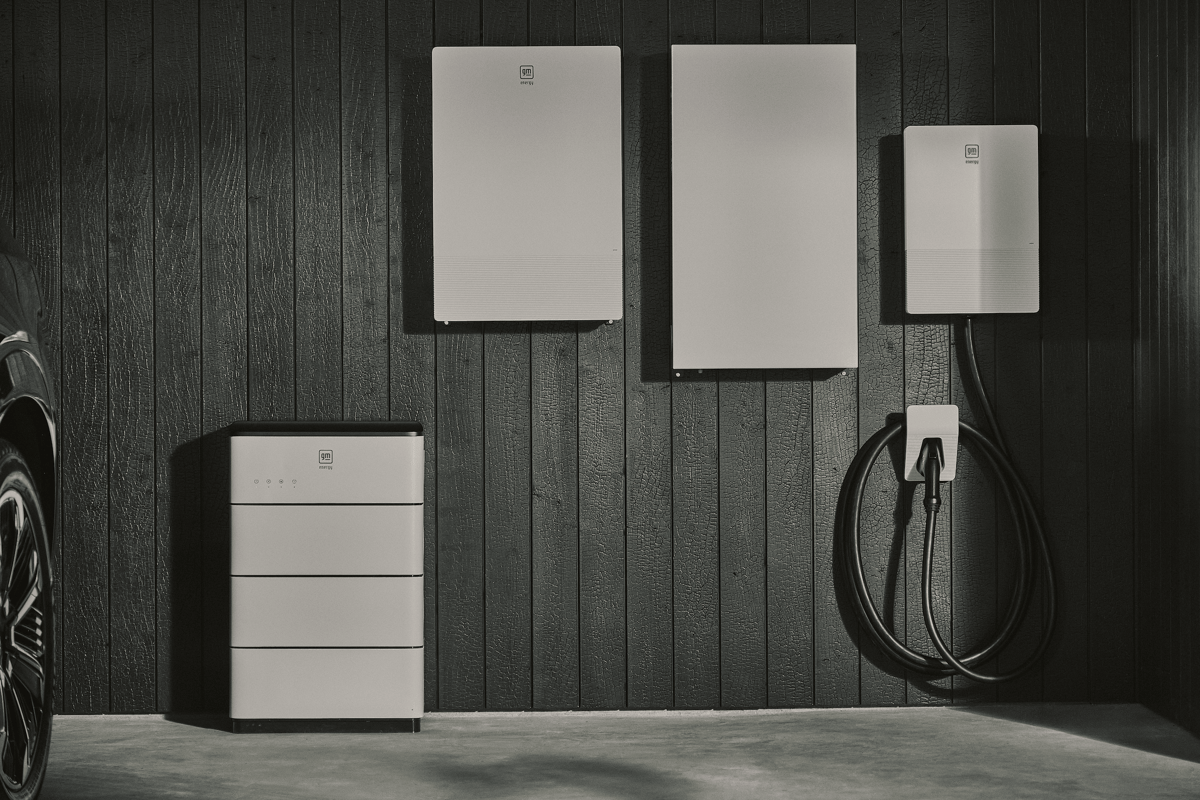
GM Wants Your Electric Car to Power Your House—And Your Neighborhood
Companies Mentioned
Why It Matters
Bidirectional charging transforms GM’s EVs into revenue‑generating assets and a flexible grid resource, accelerating the shift to a decentralized energy system. Success could reshape utility business models and boost the value proposition of electric vehicles for owners.
Key Takeaways
- •GM pushes software update enabling bidirectional charging on 250k EVs.
- •Home energy system costs $20,000, recouped in ~5 years.
- •Partnerships with DTE Energy and PG&E target 52,000 EVs by 2030.
- •Utility approval and consumer awareness remain biggest adoption hurdles.
- •V2G could let owners earn money by selling power during peak rates.
Pulse Analysis
Vehicle‑to‑grid (V2G) technology is moving from laboratory pilots to commercial rollout, and GM is positioning itself at the forefront. By leveraging the large battery packs already built into its Chevrolet Bolt, Cadillac Lyriq, and other models, the automaker can offer a two‑way power flow that helps balance grid demand during hot afternoons and provides backup power for homes during outages. The recent software push unlocks this capability on an estimated 250,000 vehicles, a scale that dwarfs early adopters like Nissan and Hyundai, and signals a shift toward treating EVs as mobile energy storage units rather than mere transportation devices.
From a business perspective, GM’s $20,000 home‑energy kit—designed to interface with local utilities—creates a new revenue stream for both the carmaker and the consumer. Owners can charge when electricity is cheap and discharge during peak price periods, effectively turning their vehicle into a small power plant that earns credits on time‑of‑use tariffs. The promised five‑year payback hinges on favorable rate structures and utility incentives, but it also introduces a compelling value proposition that could accelerate EV adoption among price‑sensitive buyers. However, the model depends on complex coordination: utilities must approve hardware, integrate communication standards, and design compensation programs that are transparent and attractive.
Looking ahead, GM’s utility collaborations—such as the DTE Energy stress test and the PG&E rollout plan for 52,000 EVs by 2030—illustrate the ecosystem work required to scale V2G. If standards coalesce and consumer awareness improves, the aggregated capacity of GM’s fleet could supply gigawatts of flexible power, easing the integration of renewable energy and reducing reliance on peaker plants. Success would not only reshape grid operations but also redefine the economics of vehicle ownership, making the electric car a dual‑purpose asset for mobility and energy resilience.
GM Wants Your Electric Car to Power Your House—and Your Neighborhood
Comments
Want to join the conversation?
Loading comments...