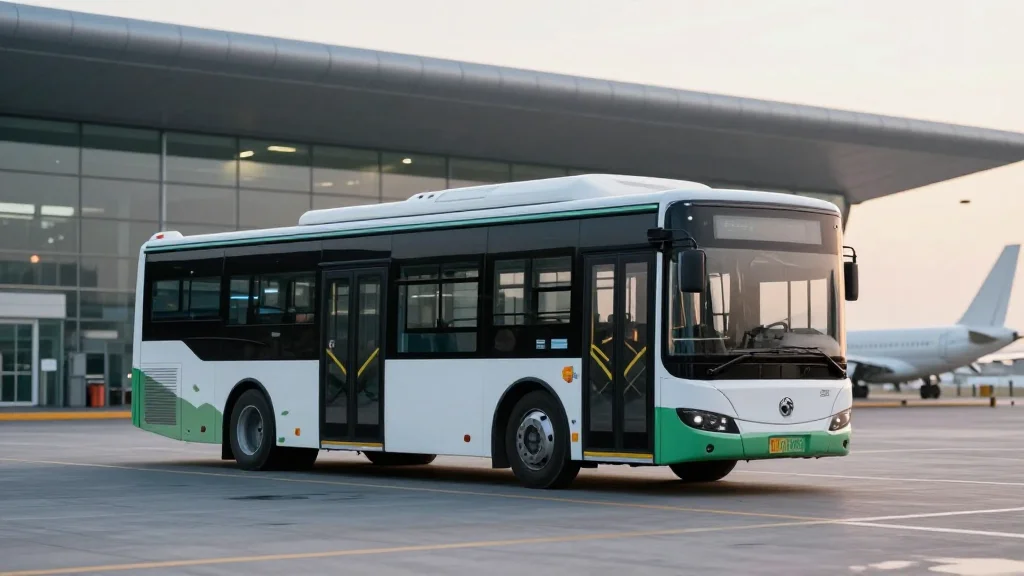
GNIDA to Launch 15 E-Buses Linking City to Noida International Airport
Companies Mentioned
Why It Matters
The initiative provides essential, low‑emission connectivity for a new aviation hub, supporting Delhi‑NCR’s push toward greener urban transport and potentially shaping future public‑transit investments.
Key Takeaways
- •15 electric buses will serve four routes to Noida International Airport
- •Service costs about ₹1.8 crore (~$217k) for an initial six‑month trial
- •UP Roadways will run buses every 30 minutes from Pari Chowk
- •Yamuna Authority plans five hydrogen‑powered buses on the Pari‑Chowk route
- •Airport launch expected to spur sustainable mobility demand across Delhi‑NCR
Pulse Analysis
The Noida International Airport, slated to open on June 15, marks the second major civil aviation gateway in the Delhi‑NCR corridor. Its strategic location in Jewar promises to divert traffic from the congested Indira Gandhi International Airport and attract airlines such as IndiGo, Akasa Air and Air India Express. However, the airport’s success hinges on reliable ground access, prompting regional planners to prioritize multimodal links that can handle the projected passenger surge while mitigating traffic snarls.
GNIDA’s rollout of 15 electric buses addresses this need by delivering a zero‑emission shuttle network across four high‑traffic corridors. Funded at roughly ₹1.8 crore (≈$217,000), the pilot will operate for six months, with four buses on each of the first three routes and three on the fourth. UP Roadways will manage the fleet, ensuring a 30‑minute headway from Pari Chowk and hourly service from Noida City Centre. By integrating with existing state‑run routes to Delhi, Gurgaon and Dehradun, the electric buses create a seamless bridge between the airport and the broader metropolitan area, encouraging travelers to opt for public transport over private cars.
Beyond immediate connectivity, the project signals a broader shift toward sustainable mobility in northern India. The inclusion of hydrogen‑powered buses planned by the Yamuna Authority underscores a commitment to diversified clean‑energy solutions. If ridership meets expectations, GNIDA may extend the service beyond the trial period, setting a template for other emerging hubs. The initiative also aligns with India’s national electric‑vehicle targets, offering a replicable model that blends public‑sector funding, private‑sector operation, and environmental stewardship to meet the evolving demands of a growing urban populace.
GNIDA to launch 15 e-buses linking city to Noida International Airport
Comments
Want to join the conversation?
Loading comments...