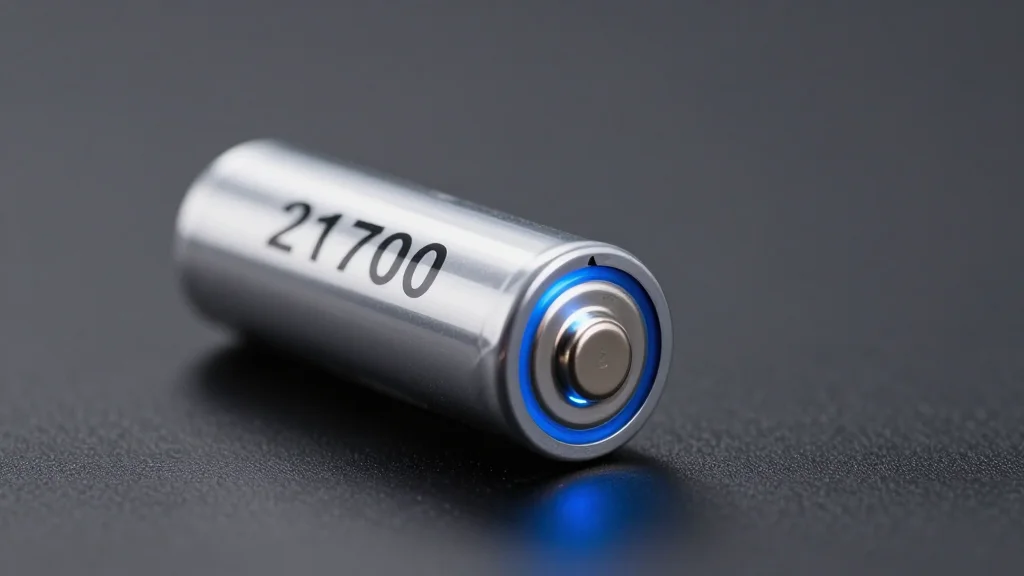
HPQ Silicon Reports 6,696 mAh From GEN4 Silicon Anode in 21700 Format, 45% Above Graphite Baseline
Companies Mentioned
Why It Matters
The breakthrough pushes lithium‑ion energy density toward levels that can extend EV range or shrink battery packs, reshaping vehicle design and cost structures. It also signals that silicon anodes are nearing commercial viability, prompting industry‑wide acceleration.
Key Takeaways
- •GEN4 cells hit 6,696 mAh capacity.
- •45% energy boost over graphite baseline.
- •319.9 Wh/kg gravimetric density achieved.
- •HPQ holds exclusive US rights to GEN4.
- •Targeting 7,000 mAh in next generation.
Pulse Analysis
Silicon‑based anodes have long been touted as the next leap for lithium‑ion batteries, promising far higher specific capacity than traditional graphite. HPQ Silicon’s recent test results demonstrate that its GEN4 material can deliver an average of 6,600 mAh in the 21700 cylindrical format, with a peak of 6,696 mAh. Those figures translate to 319.9 Wh/kg gravimetric and 906.2 Wh/L volumetric energy density—metrics that eclipse the 4,800‑5,000 mAh range typical of commercial graphite cells. The data, gathered under industry‑standard 0.1 C discharge conditions, suggest that silicon anodes are moving from laboratory curiosity to scalable solution.
The jump in capacity directly impacts electric‑vehicle architecture. A 45 % increase in cell energy means manufacturers can either extend driving range or shrink battery packs, reducing vehicle weight and cost. At 906 Wh/L, the volumetric gain eases packaging constraints for high‑density platforms such as SUVs and performance sedans. Compared with HPQ’s own GEN3, GEN4 adds roughly 9 % more capacity, indicating rapid material optimization. If the projected 7,000 mAh target materializes, the industry could see a paradigm shift toward smaller, longer‑lasting packs without sacrificing safety or cycle life.
HPQ Silicon’s exclusive North American rights to Novacium’s GEN4 under the ENDURA+ brand position it to capture early market share as OEMs seek higher‑energy cells. While the current figures stem from development‑stage validation rather than mass production, the partnership with an industrial manufacturer shows a clear path to scale. Investors will watch cost per kilowatt‑hour trends, as silicon anodes historically faced expansion‑induced degradation. Successful commercialization could compress EV total‑cost‑of‑ownership and accelerate adoption, while prompting competitors to accelerate their own silicon‑anode programs.
HPQ Silicon reports 6,696 mAh from GEN4 silicon anode in 21700 format, 45% above graphite baseline
Comments
Want to join the conversation?
Loading comments...