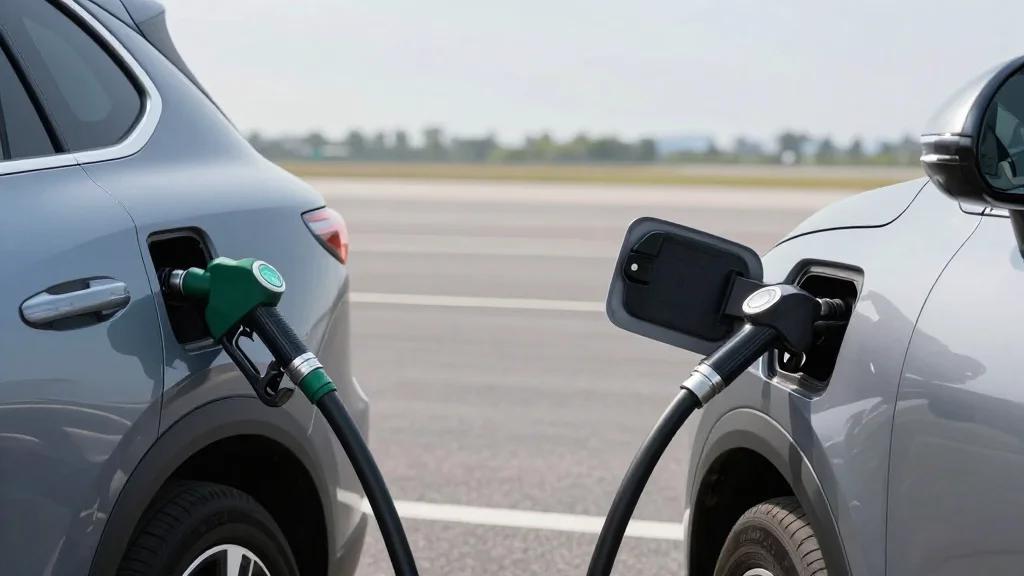
Hybrids, Petrol Cars and BYD EVs Caught Short on Range and Fuel Efficiency Claims
Why It Matters
The gap between lab ratings and real‑world performance undermines consumer confidence and may trigger tighter regulatory oversight of vehicle efficiency claims.
Key Takeaways
- •7 of 17 cars exceeded fuel use by over 10%.
- •GWM Jolion Hybrid used 27% more petrol than advertised.
- •BYD Dolphin EV range 24% lower than claimed.
- •Only Subaru Forester, Chery Tiggo 8 Pro beat lab.
Pulse Analysis
The Australian Automobile Association’s latest real‑world testing program underscores a widening gap between laboratory fuel‑efficiency figures and the performance drivers actually experience on the road. Conducted on a 93‑kilometre circuit around Geelong, the study evaluated 17 models—including hybrids, conventional petrol cars and two BYD electric vehicles—at a time when fuel shortages and soaring gasoline prices, driven by Middle‑East tensions, have sharpened consumer scrutiny of mileage claims. The results were stark: more than three‑quarters of the vehicles fell short of their official ratings, eroding trust in manufacturers’ advertised numbers.
The findings arrive against a backdrop of heightened regulatory attention following the 2015 Volkswagen emissions scandal, which revealed that software manipulation could mask real‑world emissions. Regulators in Australia and abroad are now considering stricter testing protocols that blend laboratory cycles with on‑road measurements, a move that could force automakers to redesign powertrains for genuine efficiency rather than optimizing for test conditions. For manufacturers, the penalty for overpromising is not merely reputational; it can translate into lost sales, warranty claims, and potential legal exposure if consumers feel misled.
For buyers, the takeaway is clear: independent data should complement manufacturer specifications when evaluating a vehicle’s operating cost. Tools such as the AAA’s fuel‑economy calculator or third‑party telematics can provide a more realistic picture of fuel consumption or electric range under typical driving patterns. As the market pivots toward low‑emission models, transparent performance metrics will become a competitive differentiator, encouraging brands that deliver verifiable efficiency to capture market share. Ongoing real‑world testing programs are likely to become a standard reference point for both regulators and consumers.
Hybrids, petrol cars and BYD EVs caught short on range and fuel efficiency claims
Comments
Want to join the conversation?
Loading comments...