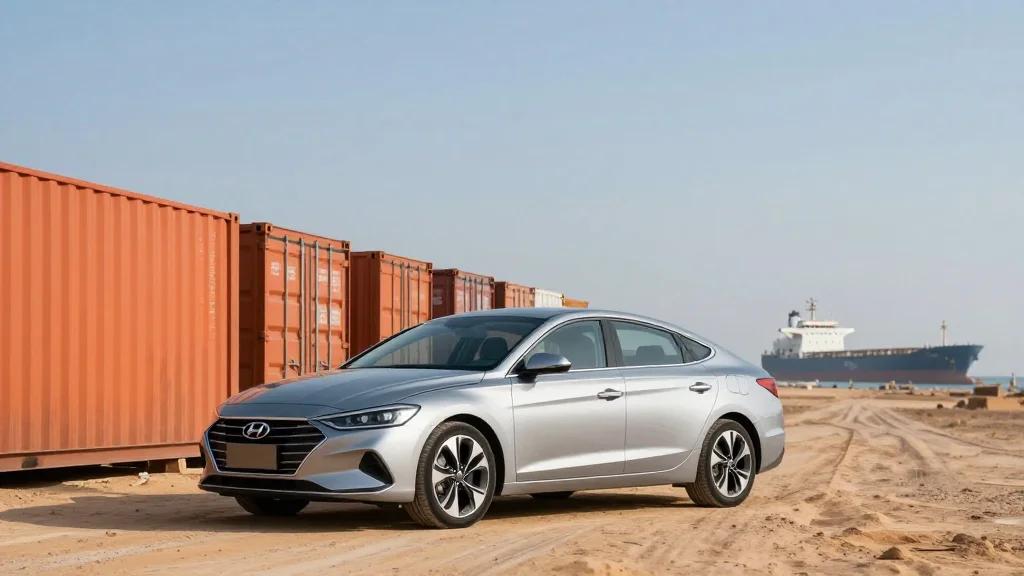
Hyundai Unable to Offset Middle East Sales Losses Amid Conflict – Report
Why It Matters
The sales shortfall erodes Hyundai's profit contribution from its most lucrative market and underscores the vulnerability of global auto supply chains to geopolitical shocks. Its response will shape the company's regional growth trajectory and competitive positioning in emerging markets.
Key Takeaways
- •Hyundai can't fully replace Middle East sales because of conflict, capacity limits
- •Shipping disruptions raise freight costs and delay deliveries to Europe, North Africa
- •CEO says Middle East remains highest-margin region despite lower profit volumes
- •Hyundai plans Saudi Arabia plant for Q4 2026 to boost regional localization
- •Ioniq EV brand expansion in China signals broader global electrification push
Pulse Analysis
The escalation of hostilities in the Middle East has rippled through the automotive sector, where Hyundai relies on the region for high‑margin revenue. Disrupted maritime routes have forced carriers to reroute vessels, inflating freight rates and extending lead times for shipments destined for Europe and North Africa. These logistics bottlenecks not only curtail Hyundai's ability to reallocate inventory but also strain its broader supply chain, highlighting how geopolitical events can quickly translate into tangible cost pressures for manufacturers.
In response, Hyundai is doubling down on localisation strategies that reduce dependence on volatile trade lanes. The company is shifting production capacity to its European and U.S. facilities, while accelerating the launch of a new manufacturing plant in Saudi Arabia slated for the fourth quarter of 2026. This investment aims to secure a domestic supply base, lower transportation costs, and restore margin performance in the Gulf. Simultaneously, Hyundai is expanding its electric‑vehicle portfolio in China, leveraging local partnerships to capture market share in the world’s largest EV market.
Hyundai's challenges mirror a broader industry trend: automakers must build resilient, regionally diversified production networks to weather geopolitical and logistical shocks. The shift toward localized manufacturing not only mitigates risk but also aligns with consumer demand for faster delivery and greener supply chains. As competitors accelerate similar strategies, Hyundai's ability to execute its Saudi plant and EV rollouts will be a key indicator of its capacity to sustain growth amid an increasingly uncertain global environment.
Hyundai unable to offset Middle East sales losses amid conflict – report
Comments
Want to join the conversation?
Loading comments...