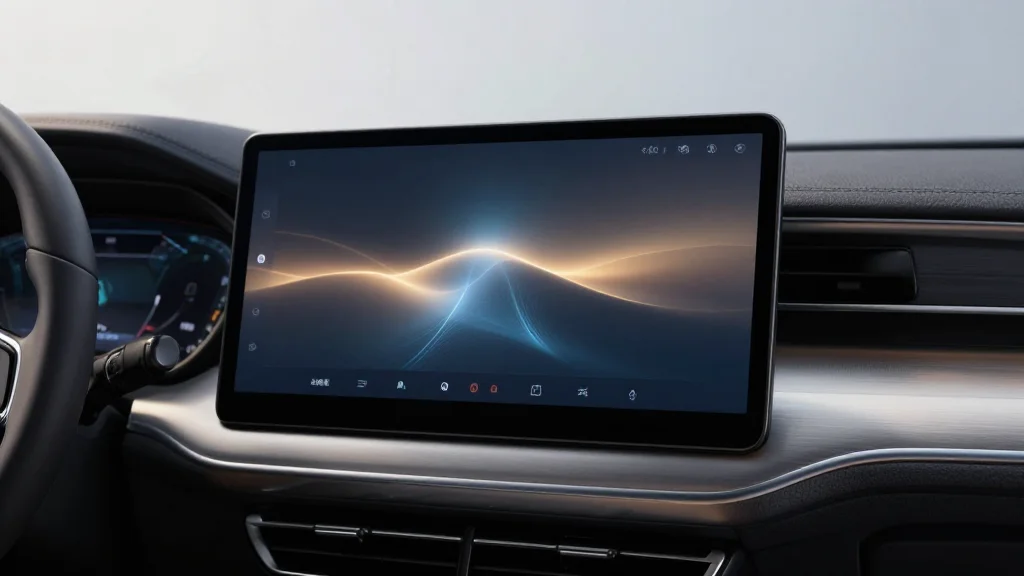
Hyundai Unveils Pleos Connect for Software-Defined Vehicle Architecture
Companies Mentioned
Why It Matters
Pleos Connect accelerates Hyundai’s transition to a software‑centric vehicle strategy, unlocking new revenue from apps and enhancing driver experience, while pressuring rivals to adopt comparable AI‑driven architectures.
Key Takeaways
- •Pleos Connect targets 20 million vehicles by 2030 across three brands
- •Gleo AI uses large language model for context‑aware, multi‑zone voice commands
- •Open App Market enables third‑party developers to add gaming and services
- •Dual‑screen cockpit combines touch, physical controls, and gesture navigation
- •Ioniq 3 will be first European model equipped with Pleos Connect
Pulse Analysis
The automotive industry is rapidly moving away from hardware‑centric designs toward software‑defined vehicle architectures, where the user experience is delivered through over‑the‑air updates and cloud‑based services. Hyundai Motor’s introduction of Pleos Connect marks the company’s first large‑scale implementation of this paradigm, positioning it alongside rivals such as Tesla, Volkswagen and GM that have already invested heavily in in‑car software platforms. By launching the system on the domestic Grandeur sedan and planning a global rollout, Hyundai signals its intent to compete for the next generation of connected mobility.
At the heart of Pleos Connect is Gleo AI, a voice assistant built on a large language model that can process multiple commands simultaneously, understand context, and identify the speaker’s location within the cabin. This zone‑aware capability enables personalized climate, navigation and media controls for each occupant. The cockpit features a primary split‑screen display and a secondary driver‑eye‑line panel, while retaining physical knobs and a three‑finger gesture for safe window management. An open App Market, supported by the Pleos Playground development kit, invites third‑party developers to deliver games, entertainment and vehicle‑management apps directly to the dashboard.
The commercial upside of Pleos Connect extends beyond an enhanced infotainment experience. Hyundai estimates the platform could be installed in roughly 20 million vehicles by 2030, creating a recurring revenue stream from app sales, data services and OTA updates. Moreover, the AI‑defined vehicle vision positions Hyundai to integrate deeper predictive maintenance, fleet optimization and autonomous driving functions in future models. Competitors will need to match Hyundai’s blend of large‑language‑model AI, open developer ecosystems and dual‑screen ergonomics to stay relevant in an increasingly software‑driven market.
Hyundai unveils Pleos Connect for software-defined vehicle architecture
Comments
Want to join the conversation?
Loading comments...