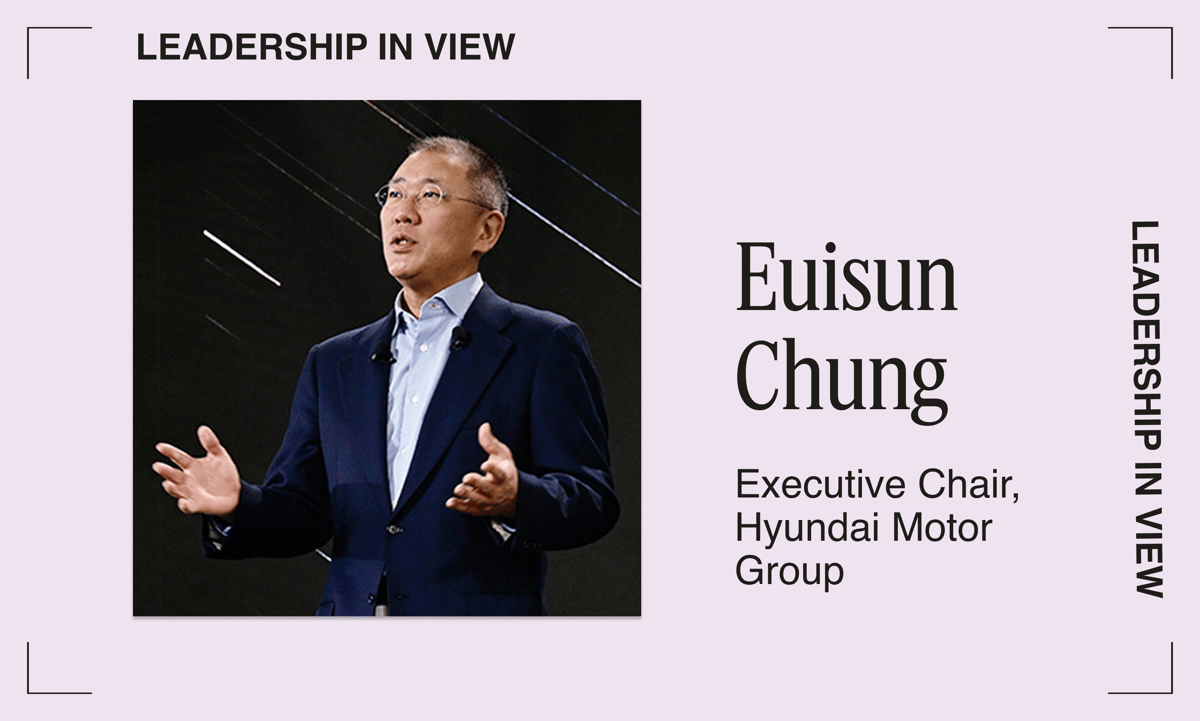
Hyundai's Euisun Chung on Scaling American Investment
Companies Mentioned

Why It Matters
The expanded U.S. capital outlay strengthens domestic manufacturing jobs and supply‑chain resilience, while Hyundai’s push into robotics and hydrogen positions it at the forefront of next‑generation mobility and clean‑energy competition.
Key Takeaways
- •Hyundai pledged $26 billion US investment through 2028, adding to $20.5 billion already spent.
- •Atlas humanoid robots to produce up to 30,000 units annually by 2030.
- •Hydrogen brand HTWO targets full ecosystem from production to vehicle integration.
- •US operations support 570,000 jobs and $300 million in charitable donations.
- •Strategy blends global scale with localized agility amid geopolitical fragmentation.
Pulse Analysis
Hyundai Motor Group’s $26 billion U.S. investment pledge underscores a broader shift among multinational automakers toward deepening domestic footprints. By committing capital to advanced manufacturing hubs like the Metaplant America facility, Hyundai not only bolsters job creation—supporting more than 570,000 positions—but also insulates its supply chain from trade volatility. The move aligns with U.S. policy incentives for high‑tech production and signals confidence in the country’s long‑term consumer demand for both conventional and electrified vehicles.
At the same time, Hyundai is leveraging cutting‑edge robotics to redefine factory floors. The partnership with Boston Dynamics to deploy Atlas humanoid robots, with a target of 30,000 units per year by 2030, illustrates a human‑centered AI approach that blends physical automation with skilled labor. This strategy promises higher precision, reduced cycle times, and scalable flexibility, giving Hyundai a competitive edge as rivals race to automate production while maintaining quality. The broader industry implication is a rapid acceleration of AI‑driven manufacturing across the automotive sector.
Hydrogen remains a strategic pillar for Hyundai, embodied in the HTWO brand’s ambition to build a full‑scale hydrogen ecosystem—from generation and storage to vehicle integration. As global energy markets pivot toward decarbonization, hydrogen offers a complementary pathway to battery electric vehicles, especially for heavy‑duty and long‑range applications. Hyundai’s commitment to net‑zero operations and diversified clean‑energy technologies positions it to capture emerging market share while navigating the fragmented regulatory landscape that characterizes today’s geopolitics. This multi‑pronged approach—investment, robotics, and hydrogen—reinforces Hyundai’s resilience and relevance in an era of rapid technological and policy change.
Hyundai's Euisun Chung on scaling American investment
Comments
Want to join the conversation?
Loading comments...