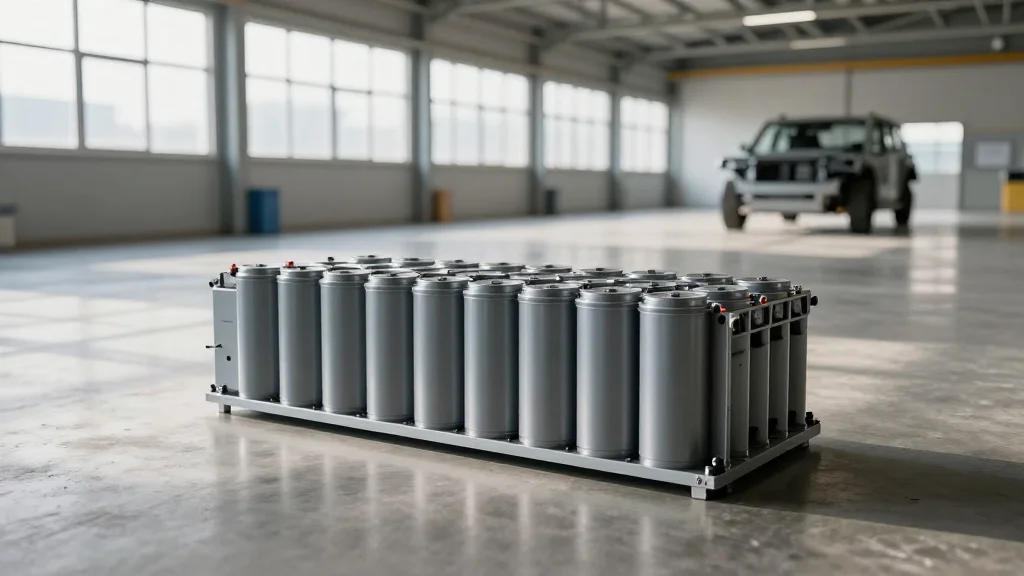
In Canada, Aborted EV Projects Raise Questions over Supply Chain Subsidies
Companies Mentioned

Why It Matters
The mismatch between massive subsidies and unfinished projects threatens taxpayer funds and jeopardizes Canada’s goal of becoming a North‑American EV battery hub, while also slowing the broader clean‑energy transition.
Key Takeaways
- •Honda suspends $8 bn EV plant, questioning $38 bn subsidies
- •Stellantis sells $3.7 bn battery stake; Northvolt project cancelled
- •Ontario backs Vianode graphite plant with $500 m loan
- •EV sales fell to 8.7% after incentive pause, hurting demand
- •Experts say charging network needed to unlock supply chain
Pulse Analysis
Canada’s EV subsidy program, now exceeding $38 bn in U.S. terms, was designed to fast‑track a minerals‑to‑autos supply chain that could rival the United States and Europe. The abrupt suspension of Honda’s Alliston plant and the sale of Stellantis’s NextStar stake expose a policy gap: large cash infusions have not translated into operational facilities. Analysts cite the OECD’s warning that Canada’s export share in batteries remains modest, and the Macdonald‑Laurier Institute’s critique that subsidies are being poured into projects without a proven domestic demand base.
Demand‑side dynamics further complicate the picture. After federal and provincial purchase incentives were halted in 2025, EV registrations dropped sharply to 8.7% of new‑car sales, a stark contrast to Norway’s 95.9% penetration. The shortfall underscores the need for a robust charging network; industry leaders argue that convenient, weather‑proof stations are essential for consumer confidence, especially in harsh Canadian winters. While hybrid sales are rising, full‑electric adoption remains limited, meaning battery manufacturers must rely on cross‑border U.S. demand and export markets to achieve scale.
Despite setbacks, the province continues to back critical‑mineral projects, such as Vianode’s $2.4 bn synthetic graphite facility and a $370 m fund for lithium, cobalt and nickel processing. These upstream investments, coupled with the $1.1 bn federal commitment to a national charging network, lay groundwork for a longer‑term ecosystem. Success will hinge on aligning policy incentives with realistic market forecasts, securing a stable North‑American customer base, and ensuring that partially built plants can be repurposed for stationary storage or other battery applications. In this context, Canada’s EV ambition remains viable, but it will likely unfold over a decade rather than the accelerated timeline originally envisioned.
In Canada, aborted EV projects raise questions over supply chain subsidies
Comments
Want to join the conversation?
Loading comments...