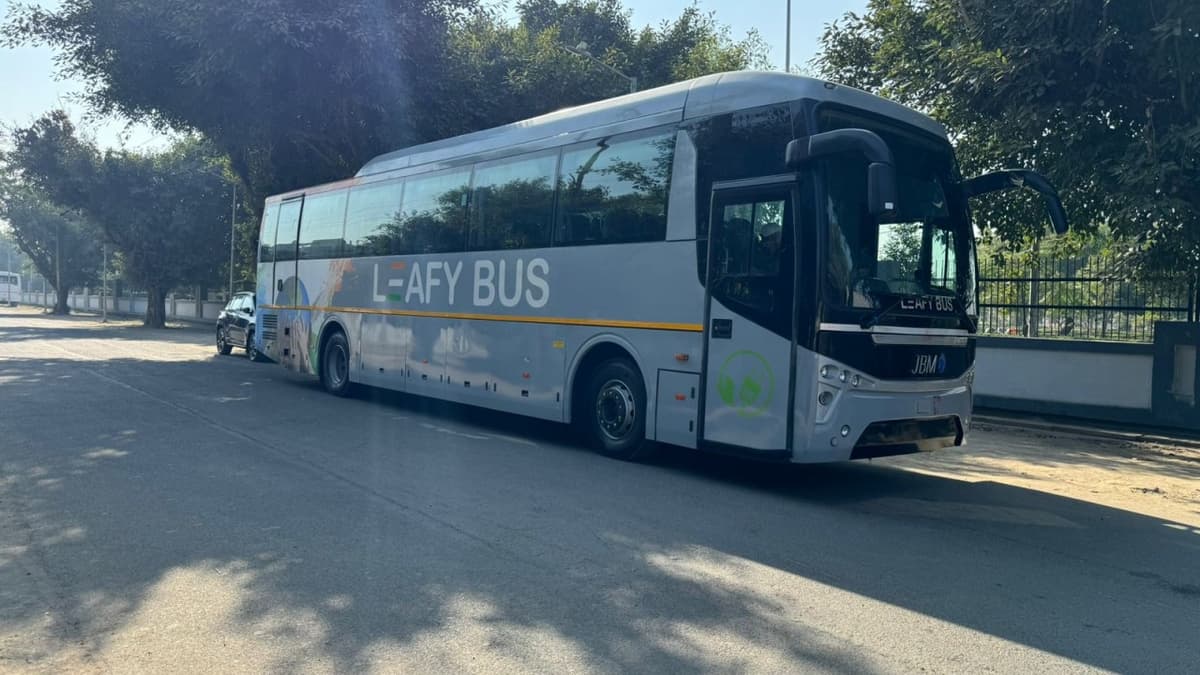
India Considers $1 Billion Incentives for Private Electric Buses and Trucks
Why It Matters
By reducing reliance on imported oil, the program could cut India's fossil‑fuel exposure and spur domestic EV manufacturing, while creating a sizable new market for commercial electric vehicles.
Key Takeaways
- •India plans >$1 bn incentives for private electric buses and trucks.
- •Ten‑year program targets 10,000‑50,000 commercial EVs, mainly inter‑city buses.
- •Up to ₹1.5 mn ($17.5k) interest subvention per vehicle offered.
- •Partial credit guarantee being explored to ease fleet financing.
- •Industry seeks charging parks, toll, tax waivers, and electricity concessions.
Pulse Analysis
India’s reliance on imported crude—about 90 % of its consumption—has become a strategic vulnerability, especially after recent supply shocks in West Asia. The government’s push to electrify its commercial transport fleet aligns with broader energy security and climate objectives, positioning electric buses and trucks as a fast‑growing segment. A dedicated incentive program signals a shift from passenger‑vehicle subsidies toward heavy‑duty applications, where fuel savings and emissions reductions are most pronounced. This policy direction also dovetails with the nation’s commitment to achieve net‑zero emissions by 2070.
The draft package earmarks over $1 billion for a decade‑long rollout, offering up to $17,500 in interest subvention per vehicle and exploring a partial credit guarantee to lower loan costs for private operators. By targeting 10,000 initial units and potentially scaling to 50,000, the scheme could catalyze a sizable order backlog for domestic manufacturers such as Tata Motors and Ashok Leyland. Ancillary requests—charging parks, toll exemptions, tax relief, and reduced electricity tariffs—aim to address total cost of ownership, making electric fleets financially competitive with diesel counterparts.
If implemented, the incentives could accelerate the transition to low‑carbon logistics, reduce India’s oil import bill, and create new jobs in battery assembly and charging infrastructure. However, the success hinges on clear subsidy criteria, timely disbursement, and coordination among lenders, guarantee providers, and vehicle makers. International investors are watching closely, as a robust commercial‑EV market could unlock further financing and technology partnerships, reinforcing India’s role in the global electric‑mobility supply chain.
India considers $1 billion incentives for private electric buses and trucks
Comments
Want to join the conversation?
Loading comments...