Japan’s Vehicle Sales Rise by 9% in April
Companies Mentioned
Why It Matters
The rebound in light‑truck demand signals shifting consumer and business priorities amid Japan’s sluggish economy, reshaping automakers’ product strategies. Declining passenger‑vehicle sales and foreign‑brand share highlight competitive pressures and the need for innovation in a cost‑sensitive market.
Key Takeaways
- •April 2026 vehicle registrations up 9.1% YoY to 373,952 units
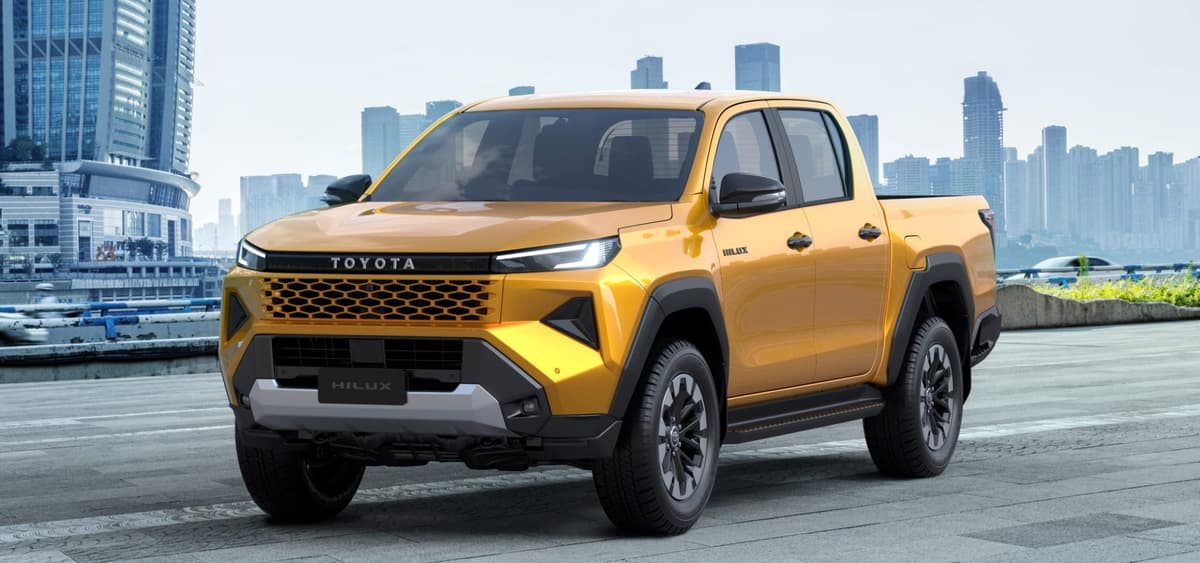
- •Light‑truck sales jump 33%, driving overall market growth
- •Passenger‑vehicle sales dip 2.3% despite overall increase
- •Toyota leads with 1% YTD sales rise; Daihatsu up 13%
- •Overseas brands fall 7%, now 4% of Japan market share
Pulse Analysis
Japan’s auto sector is navigating a paradox of modest overall growth and stark segment divergence. While the country’s GDP barely expanded 0.2% in Q4 2025, the April 2026 surge in vehicle registrations reflects a localized rebound, primarily fueled by commercial‑vehicle demand. Light‑truck sales exploded 33%, a response to renewed factory activity and businesses replenishing fleets after earlier production hiccups. This uptick underscores how supply‑chain resilience and freight‑logistics needs can offset weak consumer sentiment, offering a lifeline to manufacturers that can pivot quickly to commercial models.
For legacy automakers, the data reinforces the importance of a balanced portfolio. Toyota’s 1% year‑to‑date sales increase, buoyed by strong commercial‑vehicle performance, contrasts with a 2.8% dip in its passenger‑car segment. Daihatsu’s 13% rise, driven by a 30% jump in truck sales, highlights the upside potential for niche players that specialize in utility vehicles. Conversely, brands like Suzuki, Honda, and Nissan faced double‑digit declines, suggesting that reliance on passenger‑car volumes alone is increasingly risky in a market where consumers prioritize practicality and cost efficiency.
Looking ahead, GlobalData projects a modest 2% decline in light‑vehicle sales for 2026, followed by a slight rebound in 2027. The shrinking 4% share of overseas brands, down 7% year‑to‑date, signals mounting challenges for foreign manufacturers competing on price and brand perception. Domestic players may double down on hybrid and electric truck offerings to capture eco‑conscious logistics firms, while foreign entrants might need to localize production or form strategic alliances to regain relevance. In a sluggish economy, agility and a focus on commercial‑vehicle innovation will likely dictate market leadership in Japan’s evolving automotive landscape.
Japan’s vehicle sales rise by 9% in April
Comments
Want to join the conversation?
Loading comments...