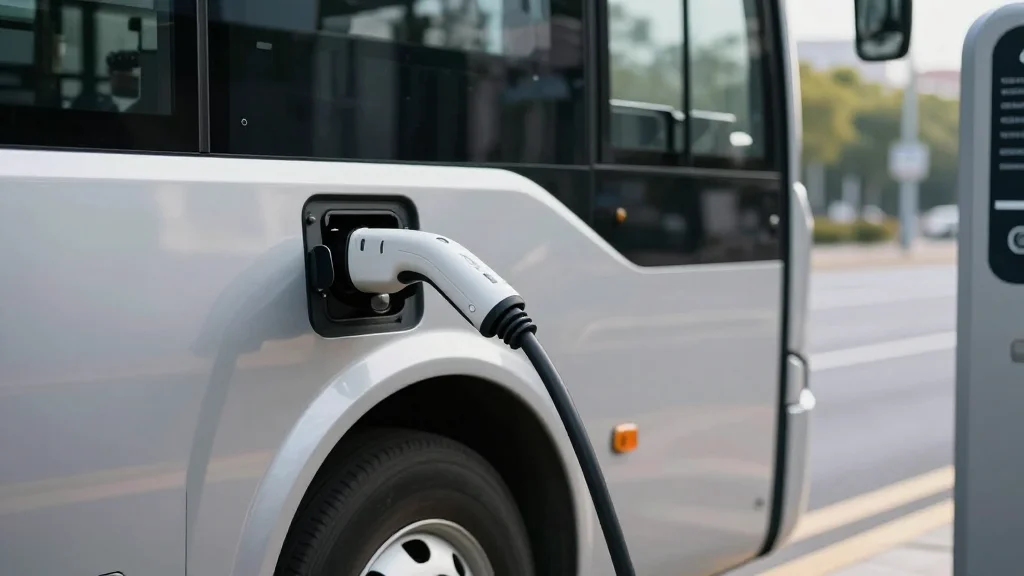
Maharashtra Targets Fully Electric MSRTC Fleet by 2047, Pushes Charging Network
Why It Matters
The plan positions Maharashtra as a leading Indian market for electric public transport, accelerating demand for e‑bus manufacturers and charging infrastructure while reducing urban emissions. Successful execution could serve as a template for other states seeking rapid EV adoption in mass transit.
Key Takeaways
- •MSRTC aims 50% electric buses by 2029, 100% by 2047
- •Fleet to grow to 22,000 buses within three years
- •State offers up to ₹20 lakh ($24k) subsidy per e‑bus
- •5,150 e‑buses procured under wet‑lease model now
- •AI tools will optimize routes, charging and scheduling
Pulse Analysis
Maharashtra’s "Viksit Maharashtra" vision marks a decisive shift toward electrified mass transit, aligning with India’s broader climate commitments and the global push for zero‑emission public transport. By 2029, half of the state’s 14,500‑bus fleet will run on electricity, scaling to a full 22,000‑bus network by 2047. This timeline is ambitious, but it leverages a sizable procurement program that already earmarks 5,150 e‑buses under a wet‑lease arrangement, providing manufacturers with a predictable demand pipeline and investors with clear revenue prospects.
The success of the rollout hinges on parallel development of a robust charging ecosystem. Maharashtra’s policy offers a 10% subsidy or up to ₹20 lakh (about $24,000) per bus, lowering capital costs for operators and encouraging early adoption. State officials have mandated rapid deployment of charging stations tied to depot readiness, ensuring that each new e‑bus can be commissioned within seven days of delivery. Coupled with AI‑driven route optimization, these measures aim to minimize downtime, balance energy loads, and maximize vehicle utilization, creating an operational model that other Indian states may emulate.
Beyond environmental benefits, the initiative unlocks significant commercial opportunities. Battery manufacturers, charger installers, and software firms stand to gain from a multi‑billion‑dollar market that will unfold over the next two decades. However, challenges remain, including grid capacity, supply‑chain reliability for batteries, and the need for skilled maintenance crews. If Maharashtra can navigate these hurdles, it will not only reduce urban air pollution but also cement its role as a testbed for scalable, data‑rich electric mobility solutions across the country.
Maharashtra targets fully electric MSRTC fleet by 2047, pushes charging network
Comments
Want to join the conversation?
Loading comments...