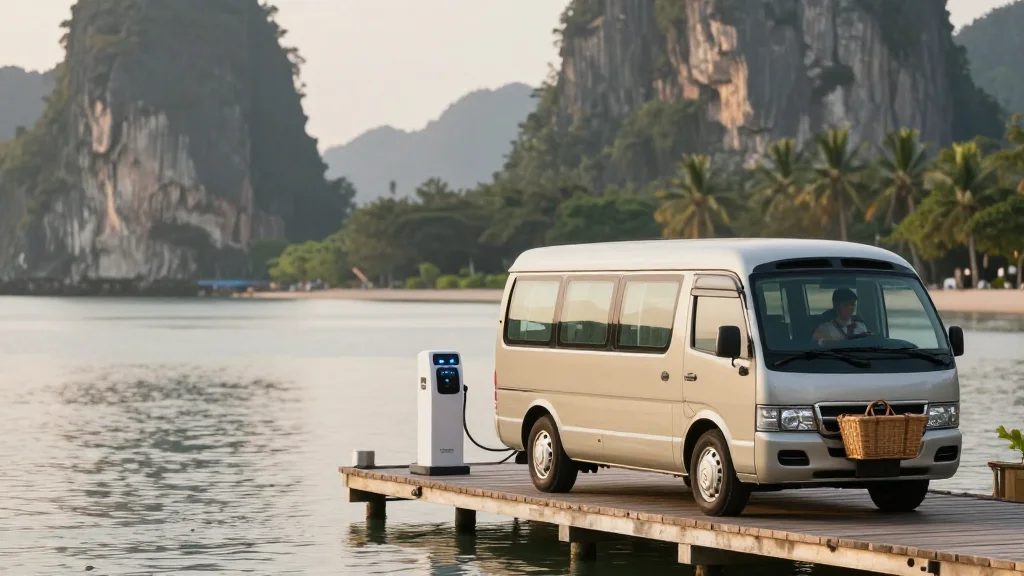
Malaysia Needs a Coordinated National Strategy to Accelerate EV Adoption in the Tourism Sector – MATTA
Companies Mentioned
Why It Matters
A unified policy framework can unlock scalable EV adoption in tourism, reducing emissions and enhancing Malaysia’s competitiveness as a green destination. Coordinated incentives and infrastructure will lower barriers for operators, driving economic and environmental benefits.
Key Takeaways
- •Malaysia lacks unified EV policy for tourism sector
- •Coordinated incentives boost fleet electrification, as seen in Norway
- •Charging gaps at tourist hotspots hinder adoption
- •Government-linked firms urged to lead by example
Pulse Analysis
Malaysia’s broader EV push has largely focused on passenger cars, leaving the tourism sector under‑served despite its high mileage and visibility. Operators of hotel shuttles, sightseeing buses, and rental fleets face three core challenges: sparse charging stations at popular destinations, limited financing options for fleet conversion, and unclear regulatory incentives. The Low Carbon Mobility Blueprint 2021‑2030 outlines a roadmap for 7,000 AC and 500 DC chargers nationwide, yet implementation remains piecemeal, especially along highways and in heritage sites where tourists congregate. Without a cohesive strategy, the sector risks falling behind regional competitors that are already showcasing electric mobility.
International examples illustrate the power of coordinated policy. Norway’s generous purchase rebates, zero‑emission zone mandates, and a publicly funded charging network propelled EVs to dominate rental and shuttle services within a decade. China’s state‑driven rollout of electric buses and taxis, backed by subsidies and mandated charging infrastructure, transformed urban mobility and set a template for large‑scale fleet electrification. European cities such as Amsterdam and Paris combined low‑emission zones with targeted grants for tourism operators, creating a virtuous cycle of demand and infrastructure investment. These cases underscore that incentives alone are insufficient; they must be paired with clear, long‑term planning across energy, transport, and tourism ministries.
For Malaysia to capture similar benefits, a whole‑of‑government task force should align the Ministry of Tourism, Energy, and Transport around a single EV tourism agenda. Targeted subsidies—such as tax exemptions on electric fleet purchases and reduced electricity tariffs for charging stations at tourist hotspots—would lower upfront costs. Public‑private partnerships could fast‑track the deployment of fast‑chargers along popular routes, while government‑linked companies adopt EVs in their own operations to demonstrate viability. By delivering policy certainty and scaling infrastructure, Malaysia can position itself as a green tourism leader in Southeast Asia, attracting eco‑conscious travelers and stimulating new investment streams.
Malaysia needs a coordinated national strategy to accelerate EV adoption in the tourism sector – MATTA
Comments
Want to join the conversation?
Loading comments...