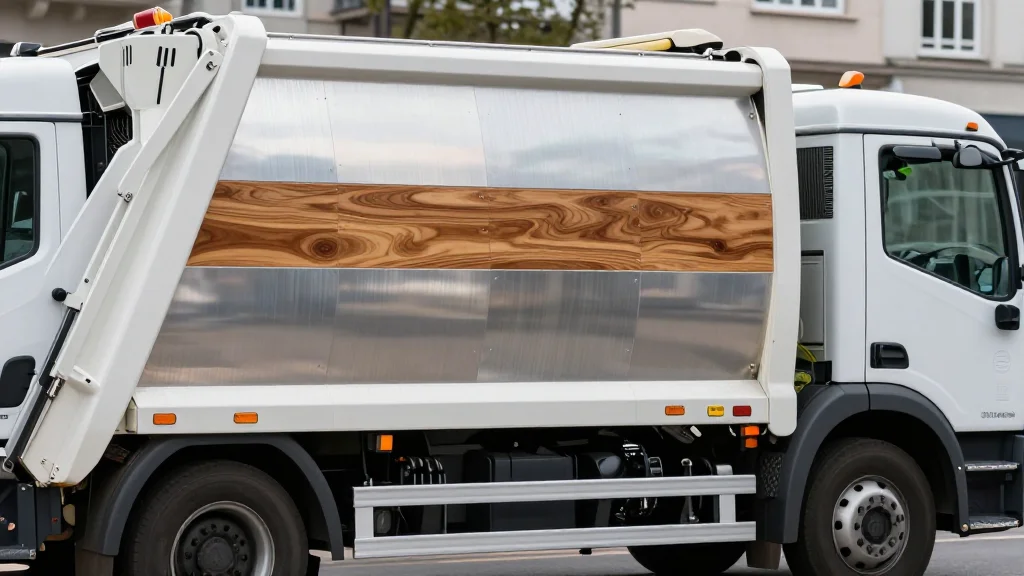
Mercedes-Benz’s reECONIC Electric Truck Concept Demonstrates the Use of Recycled Materials
Companies Mentioned
Why It Matters
The truck proves large‑scale circular material use is feasible for heavy‑duty EVs, potentially reshaping supply chains and reducing lifecycle emissions. It also highlights the tension between corporate green claims and policy advocacy that could affect the pace of electrification.
Key Takeaways
- •80% of truck built from recycled or bio‑based materials
- •88% recycled steel in side members; axle housing 97% recycled
- •Retreaded tires boost recycled content to 80% after first use
- •Wood components absorb CO₂, replacing petroleum‑based plastics
- •Real‑world testing begins H2 2026, targeting series production
Pulse Analysis
The reECONIC concept marks a rare convergence of electric propulsion and high‑volume circular material use in the commercial‑vehicle sector. By substituting up to 80 percent of the chassis, body panels and interior with recycled steel, aluminum, plastics and even beech wood, Mercedes‑Benz Trucks demonstrates that a heavy‑duty truck can be built without sacrificing structural integrity. This approach aligns with broader industry moves toward carbon‑neutral manufacturing, where the embodied emissions of raw materials often eclipse those of vehicle operation. If the concept proves viable in real‑world trials, it could set a new benchmark for sustainable truck design.
Key to the project’s material strategy is the partnership network of 33 suppliers, each contributing specialized recycling technologies. The side members employ electric‑arc‑furnace steel that contains 88 percent recycled content, while the axle housing reaches 97 percent. Aluminum extrusions for the cab frame are sourced with at least 75 percent post‑consumer scrap, and the fenders are 92 percent recycled plastic. Retreaded tires and glass with 64 percent recycled content further shrink the vehicle’s virgin‑material footprint, translating into measurable reductions in lifecycle CO₂ emissions and waste.
While the engineering narrative is compelling, the commercial rollout will hinge on regulatory and market forces. Daimler’s public sustainability commitments contrast with its recent lobbying alongside Volvo and Traton to relax emissions standards in the U.S. and Europe, a move that could delay broader EV adoption. Nevertheless, the reECONIC’s scheduled testing in the second half of 2026 signals an intent to move from prototype to production, potentially influencing fleet operators seeking greener waste‑collection solutions. Success could accelerate circular‑material standards across the heavy‑truck industry, reshaping procurement and compliance strategies.
Mercedes-Benz’s reECONIC electric truck concept demonstrates the use of recycled materials
Comments
Want to join the conversation?
Loading comments...