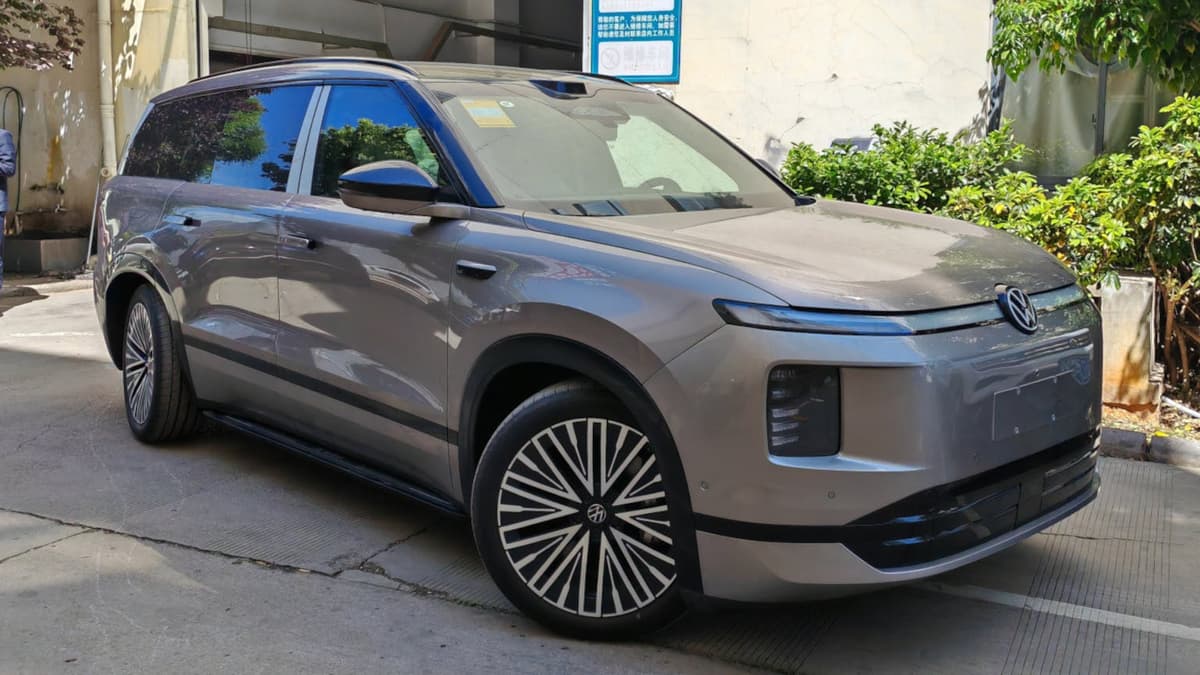
More Extended-Range EVs Soon to Hit the Road
Why It Matters
EREVs give manufacturers a pragmatic bridge to full electrification, expanding appeal in markets where charging infrastructure lags and boosting sales potential across China, Europe, and North America.
Key Takeaways
- •Renault's RGEV platform offers 1,400 km total range with extender
- •VW's ID. Era 9X adds 700 km extra range via 1.5 L generator
- •800‑V fast‑charging enables up to 750 km electric range
- •Up to 15 EREVs expected in U.S. by 2028
- •Compact 1.5‑L generator fits in frunk, adding 500 miles
Pulse Analysis
Extended‑range electric vehicles are emerging as a strategic compromise between pure battery electric cars and traditional internal‑combustion models. By using a small, efficient gasoline engine solely as a generator, EREVs keep battery size—and thus vehicle weight—manageable while still offering long‑distance capability. This architecture addresses the most persistent barrier to EV adoption: range anxiety, especially in regions where fast‑charging networks remain sparse. As automakers refine generator efficiency and integrate high‑voltage (800‑V) architectures, the cost and emissions gap with conventional hybrids continues to narrow.
Renault’s RGEV medium 2.0 platform exemplifies the next wave of EREV ambition. Leveraging its futuREady roadmap, the French group aims to launch models that can travel up to 1,400 km on a single tank‑plus‑battery cycle, with 800‑V fast‑charging delivering up to 750 km of pure electric range. The partnership with Geely’s Horse Powertrain Limited introduces a suitcase‑sized 1.5‑liter generator that slots into the vehicle’s frunk, effectively extending range by roughly 500 miles without sacrificing cargo space. This modular approach allows Renault to scale the technology across its planned 36‑model electrified portfolio, targeting 100 % electrified sales in Europe by 2030.
Volkswagen’s ID. Era 9X takes the EREV concept to the Chinese mass market, where long trips and limited home‑charging options remain common. Built by the VW‑SAIC joint venture, the full‑size SUV pairs a Miller‑cycle 1.5‑L engine with either a single or dual‑motor setup, delivering up to 510 hp and a combined 1,000 km+ driving envelope. The use of lithium‑iron‑phosphate batteries and advanced driver‑assist LiDAR underscores VW’s intent to blend sustainability with premium features. If the Chinese rollout proves successful, the model could serve as a template for North American and European releases, accelerating the broader industry shift toward EREVs as a transitional step toward full electrification.
More Extended-Range EVs Soon to Hit the Road
Comments
Want to join the conversation?
Loading comments...