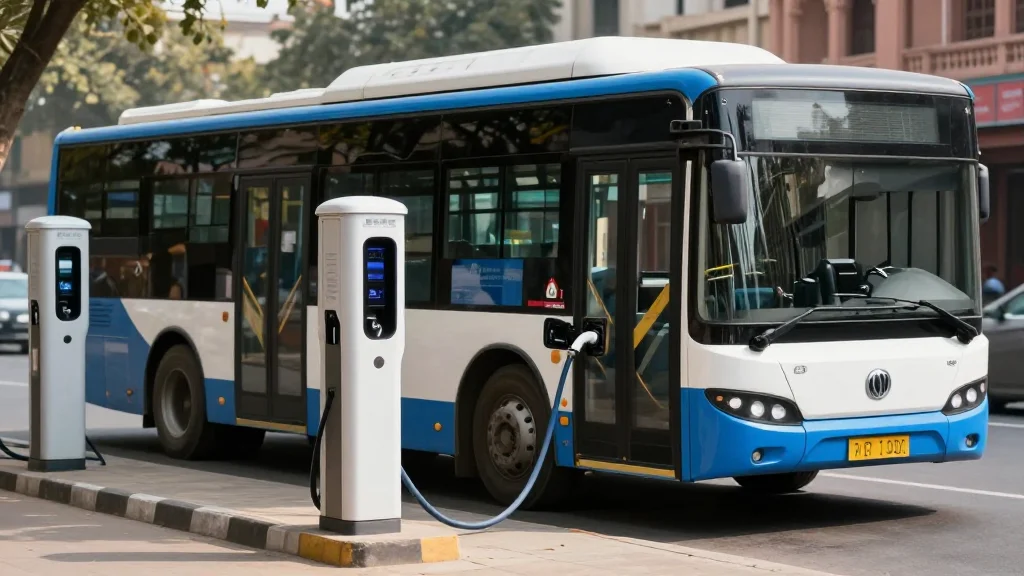
MSRTC Plans E-Bus Fleet Expansion, but Charging Infrastructure Lags
Why It Matters
The disparity between rapid e‑bus growth and limited charging capacity threatens operational reliability and could delay Maharashtra’s broader EV transition, affecting both public transport efficiency and private EV adoption.
Key Takeaways
- •MSRTC operates 738 e‑buses, targeting 2,300 by FY27‑28
- •Only 39 charging stations exist; 600 more planned
- •Tender for 600 stations to be finalized next month
- •Full fleet of 16,000 buses aims for e‑conversion by 2035
- •PPP model will open stations to public EV charging
Pulse Analysis
India’s push toward electric mobility has found a flagship in Maharashtra’s public transport, where MSRTC’s aggressive e‑bus rollout reflects both policy ambition and market demand. By the close of FY 2026‑27 the corporation expects to more than triple its electric fleet, positioning the state as a leader among Indian transit agencies. This surge aligns with national incentives for zero‑emission vehicles and the growing environmental expectations of commuters, creating a compelling case study for other regional operators.
However, the rapid fleet expansion collides with a stark shortage of charging infrastructure. With just 39 stations in operation, MSRTC’s plan to install over 600 new points under a public‑private partnership is critical. The tender, slated for finalisation next month, will dictate the speed and quality of deployment. By allowing public EVs to use the same stations during off‑peak bus hours, the initiative promises ancillary revenue streams and broader network effects, yet it also raises questions about grid capacity, site selection, and the ability of private partners to meet stringent uptime requirements.
The outcome will reverberate beyond Maharashtra’s borders. Investors monitoring India’s EV ecosystem will watch the PPP model’s execution as a barometer for scalability in other states. Successful integration could accelerate private charging roll‑outs, lower total cost of ownership for EV owners, and reinforce government commitments to decarbonize transport by 2035. Conversely, delays may prompt policy recalibrations, urging faster public investment or alternative charging solutions such as depot‑based fast chargers. Stakeholders—from bus manufacturers to utility firms—must therefore align strategies with the evolving infrastructure timeline to capture the market’s next growth wave.
MSRTC plans e-bus fleet expansion, but charging infrastructure lags
Comments
Want to join the conversation?
Loading comments...