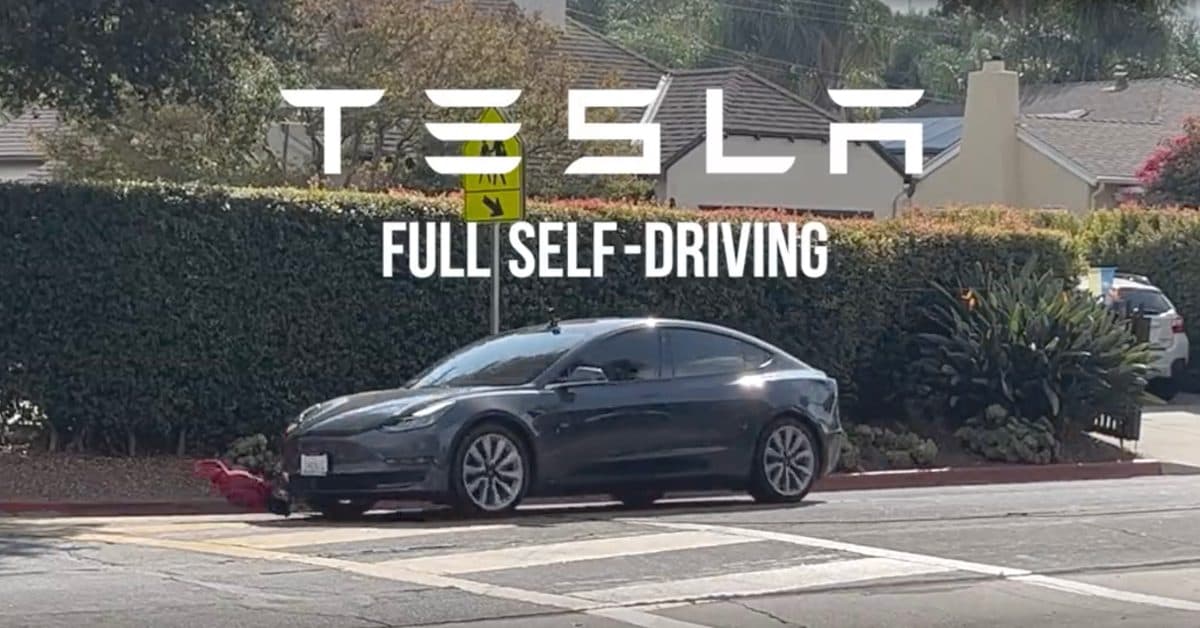
Musk Falsely Claims Tesla FSD Is 10X Safer than Humans, Complains About Lawsuits
Companies Mentioned
Why It Matters
The discrepancy erodes investor confidence and invites regulatory scrutiny while litigation risk threatens Tesla's revenue from FSD subscriptions and its autonomous‑driving roadmap.
Key Takeaways
- •Tesla's 10× safety claim lacks supporting data.
- •Vehicle Safety Report compares mismatched road, vehicle, driver baselines.
- •Lawsuits allege FSD caused crashes, not just unavoidable accidents.
- •Independent analyses find no proven safety advantage for FSD.
- •Tesla's transparency gap contrasts with Waymo's published safety metrics.
Pulse Analysis
Tesla’s bold assertion that its Full Self‑Driving software is ten times safer than a human driver has sparked intense debate among analysts. The company’s quarterly Vehicle Safety Report pits FSD miles—mostly on highways—against a national crash average that blends highways, city streets and rural roads, skewing the comparison in Tesla’s favor. Moreover, Tesla counts only airbag‑deploying collisions, while the NHTSA baseline includes all police‑reported crashes, creating a denominator mismatch that inflates the perceived safety margin. In contrast, competitors such as Waymo publish peer‑reviewed safety studies that match vehicle miles on identical road types, offering a clearer benchmark for regulators and insurers.
The legal front adds another layer of complexity. Recent lawsuits allege that FSD not only failed to prevent accidents but actively contributed to them through perception errors, phantom braking, or delayed disengagements. Plaintiffs argue that Tesla’s marketing of "Full Self‑Driving" encouraged drivers to over‑rely on a system that was not yet capable of full autonomy, turning system failures into product liability claims. This framing challenges Musk’s narrative that lawsuits are merely the cost of saving the majority of lives, highlighting a growing risk that litigation could erode consumer trust and pressure the company to adjust its pricing or defer revenue recognition from FSD subscriptions.
For the broader autonomous‑vehicle industry, the episode underscores the urgent need for standardized, transparent safety metrics. Regulators are likely to demand comparable data across manufacturers, pushing firms toward the level of disclosure that Waymo already provides. Tesla could mitigate scrutiny by releasing detailed disengagement rates, crash severity breakdowns, and road‑type‑specific mileage. Such transparency would not only bolster its market positioning but also provide investors with a more reliable gauge of the long‑term viability of its autonomous‑driving ambitions.
Musk falsely claims Tesla FSD is 10X safer than humans, complains about lawsuits
Comments
Want to join the conversation?
Loading comments...