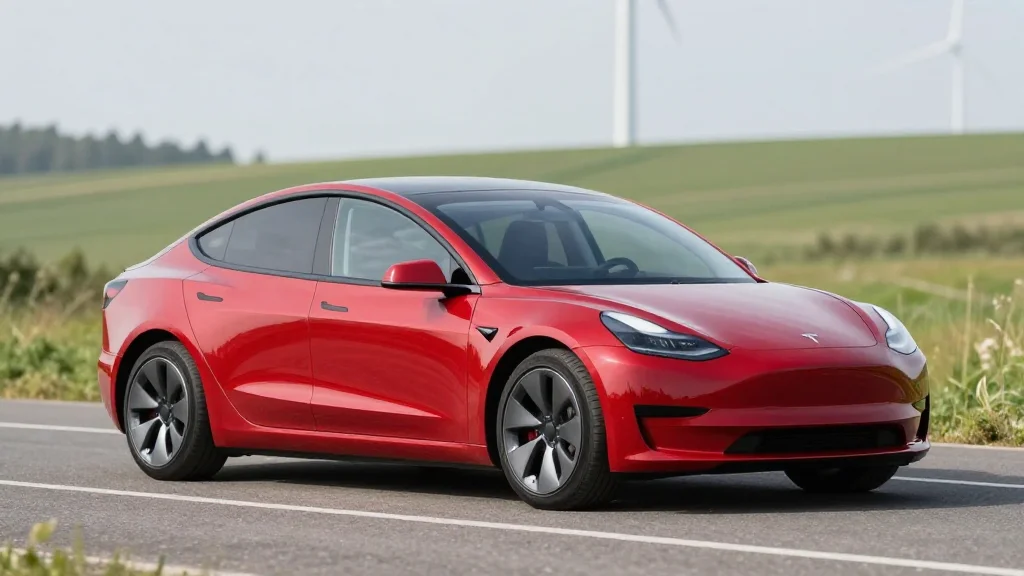
New Faster, Cheaper Tesla Model to Come with New LFP Battery Pack
Companies Mentioned
Why It Matters
The new LFP‑powered Model 3 shows Tesla can cut costs while boosting performance, pressuring rivals and setting a template for future global rollouts. Its pricing advantage could reshape demand dynamics in mature EV markets like Australia and the U.S.
Key Takeaways
- •Tesla's new Canadian Model 3 starts under A$43,000 (~$28k USD).
- •62.5 kWh LFP pack from Sunwoda boosts 0‑100 km/h to 5.2 seconds.
- •EPA range reaches 463 km, exceeding 500 km WLTP rating.
- •Australian Model 3 Premium RWD remains $36.9k USD, $12k higher.
Pulse Analysis
Tesla’s decision to launch a sub‑$30k USD Model 3 in Canada reflects a broader shift toward cost‑efficient battery chemistry. By partnering with Sunwoda Electronics for a 62.5 kWh LFP pack, Tesla sidesteps the higher‑cost nickel‑cobalt chemistry while still delivering a sub‑6‑second sprint. The move mirrors earlier LFP adoptions in China and Europe, but the Canadian rollout is notable for its aggressive pricing and performance gains, signaling that LFP can meet both range and speed expectations for mainstream buyers.
The performance envelope of the new Model 3 is compelling: a 5.2‑second 0‑100 km/h launch and a top speed of 201 km/h place it ahead of many internal‑combustion rivals and even some premium EVs. Its EPA‑rated 463 km (about 288 miles) range comfortably exceeds the WLTP‑based 500 km figure used in Australia, highlighting the efficiency advantage of the LFP chemistry under real‑world conditions. For consumers, the combination of lower purchase price and higher utility strengthens Tesla’s value proposition, especially as fuel prices rise and governments tighten emissions standards.
If Tesla replicates this LFP strategy beyond Canada, markets such as Australia could see a price correction for the Model 3 Premium RWD, currently listed at A$55,900 (≈$36,900 USD). A $12k USD price differential may force competitors like BYD and Hyundai to accelerate their own cost‑reduction programs. Moreover, the shift to a new supplier diversifies Tesla’s supply chain, reducing reliance on CATL and potentially improving margins. Analysts will watch closely for announcements on broader rollout, as the LFP‑based Model 3 could become the new baseline for Tesla’s global mid‑size EV offering.
New faster, cheaper Tesla model to come with new LFP battery pack
Comments
Want to join the conversation?
Loading comments...