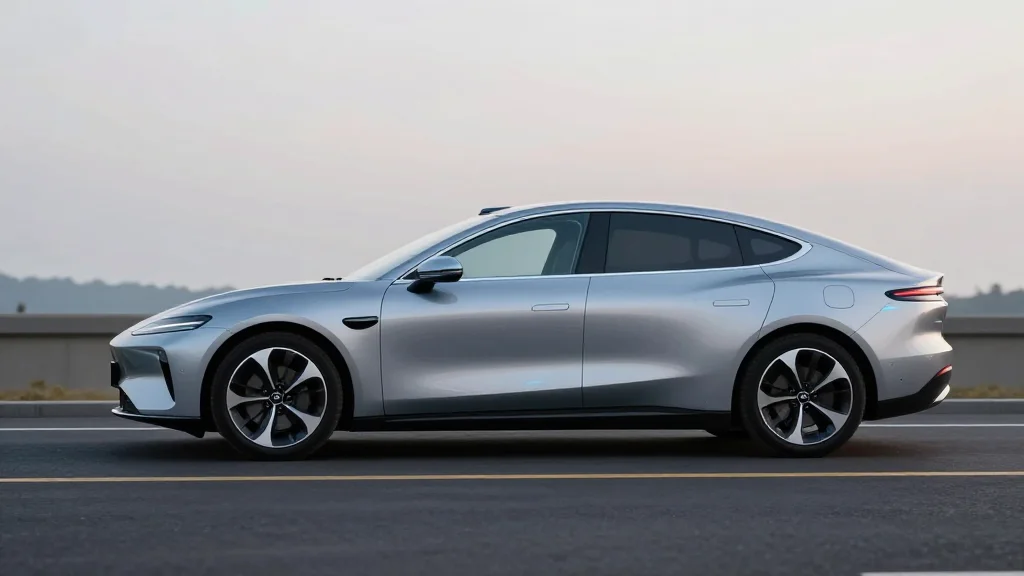
Nissan Cancels 2 Electric SUVs Planned for the US Market
Companies Mentioned
Why It Matters
The shift signals a broader industry retreat from aggressive EV rollouts toward more cost‑effective hybrid solutions, reshaping the competitive landscape and Nissan's profitability outlook in the United States.
Key Takeaways
- •Nissan cancels two US EV SUVs, ending Mississippi production plans.
- •$500M plant investment now redirected to hybrid and extended‑range models.
- •Strategy pivots to e‑Power hybrids, targeting 1M US sales by 2030.
- •Industry-wide EV program cuts follow 2025 federal tax credit expiration.
- •New Rogue hybrid will compete in midsize SUV segment.
Pulse Analysis
Nissan’s decision to cancel the two electric SUVs underscores how quickly automakers must adapt to shifting market dynamics. The $500 million Mississippi plant upgrade, once heralded as a cornerstone of Nissan’s U.S. EV push, is now being repurposed for hybrid and extended‑range powertrains. By emphasizing e‑Power technology, Nissan aims to deliver an electric‑like driving feel while avoiding the high capital costs and uncertain demand that have plagued pure‑EV projects since the federal tax credit lapsed at the end of 2025.
The broader industry context reinforces Nissan’s pivot. Ford, GM, Stellantis and Honda have all announced sizable EV program cancellations or delays, citing billions in write‑downs and a steep decline in consumer uptake after the tax credit expiration. These moves reflect a collective reassessment of the profitability timeline for full‑electric models, especially in segments where battery costs remain high and charging infrastructure lags. As a result, many manufacturers are reallocating capital toward plug‑in hybrids and extended‑range vehicles that can bridge the gap between internal‑combustion familiarity and electrified performance.
For Nissan, the new focus translates into a concrete product rollout: the upcoming Rogue hybrid, built on the next‑generation e‑Power system, will target the fiercely contested midsize SUV market. Coupled with a strategic goal of selling one million units in the U.S. by 2030, the company hopes to leverage its strong manufacturing footprint and brand loyalty to capture growth without the financial strain of full EV development. This approach may set a precedent for other legacy automakers seeking a balanced path to electrification while safeguarding short‑term earnings.
Nissan cancels 2 electric SUVs planned for the US market
Comments
Want to join the conversation?
Loading comments...