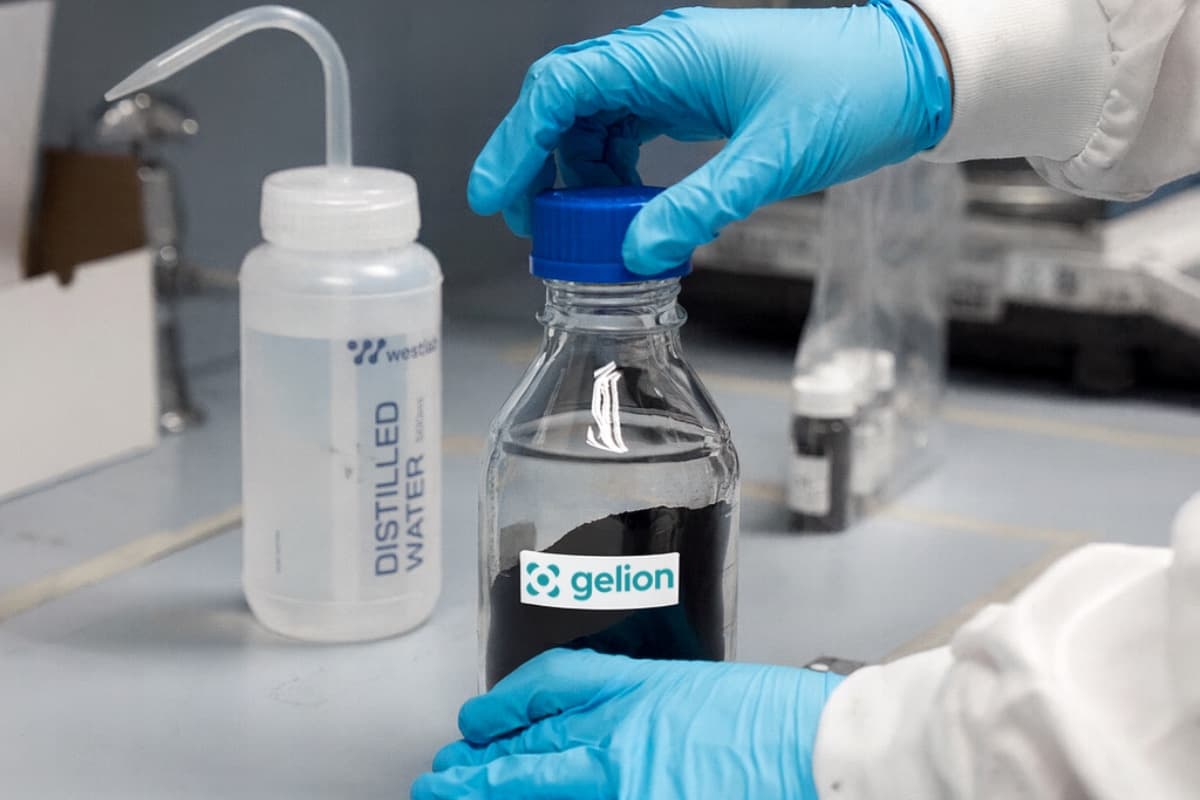
Nissan Collaborates with Partners on Sulphur-Based Solid-State Battery Research
Companies Mentioned
Why It Matters
A breakthrough solid‑state Li‑S battery could lower EV costs while boosting range and durability, accelerating mass‑market adoption of electric vehicles. The project’s public‑private funding model showcases how strategic investment can fast‑track disruptive energy technologies.
Key Takeaways
- •Nissan, Oxford, Gelion launch £3.4M solid‑state Li‑S battery project.
- •Gelion’s nano‑encapsulated sulphur cathode aims to cut battery costs.
- •Public funding covers two‑thirds of the £3.4M budget.
- •Project targets higher energy density, power, and lifespan for EVs.
- •Success could accelerate solid‑state battery commercialization in automotive sector.
Pulse Analysis
Solid‑state batteries promise safety and energy advantages over conventional lithium‑ion cells, yet high material costs and limited cycle life have stalled large‑scale rollout. Lithium‑sulphur chemistry, with its theoretical energy density exceeding that of nickel‑based cathodes, suffers from polysulphide shuttling that erodes performance. By marrying solid‑state electrolytes with a sulphur cathode, researchers aim to eliminate liquid‑electrolyte drawbacks while unlocking the lightweight, low‑cost benefits of sulphur, potentially reshaping the EV powertrain landscape.
The CoRe‑SoLiS consortium leverages Gelion’s nano‑encapsulated sulphur (NES) technology, which packages sulphur particles in a protective matrix to suppress polysulphide formation. Nissan’s Technical Centre Europe contributes its solid‑state expertise, while Oxford provides advanced materials modelling. Backed by £2.4 million of UK government funding, the project seeks to demonstrate a drop‑in cathode that can be adopted within existing solid‑state production lines, reducing the need for costly retooling. Early targets include achieving charging rates comparable to current fast‑charge lithium‑ion systems and extending cycle life beyond 1,000 full charges.
If the partnership validates its performance claims, the ripple effects could be substantial. Automakers would gain a pathway to cheaper, higher‑energy batteries, accelerating EV price parity with internal‑combustion vehicles. The UK’s involvement strengthens its position as a European battery R&D hub, attracting further private investment and talent. Moreover, the technology’s scalability hints at broader applications in grid storage, where cost‑effective, long‑lasting batteries are critical for renewable integration. Successful scale‑up could therefore catalyze both automotive decarbonisation and the transition to a resilient, low‑carbon energy system.
Nissan collaborates with partners on sulphur-based solid-state battery research
Comments
Want to join the conversation?
Loading comments...