Nissan Drops Plan to Build Drive Units for EVs in Britain
Why It Matters
The cancellation removes a potential boost to the UK’s EV supply chain and signals Nissan’s tighter cost controls as it reshapes its global manufacturing footprint.
Key Takeaways
- •Nissan cancels Sunderland drive‑unit plant scheduled for 2026
- •Jacto Ltd was to supply powertrains for Leaf and Juke
- •UK loses prospective jobs and local EV component investment
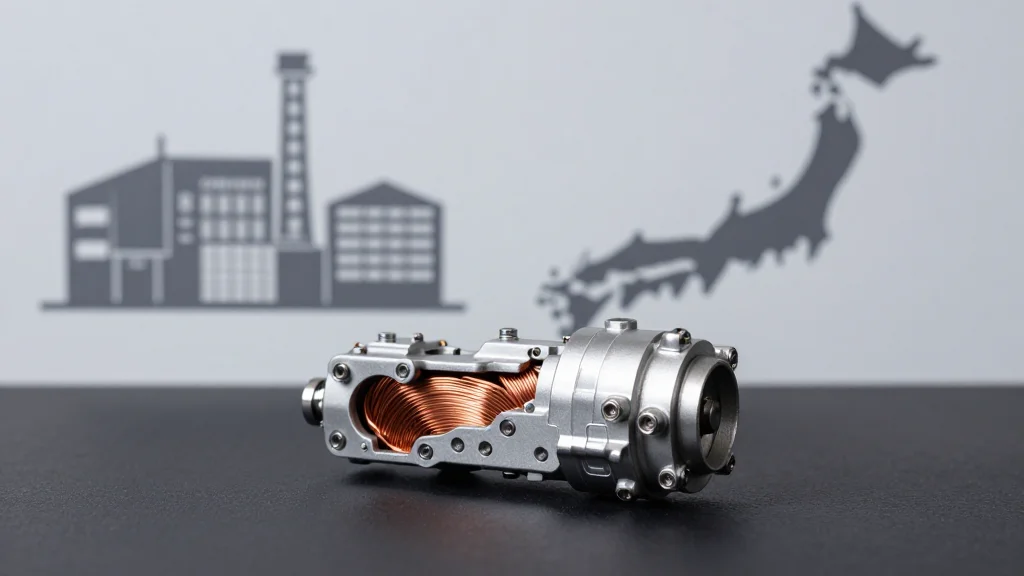
- •Nissan will import drive units from Japan, raising logistics costs
- •Decision reflects broader production review amid global EV slowdown
Pulse Analysis
Nissan’s withdrawal from the Sunderland drive‑unit project underscores a strategic pivot as the automaker grapples with uneven electric‑vehicle demand worldwide. The British plant, envisioned as a hub for supplying powertrains to the Leaf and the next‑generation Juke, would have anchored Nissan’s European EV ambitions and created a localized supply chain. By reverting to Japanese‑made units, Nissan avoids the capital outlay of a new factory but forfeits the opportunity to embed itself deeper in the UK’s burgeoning green‑mobility ecosystem.
For the United Kingdom, the setback is more than a lost factory; it curtails expected job creation and diminishes the country’s goal of becoming a hub for EV component manufacturing. The Sunderland region had anticipated hundreds of skilled positions and ancillary business growth, while policymakers hoped the project would complement the UK’s generous EV incentives and infrastructure rollout. The cancellation may also temper investor confidence in the UK’s ability to attract large‑scale automotive investments, prompting a reassessment of incentive packages and supply‑chain resilience strategies.
Across the industry, Nissan’s move mirrors a broader trend of automakers re‑evaluating overseas production amid volatile demand, rising material costs, and tightening margins. While some rivals double down on regional factories to meet local content rules, Nissan appears to prioritize flexibility, leveraging its existing Japanese expertise to service global markets. The decision highlights the delicate balance between cost efficiency and market proximity, a dynamic that will shape the next wave of EV rollouts and the competitive landscape for years to come.
Nissan drops plan to build drive units for EVs in Britain
Comments
Want to join the conversation?
Loading comments...