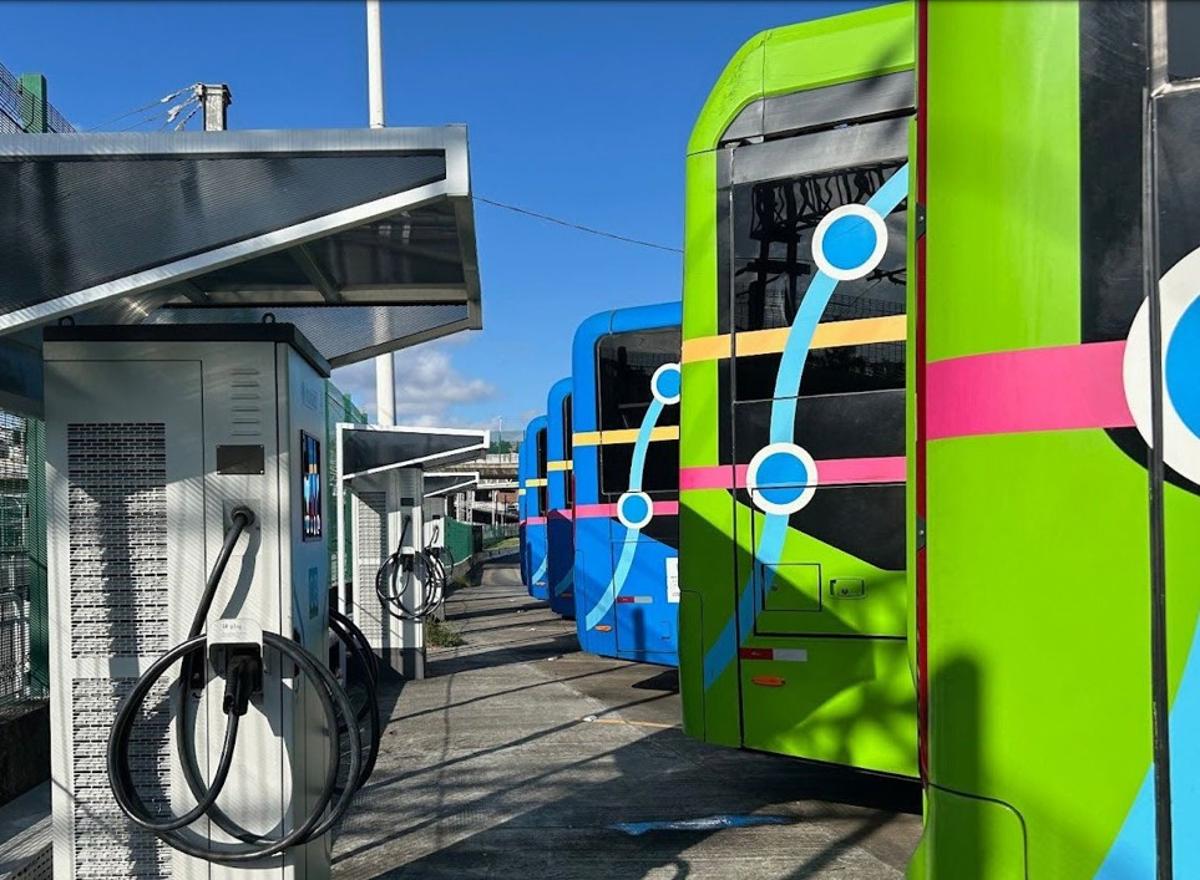
Now Is Moment to Electrify Brazil’s Urban Buses
Why It Matters
Electrifying Brazil’s bus fleet could slash national emissions, improve air quality, and position the country as a climate leader ahead of COP30.
Key Takeaways
- •Brazil’s urban buses emit 69% of transport sector GHG emissions.
- •Santiago, Chile, leads Latin America with the region’s largest e‑bus fleet.
- •COP30 in Brazil heightens urgency to meet 2035 67% emissions reduction goal.
- •Electric bus technology is mature and cost‑competitive with diesel alternatives.
- •Accelerated bus electrification can unlock health benefits and attract green financing.
Pulse Analysis
Electric buses have moved from pilot projects to mainstream deployment across Europe, Asia and North America, proving that the technology is ready for large‑scale adoption. Advances in battery energy density, falling pack prices and proven total‑cost‑of‑ownership models now allow operators to replace diesel fleets without sacrificing reliability. Cities that have embraced e‑buses report lower operating expenses, reduced noise, and immediate improvements in local air quality. As a result, many governments are incorporating bus electrification into their climate action plans, treating it as a cornerstone of sustainable urban transport.
In Brazil, the stakes are especially high. Urban buses carry the majority of commuters and are responsible for roughly 69% of the transport sector’s greenhouse‑gas output, making them the single largest source of city‑level emissions. The country’s commitment under the Paris Agreement—to cut national emissions by up to 67% by 2035—means that the bus fleet must undergo a rapid transformation. Hosting COP30 this year adds political pressure and provides a platform to showcase progress. Yet financing gaps, fragmented procurement processes, and a legacy of diesel‑centric infrastructure have slowed momentum.
Turning the tide will require coordinated action between federal, state and municipal authorities, as well as private investors. International climate funds, green bonds and Brazil’s own development banks can offer low‑cost capital tied to emissions‑reduction milestones. Deploying standardized charging stations and integrating e‑buses into smart‑grid operations will further lower costs and improve reliability. Moreover, cleaner buses promise public‑health dividends by cutting particulate matter, a benefit that can be quantified to strengthen the business case. With less than a decade to meet its 2035 target, Brazil stands at a pivotal moment to lead Latin America in clean mobility.
Now is Moment to Electrify Brazil’s Urban Buses
Comments
Want to join the conversation?
Loading comments...