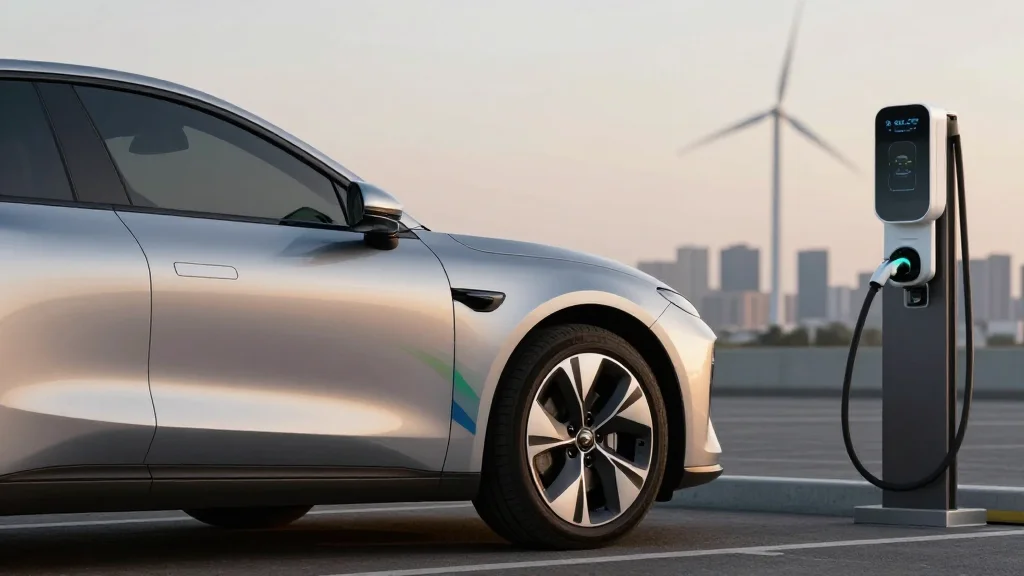
Ramaphosa Says Chinese Will Build Electric Car Charging Networks in South Africa
Why It Matters
The initiative could secure jobs and position South Africa as a regional EV hub, while the charging rollout removes a key barrier to electric‑vehicle adoption.
Key Takeaways
- •President finalising national EV programme to attract manufacturers
- •Chinese firms pledge 200‑300 fast‑charging stations by 2026
- •BYD's Flash stations charge 10%‑97% in nine minutes
- •EV sales hit record 389 units March 2026, BYD leading
- •Local EV manufacturing absent, risking job losses to Morocco
Pulse Analysis
South Africa’s government is racing to lock in an electric‑vehicle (EV) strategy as regional rivals, notably Morocco, outpace it in auto production. President Cyril Ramaphosa told Parliament that the Department of Trade, Industry and Competition is finalising a comprehensive EV programme designed to lure manufacturers and protect jobs in the manufacturing sector. By positioning the country’s relatively advanced industrial base as a launchpad for EV production, the administration hopes to reverse the recent trend of foreign carmakers relocating to North‑African hubs.
Chinese automakers are the most concrete partners in that vision. BYD, the world’s largest new‑energy vehicle maker, announced plans to install between 200 and 300 fast‑charging stations across South Africa beginning in the second quarter of 2026. Its Flash 1,500 kW chargers can replenish a battery from 10 % to 97 % in roughly nine minutes, delivering almost 1,000 km of range. Chery Group’s takeover of Nissan’s Rosslyn plant signals a willingness to localise production, although no fully electric model has yet been confirmed for domestic assembly.
The market is already responding. In March 2026, South Africa recorded a monthly sales high of 389 EV units, 316 of which were BYD’s Dolphin Surf, while Geely’s E2 became the cheapest electric car on the continent in April. This surge, driven by rising fuel prices, underscores consumer appetite but also highlights the gap between demand and local supply. Without a domestic EV manufacturing footprint, the country risks losing jobs to neighboring economies and missing out on the ancillary benefits of a home‑grown supply chain. A clear policy roadmap and incentives for assembly will be essential to translate infrastructure investments into sustainable industry growth.
Ramaphosa says Chinese will build electric car charging networks in South Africa
Comments
Want to join the conversation?
Loading comments...