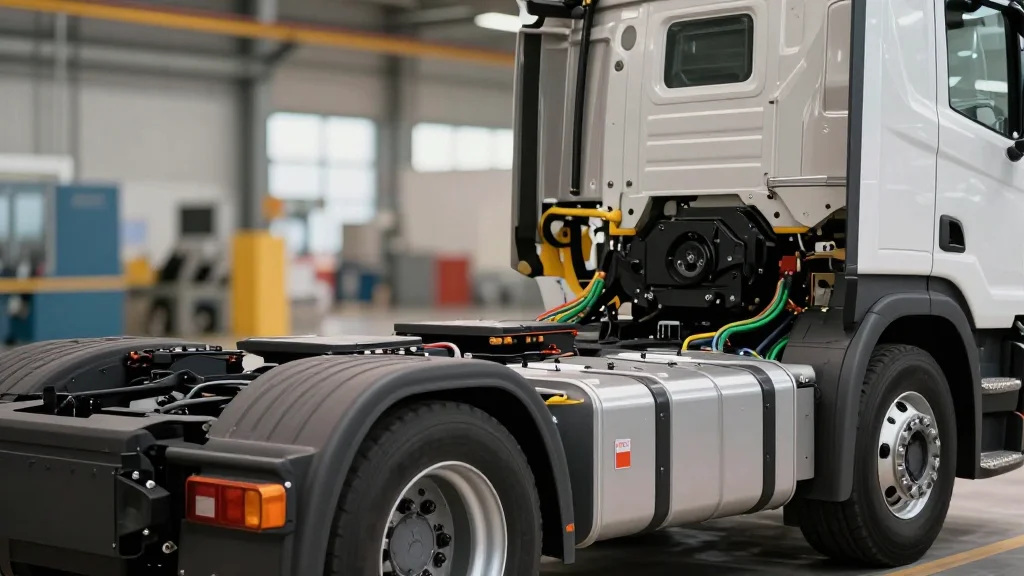
Scania Moves Cautiously to Expand Electric Truck Production Capacity in Europe
Companies Mentioned
Why It Matters
The expansion positions Scania to capture growing European demand for zero‑emission freight while mitigating risk if electric adoption slows, directly influencing its competitive standing in a market under regulatory pressure.
Key Takeaways
- •Scania invests €70 million ($76 million) to expand Angers plant.
- •New lines will produce both electric and diesel trucks.
- •Flexible capacity lets Scania adapt to shifting demand.
- •Investment aligns with EU emissions targets and infrastructure rollout.
- •Scania lobbies EU for looser emissions rules despite green push.
Pulse Analysis
Europe’s commercial‑vehicle sector is at a crossroads, with governments mandating steep cuts in transport‑related CO₂ emissions. Major OEMs are racing to scale battery‑electric trucks, but the pace of infrastructure rollout and customer confidence remains uneven. Scania’s €70 million infusion into its Angers site reflects a pragmatic approach: it bolsters electric‑truck output without abandoning the proven diesel platform, ensuring the company can meet orders across the power‑train spectrum as fleet operators weigh total‑cost‑of‑ownership calculations.
The dual‑line strategy underscores Scania’s emphasis on production flexibility. By configuring the Angers plant to switch between combustion and electric assemblies, the firm can modulate output in line with real‑time market signals, protecting against over‑capacity risk if electric uptake lags. This adaptability is especially valuable in Europe, where national subsidies, charging network density, and logistics‑operator readiness vary widely. The investment also signals confidence that the EU’s ambitious emissions targets will translate into sustained demand for zero‑emission trucks, prompting suppliers and infrastructure providers to accelerate their own rollouts.
Beyond the factory floor, Scania’s actions intersect with broader policy debates. While the company publicly champions the transition to clean transport, it has simultaneously lobbied the European Union for more lenient emissions standards and joined other truckmakers in opposing U.S. EPA rollbacks. This duality highlights the tension between long‑term sustainability goals and short‑term competitive pressures from rivals like Tesla and emerging electric‑truck startups. By expanding capacity now, Scania aims to lock in market share, influence regulatory outcomes, and demonstrate to customers that it can deliver reliable, scalable electric solutions as the industry evolves.
Scania moves cautiously to expand electric truck production capacity in Europe
Comments
Want to join the conversation?
Loading comments...