Stellantis Rules Out Alternative Powertrains for Small-Car Platform
Companies Mentioned
Why It Matters
Focusing solely on electric powertrains for small cars lets Stellantis meet strict European CO₂ targets while capitalising on incentives that make BEVs financially attractive, reshaping the competitive landscape for affordable mobility.
Key Takeaways
- •Stellantis will sell only BEVs in its new European small‑car line
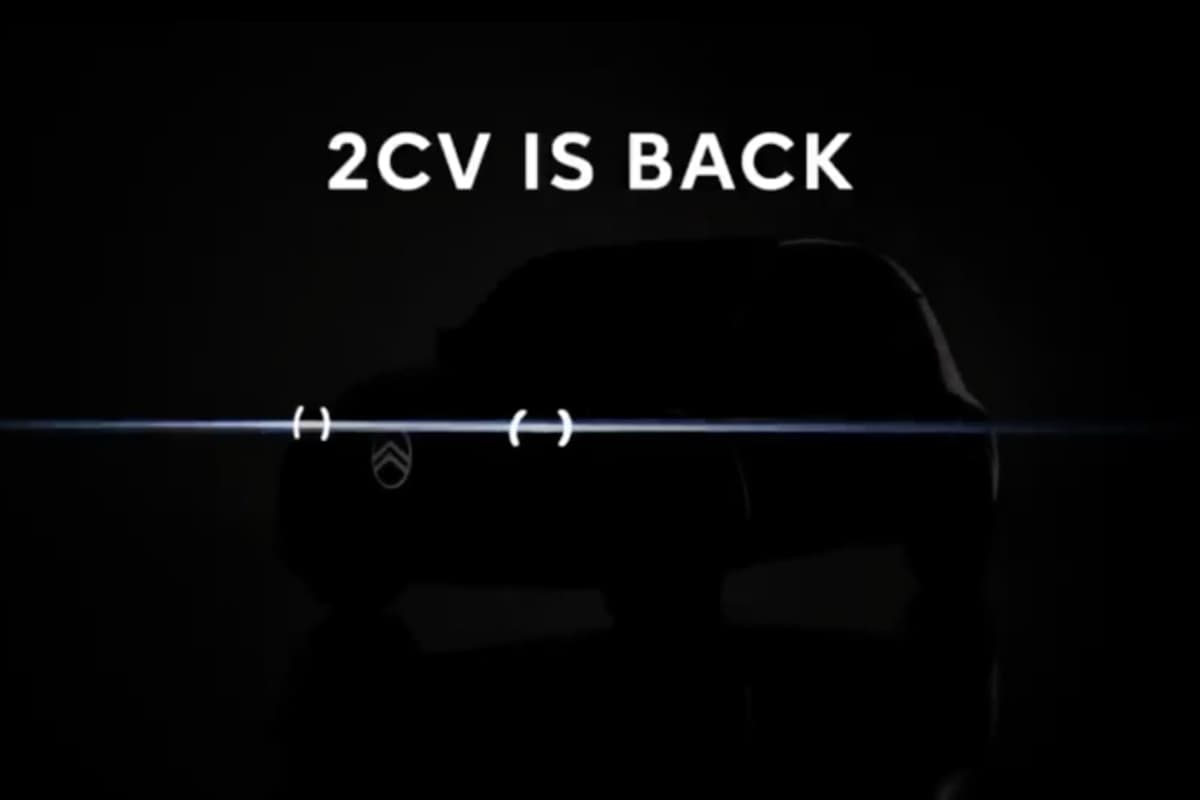
- •The E‑Car project revives Citroën’s 2CV as an electric model
- •EU’s upcoming M1E class gives 1.3 super‑credit for tiny EVs
- •ICE compliance costs push manufacturers toward electric small cars
- •Competitor VW also shifting its Polo to a fully electric version
Pulse Analysis
Stellantis’s pivot to an all‑electric small‑car portfolio marks a strategic departure from its long‑standing multi‑energy mantra. By dedicating the E‑Car project to battery‑electric powertrains, the group aims to capture a niche of European urban drivers who value low operating costs and zero‑emission credentials. The revival of the beloved Citroën 2CV as a BEV underscores Stellantis’s intent to blend heritage branding with modern sustainability, positioning the model as a flagship for affordable electric mobility.
Regulatory pressure is a primary catalyst for this shift. The European Commission’s upcoming M1E vehicle class, slated for December 2025, will apply a 1.3 weighting factor—a “super credit”—to small electric cars when calculating fleet‑wide CO₂ emissions. This incentive dramatically improves manufacturers’ compliance calculus, especially as meeting future ICE emission standards becomes prohibitively expensive for compact models. Stellantis’s decision therefore reflects a cost‑benefit analysis that favours electric development over costly internal‑combustion upgrades.
The market response is already evident. Volkswagen’s transition of the Polo to the fully electric ID.Polo signals that major OEMs view the small‑car segment as a battleground for EV adoption. Stellantis’s exclusive BEV strategy could accelerate consumer acceptance, leveraging the 2CV’s nostalgic appeal while delivering contemporary range and pricing. As European cities tighten low‑emission zones, an affordable electric offering could become a decisive factor in gaining market share, setting a template for other manufacturers navigating the continent’s evolving emissions landscape.
Stellantis rules out alternative powertrains for small-car platform
Comments
Want to join the conversation?
Loading comments...