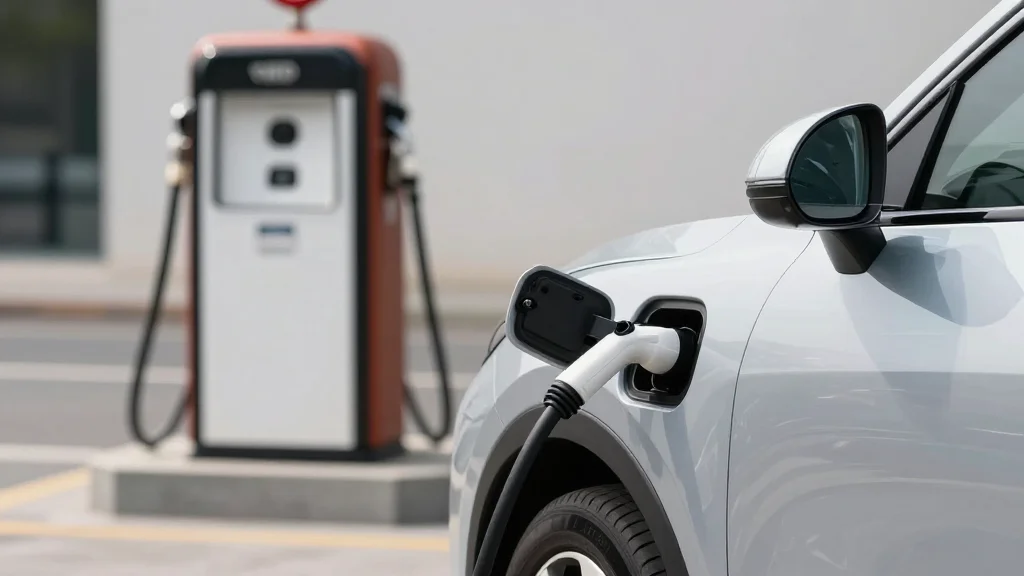
Study: Public EV Charging Now Cheaper than Petrol or Diesel for Most Drivers
Why It Matters
Lower public charging costs accelerate EV adoption, reducing reliance on volatile oil markets and supporting climate goals. The shift reshapes consumer economics and pressures policymakers to expand charging infrastructure.
Key Takeaways
- •Public EV charging undercuts petrol/diesel in 90% of use cases
- •Cost gap widened after May 2024 oil price spike
- •Savings strongest for drivers covering 30‑60 miles daily
- •Cheaper charging boosts EV market share across UK
- •Policy focus now on scaling reliable public chargers
Pulse Analysis
The latest cost comparison between public electric‑vehicle charging and conventional fuel highlights a turning point for motorists. After oil prices surged amid the Iran‑related geopolitical shock, the per‑kilometre expense of petrol and diesel eclipsed that of electricity on most public chargers. Analysts calculate that the average driver can now save between $0.05 and $0.12 per mile by opting for a public EV charge, a margin that has steadily widened since May 2024. This economic advantage is especially pronounced in urban and suburban corridors where charging stations are densely clustered.
Beyond immediate savings, the price differential reshapes the broader adoption narrative for electric mobility. Historically, range anxiety and charging costs have been cited as primary barriers; the new data suggests cost is no longer a deterrent for the majority of drivers. Fleet managers and corporate mobility programs are taking note, accelerating the transition to electric fleets to lock in lower operating expenses. Moreover, the shift pressures traditional fuel retailers to diversify services, while utilities see a surge in demand for high‑capacity public charging hubs.
Policymakers are now faced with a clear incentive to invest in a robust, equitable charging network. As the economic case for EVs strengthens, government incentives can pivot from subsidies toward infrastructure resilience, ensuring that cost advantages persist across regions and socioeconomic groups. Aligning regulatory frameworks with this market reality will not only sustain the momentum in EV uptake but also contribute to national emissions targets, positioning the UK as a leader in the green transition.
Study: Public EV charging now cheaper than petrol or diesel for most drivers
Comments
Want to join the conversation?
Loading comments...