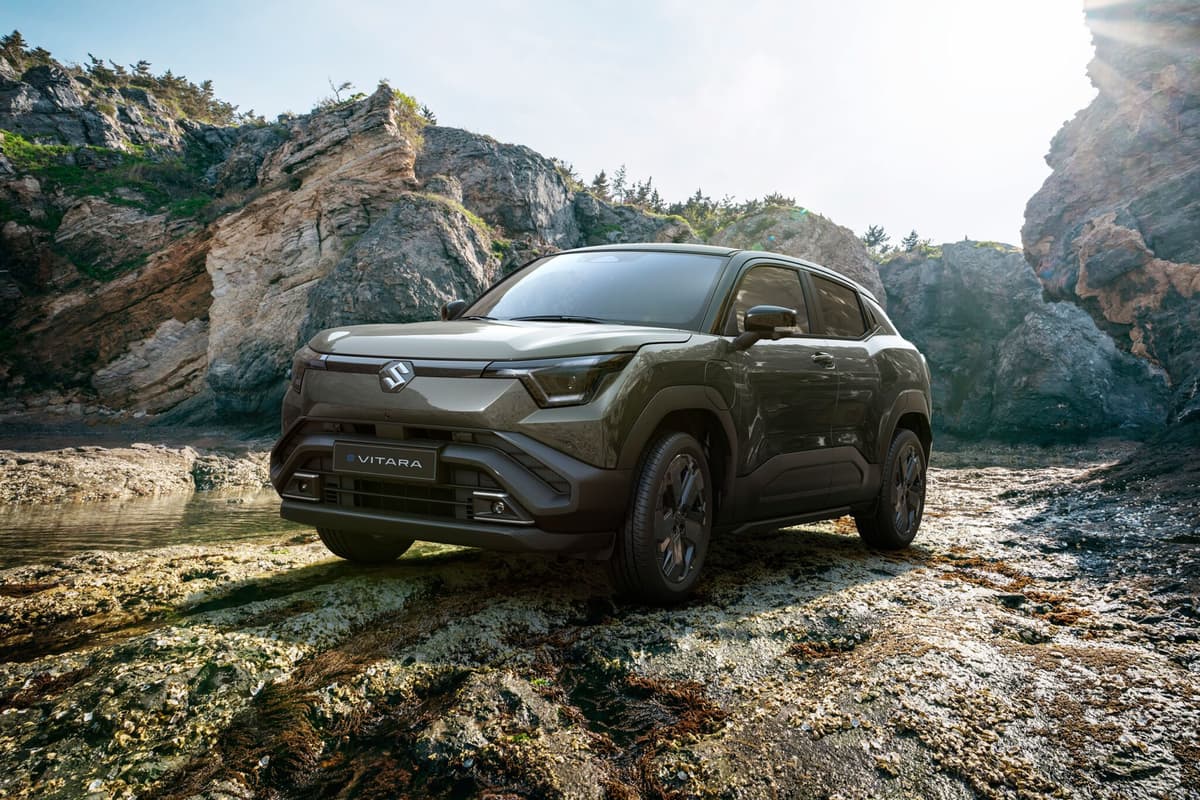
Suzuki Profile and Production Forecast to 2030
Why It Matters
The outlook signals Suzuki’s transition from a volume‑driven niche player to a broader global contender, especially as EV adoption accelerates. Investors and suppliers must adjust to higher output targets and a shifting product mix.
Key Takeaways
- •Suzuki aims to produce 5 million vehicles annually by 2030
- •Electric and hybrid models will account for 30% of output
- •North America sales projected to grow 15% over the next five years
- •Cost‑saving platform sharing with Mazda reduces per‑unit expense by $300
Pulse Analysis
Suzuki’s 2023 performance underscored the resilience of its compact‑car portfolio, particularly in India, Southeast Asia, and Latin America where affordability remains a decisive factor. By tightening its supply chain and leveraging a lean manufacturing philosophy, the automaker improved operating margins despite modest global auto sales. This operational discipline set the stage for an ambitious production expansion that seeks to capture market share from both traditional rivals and new entrants.
The 2030 production forecast pivots on electrification and modular platforms. Suzuki plans to allocate roughly 30% of its annual output to hybrid and fully electric models, a shift that aligns with tightening emissions standards across Europe and China. The company will introduce three new EV platforms, leveraging its partnership with Mazda to share components and reduce development costs. Regional targets include a 15% sales increase in North America, driven by the rollout of the all‑new Swift EV and an expanded SUV lineup.
Strategically, Suzuki’s roadmap positions it to benefit from the global surge in demand for affordable EVs while preserving its cost‑lead advantage. Platform sharing with Mazda is expected to shave about $300 off per‑unit production costs, enhancing profitability even as battery prices fluctuate. Suppliers will need to adapt to higher volumes of electric drivetrain parts, and investors should monitor how quickly Suzuki can scale its EV supply chain to meet the 2030 targets. The company’s balanced approach—combining volume growth, electrification, and cost efficiencies—could reshape its competitive standing in the midsize and subcompact segments.
Suzuki profile and production forecast to 2030
Comments
Want to join the conversation?
Loading comments...