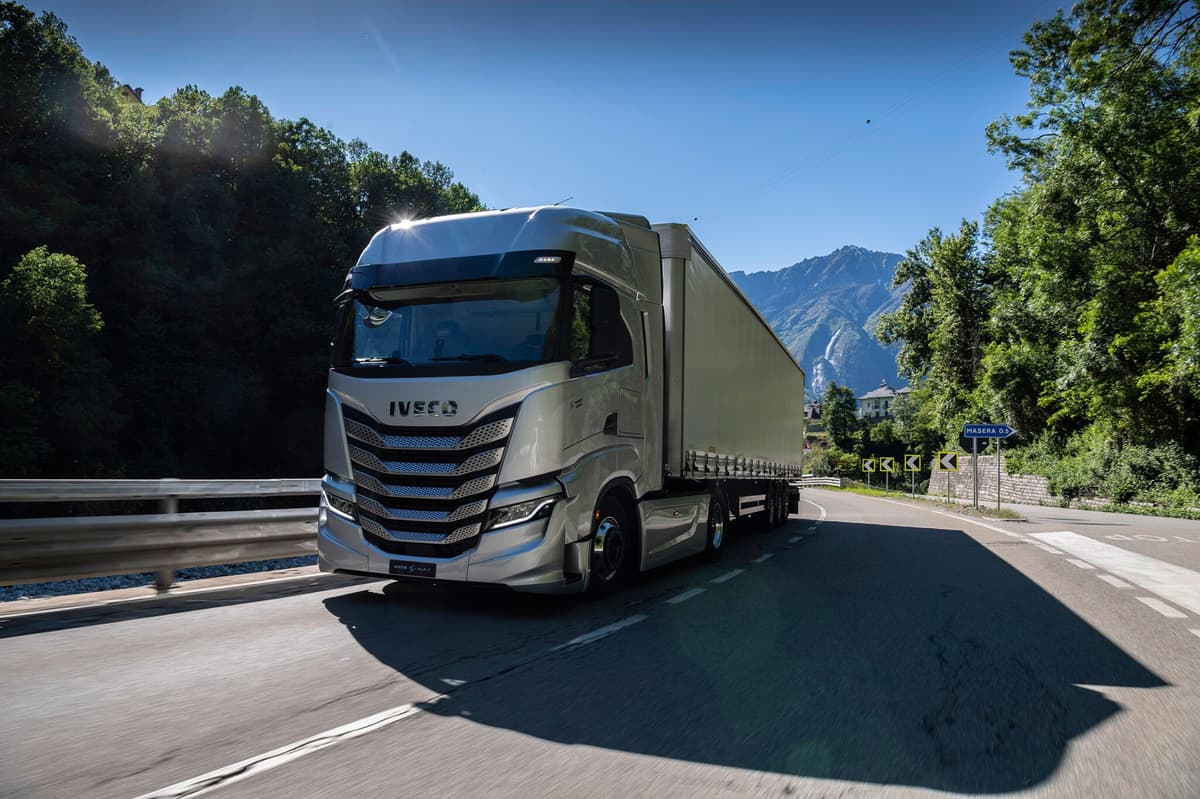
Tata & Iveco’s 2026 Outlook Dampened by Middle East Conflict
Companies Mentioned
Why It Matters
The outlook signals limited upside for Tata’s commercial‑vehicle segment, highlighting how geopolitical risk and potential monetary tightening can restrain Indian truck sales, a key revenue source for the group.
Key Takeaways
- •Tata Motors and Iveco forecast 565,500 units in 2026, 2.2% growth.
- •Middle East conflict threatens truck demand through freight slowdown and fuel costs.
- •Potential interest‑rate hikes could dampen Indian commercial vehicle sales.
- •Emissions‑standard changes may trigger pre‑buy surge in 2028, then dip 2029.
Pulse Analysis
Tata Motors Limited and its Iveco subsidiary remain pivotal players in India’s commercial‑vehicle landscape, accounting for a sizable share of truck and bus production. Automotive World’s 2026 forecast of roughly 565,500 units reflects a cautious optimism that aligns with the country’s broader industrial recovery, yet the growth rate of just over two percent signals a departure from the double‑digit expansions seen in earlier cycles. Analysts watch this metric closely because Tata’s truck volumes serve as a bellwether for freight activity, infrastructure spending, and overall economic momentum.
The lingering conflict in the Middle East adds a layer of uncertainty that could erode that modest upside. Disruptions to shipping lanes and heightened geopolitical tension tend to depress freight traffic, while soaring fuel prices raise operating costs for hauliers, squeezing profitability. Although central banks have paused rate hikes, many economies are poised to tighten monetary policy if the conflict persists, a move that historically curtails capital‑intensive purchases such as commercial trucks. For India, where loan rates heavily influence fleet expansion, even a modest increase could translate into slower order books for Tata and Iveco.
Looking ahead, the 2027‑2029 window is shaped by regulatory and market dynamics rather than pure demand growth. Anticipated tightening of emissions standards is expected to trigger a pre‑buy wave in 2028, as operators upgrade to compliant models ahead of mandatory deadlines, temporarily boosting production. However, that surge is likely to be followed by a dip in 2029 as the pulled‑forward sales exhaust. Companies that can align product portfolios with greener technologies and offer flexible financing will be better positioned to navigate these cyclical swings and preserve market share.
Tata & Iveco’s 2026 outlook dampened by Middle East conflict
Comments
Want to join the conversation?
Loading comments...