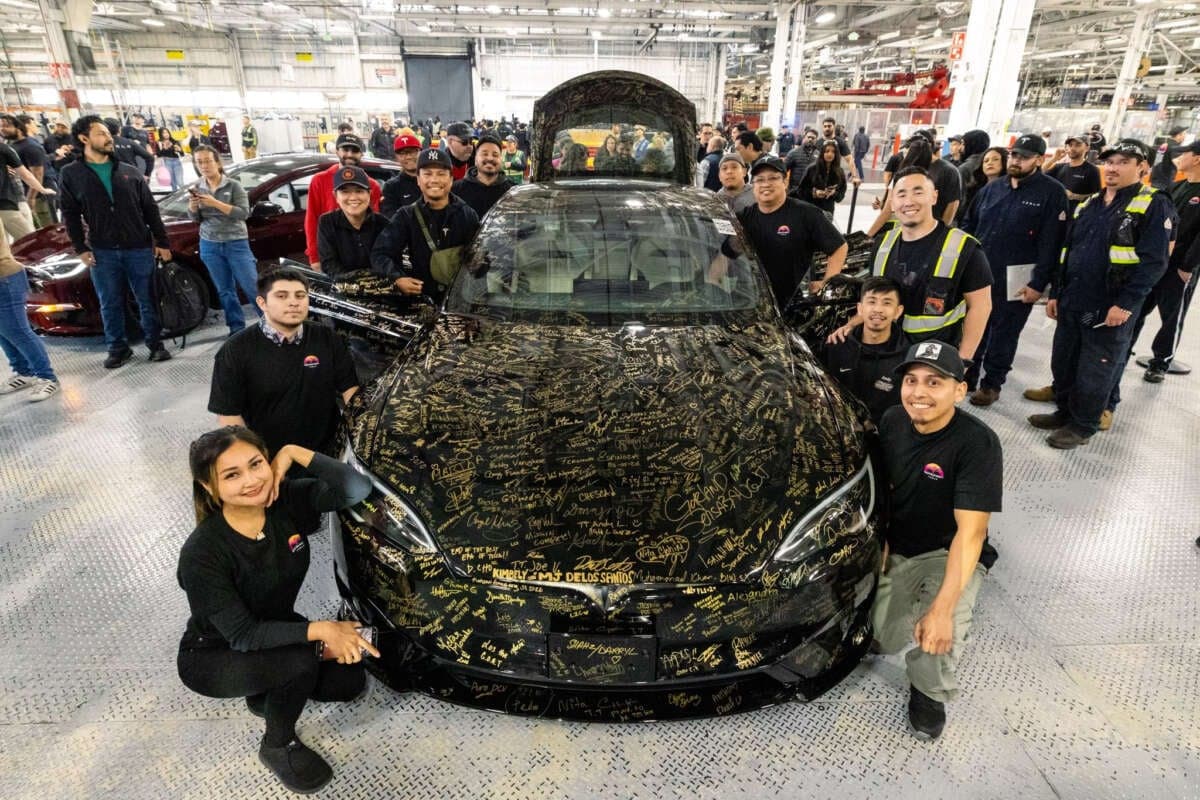
Tesla Model S and X Production Has Ended at Fremont
Why It Matters
The move underscores Tesla’s pivot to high‑volume, lower‑cost models, reshaping its manufacturing footprint and influencing the broader EV supply chain. It also signals intensified competition for premium electric sedans and SUVs as rivals vie for the vacated market space.
Key Takeaways
- •Model S production ends after 14 years at Fremont
- •Model X production ends after 11 years at Fremont
- •Final Signature Editions limited to 250 S and 100 X units
- •Declining S/X sales prompted shift toward Model 3/Y volume
- •Fremont plant capacity now free for next‑gen platforms
Pulse Analysis
The Model S and Model X have been Tesla’s flagship vehicles, showcasing the brand’s technological ambition from the first 300‑mile range sedan to the falcon‑wing‑door SUV that once set a Guinness World Record by towing a 130‑tonne Dreamliner. Their production run at Fremont not only cemented Tesla’s reputation for high‑performance electric cars but also created a loyal customer base that helped fund the company’s rapid expansion. By ending these lines, Tesla is formally closing a chapter that defined the premium EV narrative for over a decade.
Tesla’s strategic calculus now centers on the Model 3 and Model Y, which together account for the bulk of its global deliveries. The shift frees up valuable assembly slots at Fremont, allowing the automaker to accelerate rollout of next‑generation platforms, such as the anticipated “unboxed” architecture slated for launch later this decade. Suppliers tied to the S/X powertrain will need to re‑align, while the company can leverage higher economies of scale to drive down costs and improve margins. This reallocation also positions Tesla to meet growing demand in emerging markets where price sensitivity is paramount.
Industry observers view the cessation as both a warning and an opportunity. Competitors eyeing the premium segment must now fill the void left by the S and X, potentially spurring new entrants or accelerated upgrades from legacy manufacturers. Meanwhile, Tesla’s focus on volume models may deepen its lead in battery procurement and software integration, reinforcing its dominance in the mass‑market EV space. The end of the S3XY era thus reshapes competitive dynamics while highlighting the relentless pace of innovation in electric mobility.
Tesla Model S and X production has ended at Fremont
Comments
Want to join the conversation?
Loading comments...