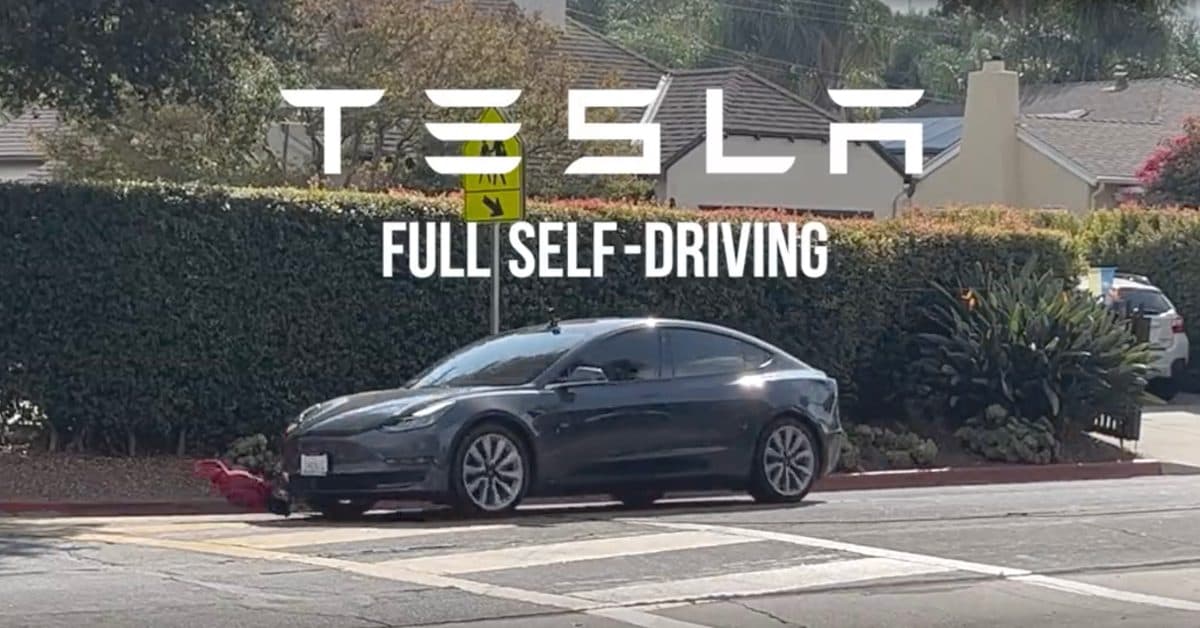
Tesla’s ‘Full Self-Driving’ Fraud Lawsuit Gets First Hearing in China — 10 Owners Seek $583K
Companies Mentioned
Why It Matters
If the court applies the triple‑damage penalty, Tesla could face billions of dollars in liability across its million‑plus HW3 vehicles in China, amplifying its global exposure to autonomous‑driving lawsuits.
Key Takeaways
- •10 Chinese Tesla owners sue for $583k over FSD fraud
- •Plaintiffs paid ¥56k (~$7.8k) each for FSD, claim misleading promises
- •Tesla renamed FSD to “Tesla Assisted Driving,” acknowledging branding issue
- •Potential triple damages could expose Tesla to billions from HW3 fleet
Pulse Analysis
The Beijing hearing marks China’s first collective action targeting Tesla’s Full Self‑Driving promises, spotlighting the country’s strict Consumer Rights Protection Law. Under the statute, plaintiffs can claim not only a full refund but also triple the amount paid as punitive damages. With ten owners already seeking ¥3.95 million, the lawsuit could set a legal benchmark for the estimated one‑million HW3‑equipped Teslas on Chinese roads, where the FSD software remains unavailable or limited.
Tesla’s recent rebranding of FSD to “Tesla Assisted Driving” underscores a strategic pivot to mitigate regulatory risk, yet it may backfire in court. By acknowledging that the original name overstated capabilities, the company inadvertently strengthens the plaintiffs’ claim of deceptive marketing. This development mirrors parallel U.S. actions, including a class‑action suit and a recent Texas judgment, suggesting a coordinated global scrutiny of Tesla’s autonomous‑driving narrative. Investors are watching how these cases could erode consumer confidence and pressure the automaker’s revenue forecasts tied to premium software sales.
Beyond Tesla, the case could reverberate across the autonomous‑vehicle sector. A ruling that enforces triple damages would raise the stakes for any OEM promising future self‑driving functionality without regulatory clearance. Regulators in other jurisdictions may adopt similar consumer‑protection frameworks, prompting manufacturers to temper marketing language and accelerate hardware upgrades. For analysts, the lawsuit adds a new variable to Tesla’s risk profile, potentially influencing stock valuations and prompting a reassessment of the long‑term viability of selling high‑priced software upgrades before full regulatory approval.
Tesla’s ‘Full Self-Driving’ fraud lawsuit gets first hearing in China — 10 owners seek $583K
Comments
Want to join the conversation?
Loading comments...